Mitte’s Dining Evolution: How the Capital’s Historic Core is Changing
Once defined by fleeting pop-ups and tourist traps, the Mitte district is shifting toward long-term culinary permanence and hyper-local sourcing.
Once defined by fleeting pop-ups and tourist traps, the Mitte district is shifting toward long-term culinary permanence and hyper-local sourcing.
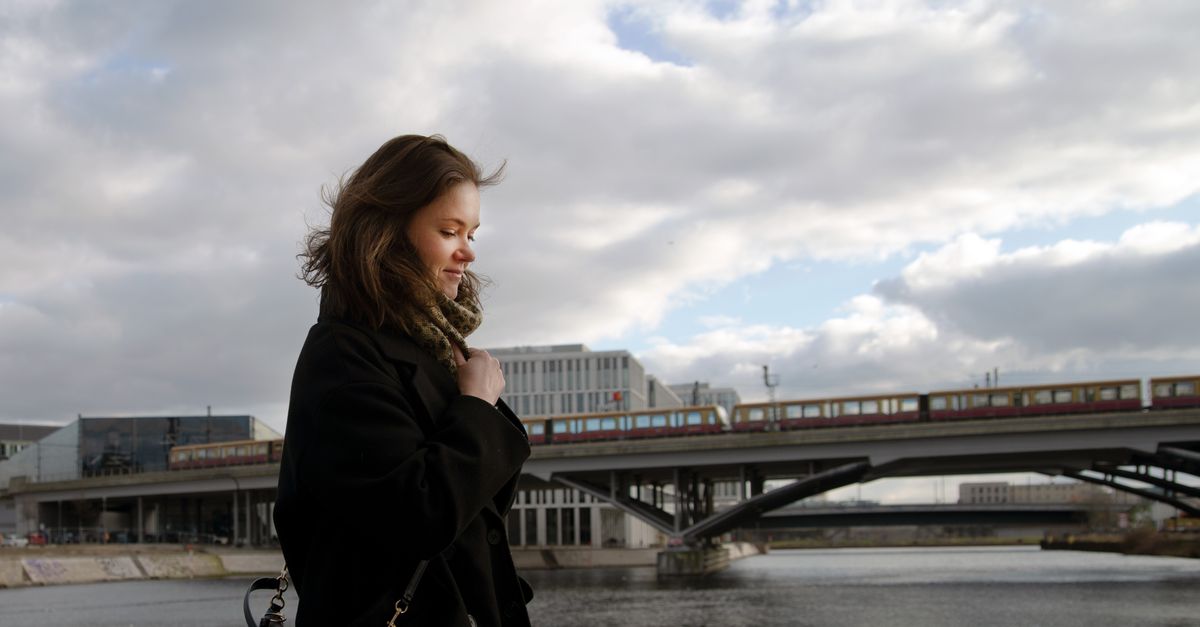
The culinary identity of Berlin’s Mitte district is undergoing a distinct structural transformation, moving away from the transient, high-turnover models of the last decade toward a more settled, ingredient-focused landscape. As the area matures, the gravitational pull for Berlin’s most ambitious kitchens has shifted from experimental minimalism to a refined focus on regional producers and stable, multi-course dining formats.
For years, Auguststraße and Torstraße served as the testing grounds for temporary ventures that sought to capture the city’s restless creative energy. Today, those same streets are anchored by institutions like Cookies Cream, which has transitioned from an underground secret to a fixture of the city's refined vegetarian scene. The focus in this part of Berlin is now less about the spectacle of the opening week and more about the cultivation of long-term relationships with Brandenburg-based farms and artisanal suppliers.
This evolution is mirrored by the presence of Nobelhart & Schmutzig on Friedrichstraße, which has long championed its 'vocally local' policy, stripping away imported luxury ingredients in favor of regional produce. By limiting its menu to items sourced exclusively from the Berlin-Brandenburg region, the restaurant illustrates the broader trend: Mitte is shedding its reliance on international culinary imports to define its own sense of place.
According to the Berlin-Brandenburg Statistics Office records updated earlier this year, the hospitality sector in the Mitte district has seen a notable increase in business longevity, with the average tenure of new restaurant registrations increasing compared to the five-year rolling average observed between 2019 and 2024. While inflation and rising energy costs have challenged the wider German economy, high-end dining in Berlin remains resilient. Industry analysis indicates that while raw material costs for premium produce rose by approximately 4 percent over the last 12 months, customer demand for tasting menus in the city’s historic center has remained stable.
The shift is also evident in the physical footprint of these venues. Older, cramped storefronts are being replaced by larger, multi-purpose spaces that integrate fermentation labs or dedicated prep areas for house-made ferments and preserves. This investment indicates that operators are planning for decades rather than seasons.
For those looking to navigate the current state of Mitte’s food scene, the most prudent approach is to shift from walk-in expectations to advanced booking. Many of the district’s most stable establishments, including those around Gendarmenmarkt, now operate primarily on reservation-only schedules to manage food waste and maintain the rigorous staffing levels required for their service standards. As the neighborhood continues to prioritize quality over volume, diners should expect to see fewer short-lived concepts and more restaurants that view themselves as permanent fixtures of the Berlin culinary archive.
How does this story make you feel?
Spread the word
About this article
Published by The Daily Berlin
Daily brief
Free, in your inbox before 7am. Weekdays.
More in lifestyle