Berlin's Integration Leaders Chart New Path as Migration Pressures Mount
City officials and community experts outline ambitious plans to strengthen cohesion as Berlin grapples with housing shortages and rapid demographic shifts.
City officials and community experts outline ambitious plans to strengthen cohesion as Berlin grapples with housing shortages and rapid demographic shifts.
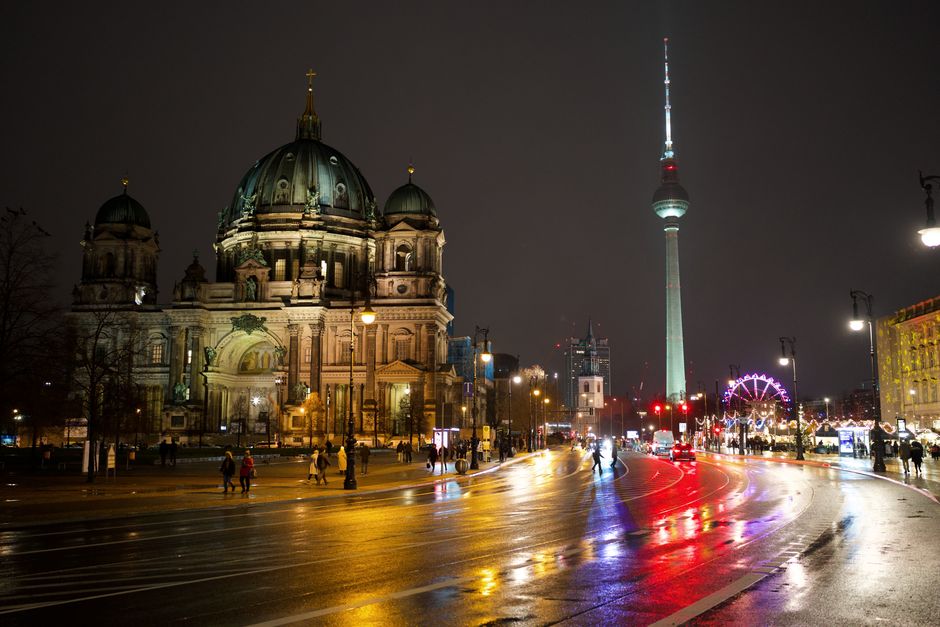
Berlin's integration landscape is being fundamentally reshaped, according to senior officials and experts gathered this week to discuss the city's evolving migration challenges and opportunities. As Germany's capital continues to absorb record numbers of arrivals—with the city hosting over 550,000 residents born outside Germany—policymakers are articulating a vision that balances rapid integration with long-term sustainability.
In a series of statements to local media, integration officers and community leaders have emphasised the need for accelerated language programmes and employment pathways. The Neukölln district, home to nearly 40% non-German residents according to recent municipal data, has become ground zero for these efforts. Officials there point to new vocational training initiatives in Kreuzberg and Wedding as models for broader citywide expansion.
"We're not simply managing arrivals anymore—we're investing in belonging," said one senior Berlin integration official in recent remarks, stressing that integration success directly correlates with economic participation and housing stability. The city's affordable housing crisis, where rental prices in Prenzlauer Berg and Friedrichshain have doubled since 2015, remains the single greatest barrier to integration, experts warn.
Dr. Klaus Klemm, a leading demographer at Berlin's Institute for Population Research, has outlined projections suggesting the city will reach 3.9 million residents by 2030, with immigrants and their descendants comprising approximately 45% of the population. His recent analysis emphasises that successful integration depends on three factors: access to quality German language instruction, employment networks that value foreign credentials, and housing security in mixed neighbourhoods.
Community organisations operating from bases in Moabit and Tempelhof-Schöneberg report encouraging signs. The Kreuzberg-based Verband der Beratungsstellen für Migranten points to measurable improvements in employment outcomes for recent arrivals, particularly among Ukrainian and Syrian populations who have secured work in Berlin's growing tech and hospitality sectors.
However, officials caution against complacency. Recent incidents at community centres have intensified scrutiny of social cohesion programmes. Berlin's Integration Commissioner has called for enhanced funding for cultural exchange initiatives and neighbourhood dialogue forums, particularly in districts experiencing rapid demographic change.
The consensus among experts is clear: Berlin's success as a global city depends on treating integration not as a social problem but as an economic and cultural imperative. As migration pressures intensify across Europe, officials argue that Berlin's inclusive approach—combining pragmatic language and job training with genuine community investment—offers a replicable model worth watching.
This article was compiled by AI from the sources linked above and screened before publishing. See our editorial standards.
How does this story make you feel?
Spread the word
About this article
Published by The Daily Berlin
Daily brief
Free, in your inbox before 7am. Weekdays.
More in News