From Industrial Past to Green Future: How Berlin Built Its Path to Sustainability
Decades of post-war reconstruction and Cold War division gave way to a vision of environmental responsibility that now defines Europe's most ambitious green city.
Decades of post-war reconstruction and Cold War division gave way to a vision of environmental responsibility that now defines Europe's most ambitious green city.
Berlin's transformation into a sustainability leader reads less like overnight revolution and more like the slow, painstaking work of a city learning from its scars. The path to today's ambitious climate targets begins not with noble intention, but with necessity and reinvention.
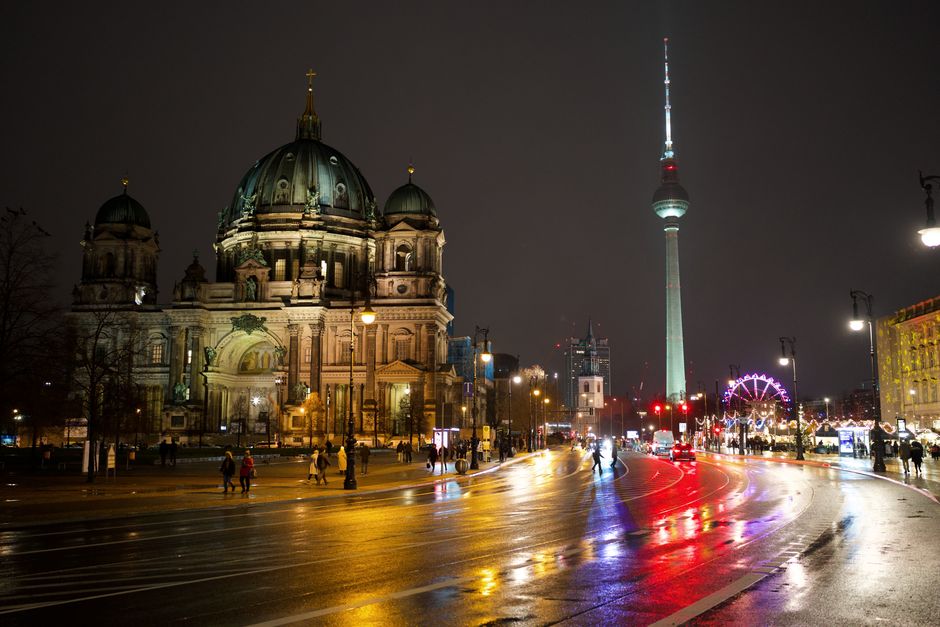
The city that once lay divided, its industrial heart fractured by concrete walls, inherited a peculiar environmental burden when reunification came in 1990. East Berlin's manufacturing districts—sprawling facilities in Köpenick and Lichtenberg—had operated under Soviet-era standards that prioritized production over protection. West Berlin, meanwhile, had transformed itself into an island of service economy and culture, but not without environmental cost. The Spree River, which winds through the city centre and past landmarks like the Reichstag, carried the accumulated toxins of a century of industry.
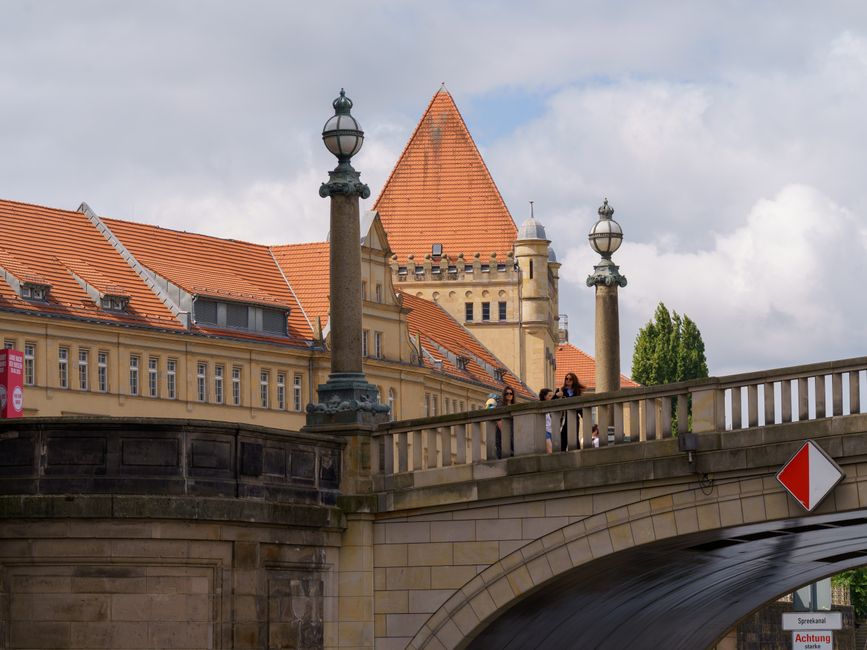
The 1990s brought reckoning. As the two halves merged, environmental audits revealed contaminated soil, polluted waterways, and aging infrastructure designed for neither efficiency nor sustainability. But crisis catalyzed change. By the early 2000s, Berlin began systematic remediation efforts. The Spree itself became a symbol of possibility—once too toxic for swimming, today it hosts thousands of bathers each summer in designated areas, a visible marker of improvement.
The real turning point came around 2015. As Germany's federal government committed to its Energiewende—the shift away from nuclear and fossil fuels—Berlin positioned itself as the testing ground. The city set targets to reduce carbon emissions by 60 percent by 2030, and to achieve climate neutrality by 2045. These weren't abstract goals. They translated into specific initiatives: the retrofitting of apartment blocks in Prenzlauer Berg and Charlottenburg to improve insulation; the expansion of the U-Bahn and S-Bahn networks; restrictions on diesel vehicles in inner districts.
What made Berlin's approach distinct was acknowledgment of history. The city didn't erase its industrial past; it repurposed it. Derelict factories became cultural spaces and creative hubs. The RAW-Gelände in Friedrichshain, once a rail repair yard, evolved into a venue hosting everything from concerts to climate forums. Even the divided city's legacy served purpose—the availability of abandoned land meant space for green initiatives without displacing communities.
Today, as Berlin hosts climate conferences and sustainability networks, its credibility rests on this foundation: a city that inherited damage, recognized it honestly, and spent three decades methodically addressing it. The work continues. But Berlin's green future wasn't imagined from scratch. It was built from ruins.
This article was compiled by AI from the sources linked above and screened before publishing. See our editorial standards.
How does this story make you feel?
Spread the word
About this article
Published by The Daily Berlin
Daily brief
Free, in your inbox before 7am. Weekdays.
More in News