How Berlin Became Germany's Sustainability Laboratory: Tracing the City's Green Evolution
From the rubble of Cold War division to a continental testing ground for climate action, Berlin's environmental ambitions reflect decades of urban reinvention.
From the rubble of Cold War division to a continental testing ground for climate action, Berlin's environmental ambitions reflect decades of urban reinvention.
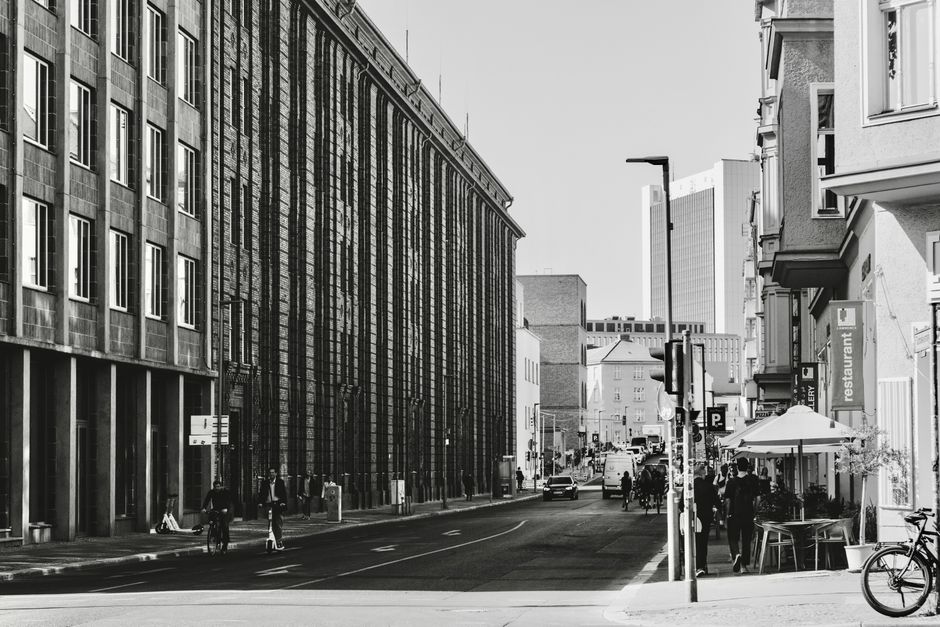
Berlin's commitment to sustainability did not emerge overnight. The city's environmental consciousness is rooted in the peculiar circumstances of its 20th-century history—and the lessons learned from decades of industrial neglect and spatial separation.
When the Berlin Wall fell in 1989, the city inherited a fractured infrastructure system. East Berlin's aging coal plants and heavy industrial facilities had left visible scars: the Spree River was biologically dead in stretches, and air quality ranked among Europe's worst. West Berlin, meanwhile, had developed pockets of environmental activism, particularly around the squatter movements of Kreuzberg and the alternative communities that flourished in the gaps left by the Wall itself. These neighbourhoods became incubators for grassroots sustainability thinking long before it entered mainstream politics.
The 1990s reunification period presented an unexpected opportunity. As the city consolidated its infrastructure, planners faced a choice: rebuild along conventional lines, or reimagine urban systems. The decision to prioritise public transport—expanding the U-Bahn and S-Bahn networks across former border zones—reflected this turning point. Today, Berlin's public transport system carries 1.4 billion passengers annually, with targets to become entirely carbon-neutral by 2040.
By the early 2000s, sustainability had become embedded in city governance. The Köpenick district's waste recycling facility became a model for resource recovery. The Tempelhofer Feld—the former airport transformed into a 386-hectare public park in 2010—exemplified how Berlin could reclaim industrial land for green space and community use. These weren't abstract environmental goals; they were tangible urban transformations that residents could experience.
The financial crisis of 2008-2009 accelerated the shift further. As investment capital dried up, Berlin's municipal government doubled down on low-cost, high-impact interventions: expanding cycling infrastructure, subsidising renewable energy cooperatives, and fostering urban agriculture projects across neighbourhoods like Friedrichshain and Charlottenburg-Wilmersdorf.
Today's ambitious targets—80 per cent emissions reduction by 2030, complete coal phase-out by 2030—emerge from this layered history. They are not simply top-down mandates, but the culmination of three decades of incremental decisions, grassroots activism, and pragmatic adaptation to political and economic constraints.
Berlin's environmental trajectory demonstrates how cities don't leap into sustainability. They arrive there through accumulated choices, crises, and the persistent work of communities that recognised, long ago, that another city was possible.
This article was compiled by AI from the sources linked above and screened before publishing. See our editorial standards.
How does this story make you feel?
Spread the word
About this article
Published by The Daily Berlin
Daily brief
Free, in your inbox before 7am. Weekdays.
More in News