Berlin's €14 Billion Transport Revolution: What the Numbers Really Tell Us
As the city unveils ambitious plans to reshape its infrastructure, fresh data reveals the true scale of investment, delays, and passenger demand driving the project forward.
As the city unveils ambitious plans to reshape its infrastructure, fresh data reveals the true scale of investment, delays, and passenger demand driving the project forward.
Berlin's transport infrastructure faces a critical juncture. New figures released by the Senate Department for Mobility, Traffic, Climate Protection and Environment reveal that the city is investing €14 billion across major rail and road projects through 2035—a figure that has nearly doubled since initial 2019 projections of €7.8 billion.
The numbers paint a picture of ambition tempered by fiscal reality. The U-Bahn expansion, particularly the long-delayed U5 line connecting Hauptbahnhof to Turmstrasse in Moabit and eventually Hellersdorf, has consumed €650 million to date. Originally scheduled for completion in 2020, the project now targets 2029—a nine-year delay that has become emblematic of Berlin's infrastructure struggles.
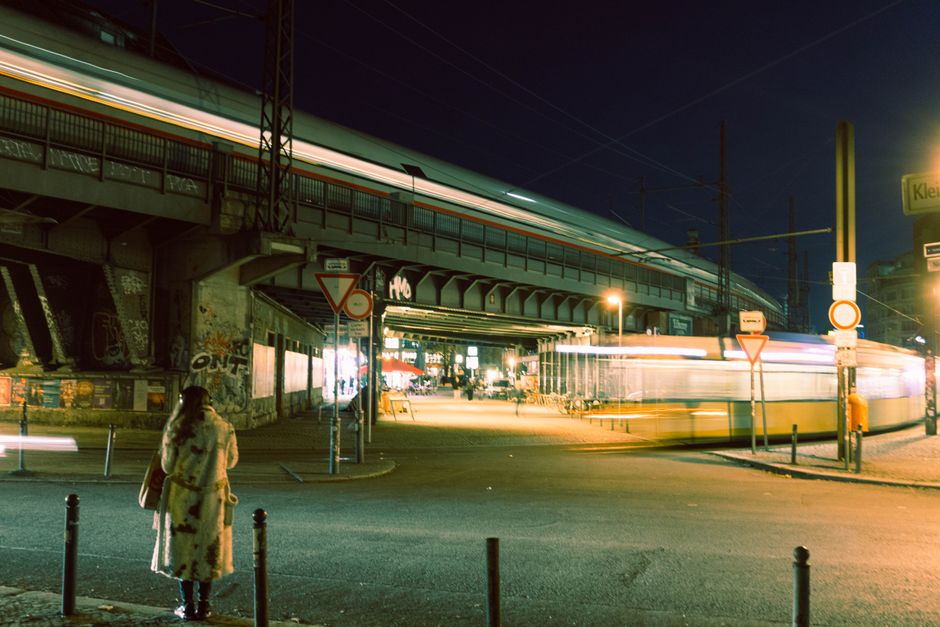
Passenger demand, however, justifies the investment. Berlin's public transport ridership reached 1.3 billion journeys in 2024, representing a 12% increase from 2019 pre-pandemic levels. The BVG reports that the Friedrichstrasse station hub now processes 360,000 passengers daily—a 34% surge since 2021—straining existing capacity across S-Bahn and U-Bahn networks.
The S-Bahn modernisation programme presents equally stark numbers. With 346 kilometres of track serving 166 stations across the metropolitan region, the system requires €8.2 billion in upgrades through 2030. Infrastructure maintenance currently consumes €340 million annually—12% of the entire BVG and S-Bahn operating budget.
Roads tell a different story. Berlin's cycling infrastructure expansion programme has allocated €127 million since 2020, creating 89 kilometres of new protected bicycle lanes. Data shows cyclist numbers have grown from 780,000 daily trips in 2019 to 1.2 million today, generating political momentum for continued investment despite controversy over parking loss in neighbourhoods like Charlottenburg and Kreuzberg.
The Lehrter Bahnhof precinct redevelopment—positioned as a transport nexus connecting north-south railway lines, the U55 extension, and future tram connections—represents a €2.3 billion commitment. Officials project 85,000 daily commuters by 2032, though critics note that similar forecasts for other major hubs have routinely fallen 20-30% short.
Environmental targets underscore urgency. Berlin aims to reduce transport-related CO2 emissions by 55% by 2030, requiring modal shift: projections suggest public transport's share of all journeys must rise from the current 28% to 38%. Achieving this demands infrastructure investment outpacing population growth, which hit 3.645 million residents in 2024.
The data suggests Berlin's infrastructure ambitions are neither reckless nor sufficient—merely reflective of a sprawling city grappling with competing pressures of growth, sustainability, and fiscal constraint.
This article was compiled by AI from the sources linked above and screened before publishing. See our editorial standards.
How does this story make you feel?
Spread the word
About this article
Published by The Daily Berlin
Daily brief
Free, in your inbox before 7am. Weekdays.
More in News