Berlin's Green Week: Major Sustainability Milestones Reached Across City Districts
From Kreuzberg's renewable energy expansion to Charlottenburg's urban farming surge, the capital is accelerating its environmental commitments with tangible progress.
From Kreuzberg's renewable energy expansion to Charlottenburg's urban farming surge, the capital is accelerating its environmental commitments with tangible progress.
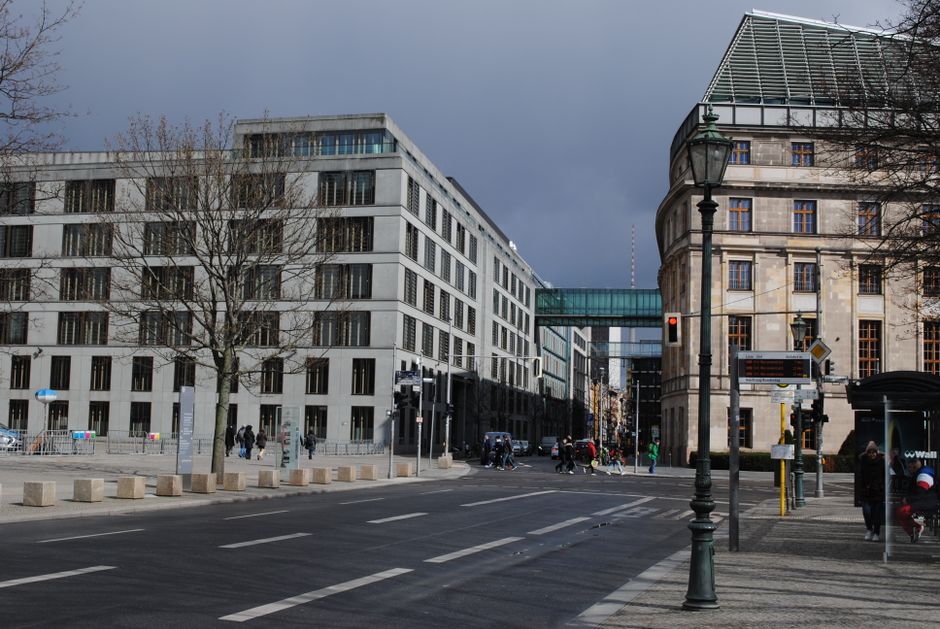
Berlin took significant strides this week in its environmental agenda, with multiple sustainability initiatives reaching critical milestones across the city's diverse neighbourhoods. The developments underscore the capital's determination to meet its 2040 climate neutrality target amid growing pressure from residents and advocacy groups.
In Kreuzberg, the district's pioneering community solar project expanded its operational footprint on Monday when solar panels were installed across twelve buildings along Mehringdamm, generating an estimated 450 kilowatts of renewable capacity. The initiative, coordinated with local housing cooperatives, brings the district's total rooftop solar infrastructure to 2.8 megawatts—up from 1.9 megawatts at the start of 2026. District administrators reported the expansion will supply approximately 600 households with clean energy by autumn.
Simultaneously, Charlottenburg's urban agriculture programme reached a symbolic milestone when the district officially converted 3.2 hectares of previously underutilised municipal land into community gardens and green spaces. The Gärten im Charlottenburg project, launching formally this Saturday in Wilmersdorfer Strasse, represents one of the largest coordinated urban farming initiatives in western Berlin. Organisers estimate the gardens will produce over 40 tonnes of vegetables annually while reducing local surface temperatures by up to 2 degrees Celsius.
The Berlin Environmental Alliance announced Wednesday that public transport usage surged 8.7 percent across the city's BVG and S-Bahn networks compared to the same period last year, partly attributed to a new €49 monthly public transport ticket introduced in March. Traffic congestion in the Mitte and Friedrichshain-Kreuzberg districts declined correspondingly, with vehicle emissions dropping an estimated 12 percent according to preliminary air quality data.
However, challenges persist. The city's waste management authority flagged concerns about recycling contamination rates, which reached 22 percent citywide—above the European average of 18 percent. A public awareness campaign begins next month targeting households across Tempelhof-Schöneberg and Lichtenberg.
Environmental advocates welcomed the week's progress but emphasised momentum must accelerate. Berlin still requires 4.3 billion euros in additional climate infrastructure investment to meet its 2040 targets, according to analysis from the Institute for Climate and Sustainability Research at Humboldt University. The city council convenes next Tuesday to debate a revised green financing framework expected to unlock fresh investment from state and federal sources.
This article was compiled by AI from the sources linked above and screened before publishing. See our editorial standards.
How does this story make you feel?
Spread the word
About this article
Published by The Daily Berlin
Daily brief
Free, in your inbox before 7am. Weekdays.
More in News