Berlin Parents and Teachers Sound Alarm Over Overcrowded Classrooms in Expanding Districts
As enrolment surges in Charlottenburg-Wilmersdorf and Tempelhof-Schöneberg, educators and families warn that infrastructure cannot keep pace with demand.
As enrolment surges in Charlottenburg-Wilmersdorf and Tempelhof-Schöneberg, educators and families warn that infrastructure cannot keep pace with demand.
The queue outside Grundschule am Plötzensee in Wedding stretched around the block on registration day last month—a stark reminder of Berlin's mounting education crisis. Parents from across the city are voicing deep frustration as schools across expanding districts report student numbers that far exceed capacity, forcing administrators to make difficult decisions about classroom sizes and resource allocation.
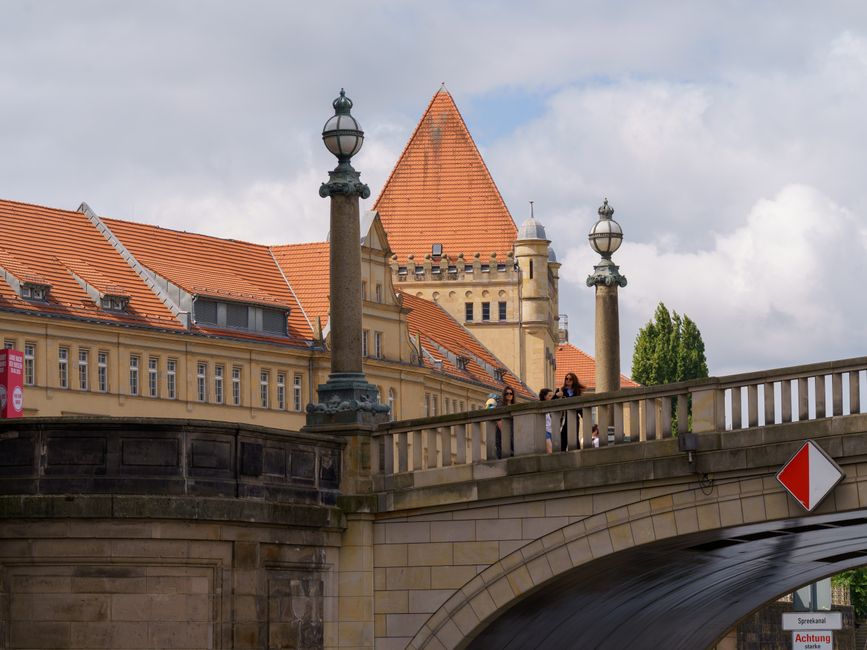
"We're being told our daughter might have to attend school on a rotating schedule," said one parent from Charlottenburg-Wilmersdorf, speaking on condition of anonymity. "In 2026, in a capital city, we shouldn't be discussing this." The neighbourhood, which has seen rapid residential development along the Spree riverside, has experienced a 23 percent jump in primary school applications over the past three years, according to figures from the Berlin Department of Education.
Teachers are equally vocal about the strain. At a recent assembly hosted by the Verband Bildung und Erziehung (VBE) at the Tempelhof Kulturhaus, educators described classrooms with 32 students, insufficient support staff, and aging infrastructure. "The buildings on Wilsnacker Straße were constructed in the 1960s," explained one educator. "We're trying to teach 21st-century curriculum in spaces that weren't designed for modern learning methods."
The pressure is particularly acute in Tempelhof-Schöneberg, where new housing developments near the former airport have transformed the district. School administrators have requested €180 million in emergency funding to expand facilities, but budgetary constraints have limited new construction to just three sites through 2028.
University-level concerns are surfacing too. Students at Technische Universität Berlin report delayed course enrollments and library access limitations, with some programmes now capping admission. The Humboldt-Universität has similarly announced capacity constraints across popular majors.
Parents are organizing. Community groups in Wilmersdorf have scheduled meetings with district councillors at the Rathaus Charlottenburg. "We're not anti-growth," said one organiser. "But the city promised infrastructure would expand alongside housing. That simply hasn't happened."
Education officials acknowledge the challenge. A spokesman for the Senate Department of Education stated that Berlin expects another 14,000 primary school students by 2030, requiring significant investment. Provisional funding announcements are expected in autumn, though community members remain skeptical about whether resources will arrive in time.
This article was compiled by AI from the sources linked above and screened before publishing. See our editorial standards.
How does this story make you feel?
Spread the word
About this article
Published by The Daily Berlin
Daily brief
Free, in your inbox before 7am. Weekdays.
More in News