Berlin's Green Shift: What City Officials and Sustainability Experts Say About 2030 Targets
As the capital pushes toward ambitious carbon-neutral goals, key stakeholders outline the challenges and opportunities reshaping urban policy.
As the capital pushes toward ambitious carbon-neutral goals, key stakeholders outline the challenges and opportunities reshaping urban policy.
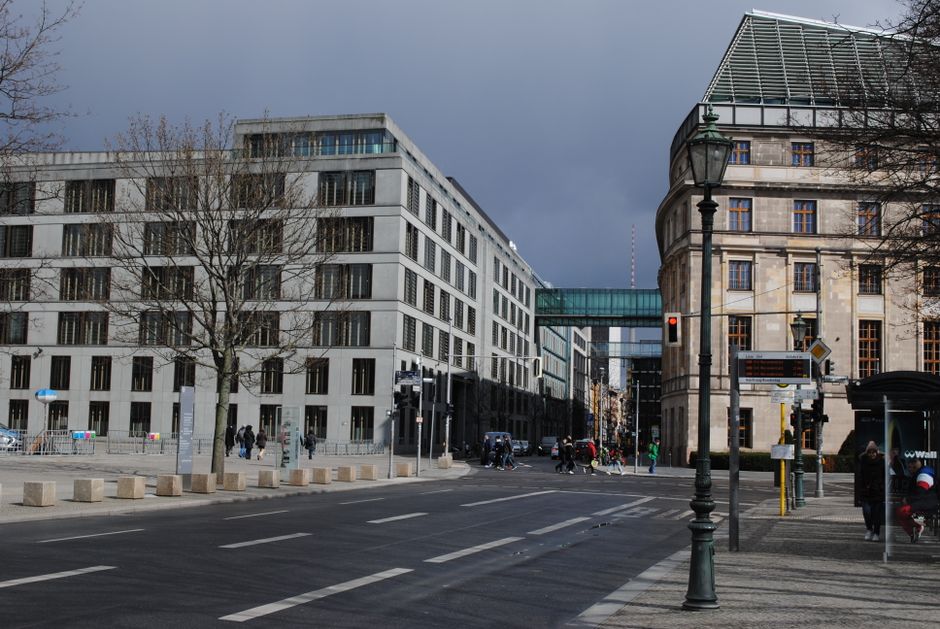
Berlin's environmental ambitions are reaching a critical juncture. With the city's 2030 carbon neutrality target now less than four years away, officials and experts are increasingly vocal about what success—and failure—might look like for Germany's largest metropolitan area.
The Senatsverwaltung für Mobilität, Verkehr, Klimaschutz und Umwelt has made clear that transport electrification remains central to the city's strategy. Officials point to the ongoing expansion of the U-Bahn network and the controversial reduction of parking spaces across neighbourhoods like Prenzlauer Berg and Kreuzberg as necessary steps. Energy transition in the building sector, which accounts for roughly 40 percent of Berlin's carbon footprint, has also become a focal point for policy discussions.
At the Technische Universität Berlin, researchers working on urban sustainability have emphasised the urgency of retrofitting the city's aging housing stock. Many of the pre-war and GDR-era apartment blocks that characterise neighbourhoods from Charlottenburg to Köpenick require significant investment to meet modern efficiency standards. Experts note that renovation rates must accelerate dramatically—currently around 1.5 percent annually—to align with 2030 ambitions.
The Berliner Energieagentur has highlighted renewable energy integration as both opportunity and challenge. Wind and solar capacity expansions across the Brandenburg region are progressing, but grid infrastructure upgrades remain costly and time-consuming. Officials have acknowledged that achieving the targeted 80 percent renewable electricity mix by 2030 requires sustained investment and public-private partnerships.
Local district mayors have raised concerns about balancing environmental targets with affordability and social equity. As green initiatives drive up costs in desirable areas, gentrification pressures intensify. The conversation at the Abgeordnetenhaus increasingly centres on whether sustainability measures inadvertently price out long-term residents.
Berlin's circular economy initiatives, particularly waste reduction and recycling programmes, have received qualified endorsement from environmental advocates, though implementation gaps remain visible across the city's 12 districts.
Despite rhetorical commitment across political parties, experts underscore that bridging the gap between 2030 targets and present-day infrastructure requires decisions that extend far beyond environmental policy—touching housing, transport, energy, and economics simultaneously. The coming months will test whether Berlin's political establishment can translate ambitious declarations into concrete, funded action.
This article was compiled by AI from the sources linked above and screened before publishing. See our editorial standards.
How does this story make you feel?
Spread the word
About this article
Published by The Daily Berlin
Daily brief
Free, in your inbox before 7am. Weekdays.
More in News