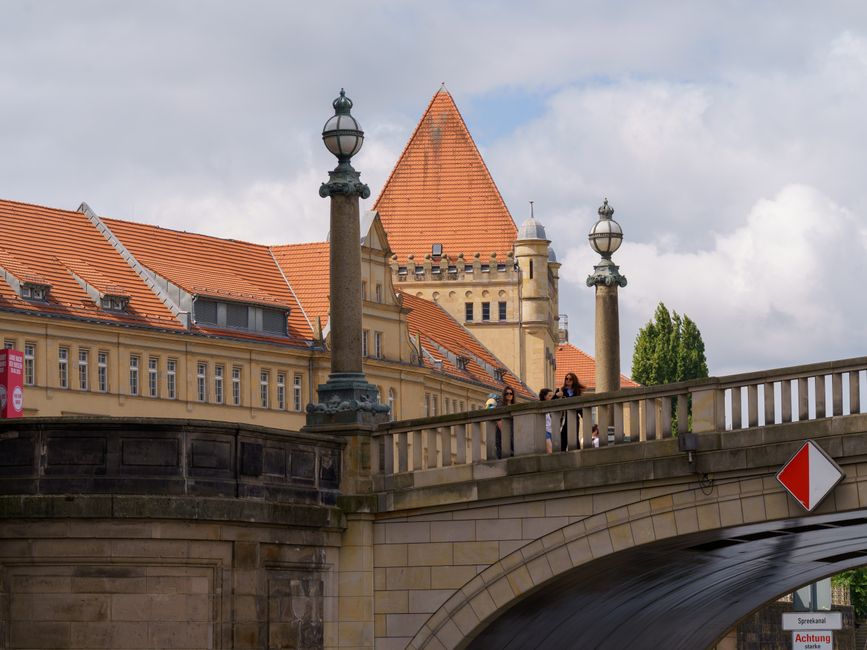
Berlin's Housing Crisis Reaches Tipping Point as Senate Blocks Spree-Ufer Development
This week's rejection of a major riverside project signals a dramatic shift in how city planners balance growth against affordability concerns.
This week's rejection of a major riverside project signals a dramatic shift in how city planners balance growth against affordability concerns.
Berlin's chronic housing shortage intensified this week following the Senate's decision to reject a 450-unit mixed-use development earmarked for Spree-Ufer in Friedrichshain-Kreuzberg, marking the most significant planning reversal since the city's 2020 affordable housing mandate.
The project, which would have replaced a vacant logistics facility with residential units and ground-floor retail, failed to meet new requirements stipulating that 40 percent of apartments must remain below market rate for 25 years. Developers argued the financial burden rendered the scheme unviable, but housing advocates celebrated the decision as a necessary stand against speculation in one of Europe's most contested real estate markets.
"This is about whether Berlin remains a city for working people," said a spokesperson for Stadtentwicklung Berlin, the municipal planning authority, in a statement released Monday. The rejection reflects mounting pressure on the Senate following a report showing average rents in Kreuzberg have surged 34 percent since 2019, while vacancy rates hover below 1 percent—among Germany's lowest.
The timing proves critical. Data released Thursday by the Senatsverwaltung für Stadtentwicklung showed Berlin needs approximately 20,000 new units annually through 2030 to meet demand, yet construction permits fell 12 percent year-on-year. Completion rates for affordable housing have similarly stalled, with only 2,847 subsidised apartments finished in 2025—roughly half the Senate's stated target.
The Spree-Ufer decision arrives as City Hall grapples with competing pressures. Gentrification has transformed neighbourhoods like Neukölln and Lichtenberg, displacing long-term residents. Simultaneously, labour shortages in healthcare, education and hospitality have intensified demands for worker housing near employment centres. The average one-bedroom apartment in Mitte now commands €1,450 monthly—roughly double prices from just five years ago.
On Thursday, opposition parties used the ruling to demand accelerated expropriation of large corporate landlords, reviving proposals mooted since 2021. Meanwhile, business associations warned that stricter requirements risk deterring investment entirely, potentially freezing construction pipelines across multiple districts.
Municipal officials signalled Friday that forthcoming planning reforms will introduce tiered affordability requirements based on neighbourhood designation—a technical adjustment with profound implications. How those tiers are drawn could determine whether Berlin's housing crisis eases or deepens further.
The coming weeks will prove decisive. The Senate convenes Tuesday to discuss revised development guidelines for 12 priority sites across Tempelhof-Schöneberg and Spandau. How city planners balance social necessity against market economics will reshape Berlin's demographic and economic future.
This article was compiled by AI from the sources linked above and screened before publishing. See our editorial standards.
How does this story make you feel?
Spread the word
About this article
Published by The Daily Berlin
Daily brief
Free, in your inbox before 7am. Weekdays.
More in News