How Kreuzberg's Community Gardens Became Berlin's Model for Urban Resilience
A decade of grassroots activism transformed a neighbourhood scarred by vacancy and neglect into a blueprint for inclusive city-making across Europe.
A decade of grassroots activism transformed a neighbourhood scarred by vacancy and neglect into a blueprint for inclusive city-making across Europe.
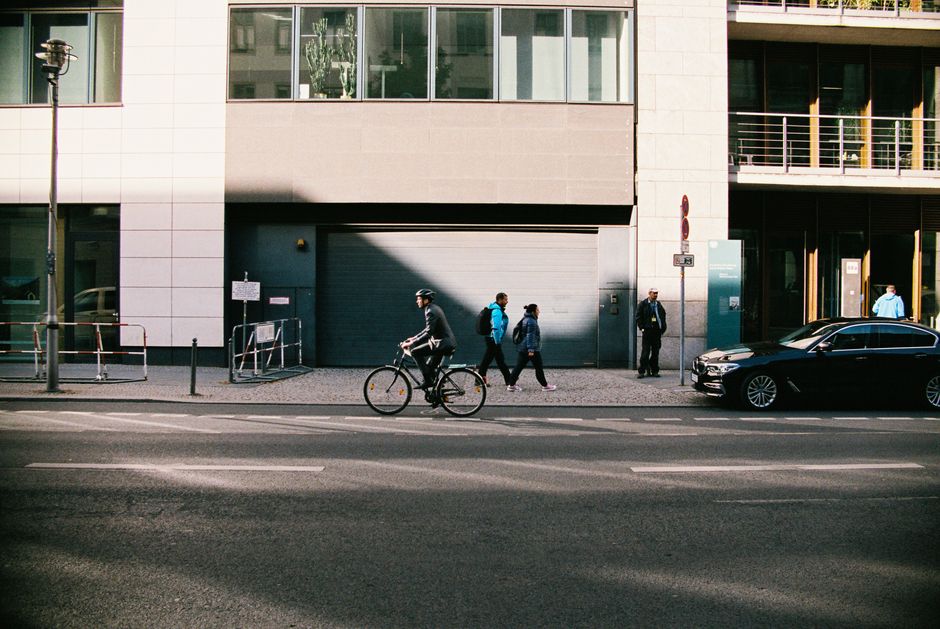
Walk along Oranienstrasse today and the transformation feels almost inevitable. Yet a decade ago, Kreuzberg's streets told a different story—one of boarded-up storefronts, speculative investment, and a community fighting displacement with whatever tools it could find.
The turning point came in 2016, when the district's Social Senate commissioned research into neighbourhood vitality. The findings were stark: 23% of ground-floor retail spaces in Kreuzberg and Neukölln sat empty, landlords held properties awaiting gentrification rather than occupation, and young families were priced out faster than new ones could settle. The community, facing genuine erasure, responded not with despair but with occupation—literal and figurative.
What began as informal vegetable patches on abandoned lots near Mehringdamm evolved into something more systematic. By 2019, seventeen community gardens had been formally registered with the Grüne Liga Berlin, a non-profit environmental organisation. Today, that number has more than doubled. The Prinzessinnengärten in Kreuzberg—initially a temporary project on a fallow lot—now operates year-round, generating income for local workers while serving as a social infrastructure hub that attracts visitors from across the city.
"The gardens weren't really about tomatoes," explains the shift that occurred in neighbourhood thinking. They became sites where Turkish immigrant families shared cultivation knowledge with young German professionals; where children encountered food systems beyond supermarkets; where landlords—observing community value—occasionally reconsidered speculative holdings.
The economic data supports this narrative. Between 2018 and 2024, average rents in central Kreuzberg rose 34%—painful, certainly. Yet commercial vacancy rates fell from 23% to 11%, suggesting that community-anchored initiatives created genuine economic conditions that made landlords prefer occupants to speculation. New cafés, repair workshops, and cultural spaces opened in previously empty buildings, often at lower rents than comparable Mitte locations.
By 2023, the model had caught international attention. Cities from Barcelona to Copenhagen studied Kreuzberg's approach. The Berlin Senate invested €2.3 million in expanding community garden infrastructure across five districts. Organisations like Nachbarschaftswerke began documenting the model systematically.
Today's Kreuzberg remains expensive and contested. But the neighbourhood's character—shaped not by developer vision but by residents who refused erasure—has become the city's most studied example of bottom-up urban resilience. How we arrived here matters: not through planning departments or investment rounds, but through people defending their right to belong.
This article was compiled by AI from the sources linked above and screened before publishing. See our editorial standards.
How does this story make you feel?
Spread the word
About this article
Published by The Daily Berlin
Daily brief
Free, in your inbox before 7am. Weekdays.
More in News