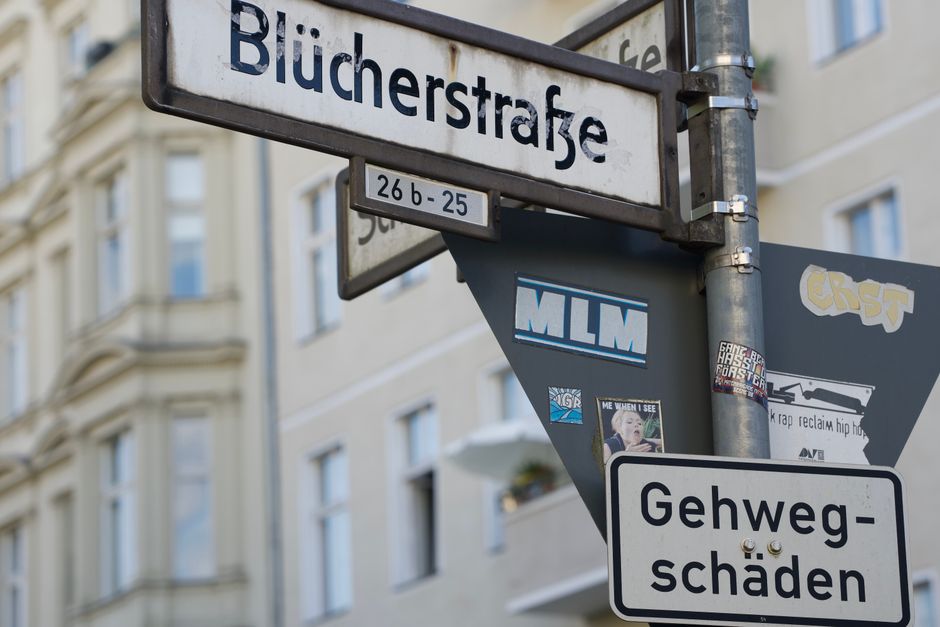
Walk along Mehringdamm on a Saturday morning and you'll find Kreuzberg's Allmende-Kontor buzzing with activity—families tending raised beds, teenagers learning to compost, elderly residents sharing heirloom seed varieties. Today, it's a fixture of Berlin's alternative culture. But rewind a decade, and this 6,000-square-metre plot was simply derelict wasteland, surrounded by a chain-link fence and decades of municipal neglect.
The transformation didn't happen overnight. In 2016, a collective of activists and gardeners began occupying the abandoned railway freight yard, determined to create something the city's planning department had repeatedly rejected: accessible green space in one of Berlin's densest, most economically pressured neighbourhoods. At the time, Kreuzberg faced a housing crisis that would only intensify—rents climbing from an average of €8 per square metre to over €15 by 2025. Green space felt like a luxury nobody could afford.
"The context was crucial," explains Maria Schulze, director of the Nabu Berlin environmental organisation, via email. "Rising displacement, gentrification anxiety, and a genuine lack of affordable food access created the conditions where people felt they had to act outside official channels." By 2018, similar initiatives had sprouted across Wedding, Friedrichshain, and Lichtenberg—at least 47 community gardens operating informally across the city, according to a 2019 Humboldt University study.
The breakthrough came in 2020. The pandemic forced city planners to reconsider urban priorities. Suddenly, those "illegal" gardens weren't nuisances—they were essential infrastructure. By 2021, Berlin's Senate formally recognised community gardening as a legitimate land use, allocating 2.3 million euros across four years to support permanent sites. Allmende-Kontor secured a renewable lease. Similar victories followed in Tempelhof-Schöneberg and Mitte.
Today, approximately 180 community gardens operate across Berlin, producing an estimated 400 tonnes of vegetables annually while serving as gathering spaces in increasingly atomised urban neighbourhoods. The Gärten der Hoffnung (Gardens of Hope) initiative in Spandau has reduced youth isolation in districts with unemployment rates above 8 percent. The Prinzessinnengarten in Kreuzberg now hosts 25,000 visitors yearly.
What emerged from desperation and grassroots frustration has become, improbably, official urban policy. The story of Berlin's community gardens reveals a crucial truth: sometimes the most transformative changes begin when neighbourhoods decide they cannot wait for institutions to act. A decade later, Kreuzberg's green spaces stand as proof.
This article was compiled by AI from the sources linked above and screened before publishing. See our editorial standards.