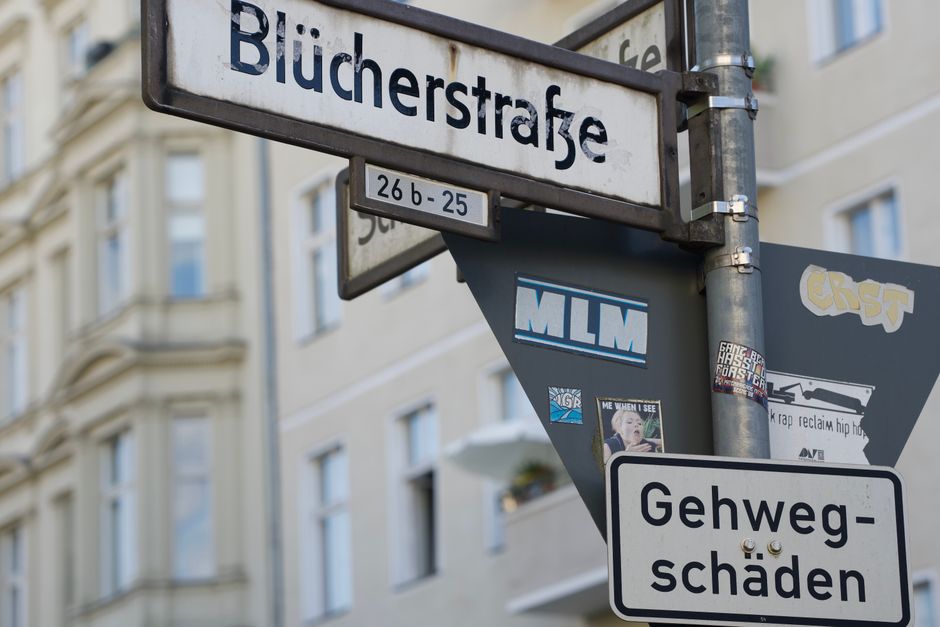
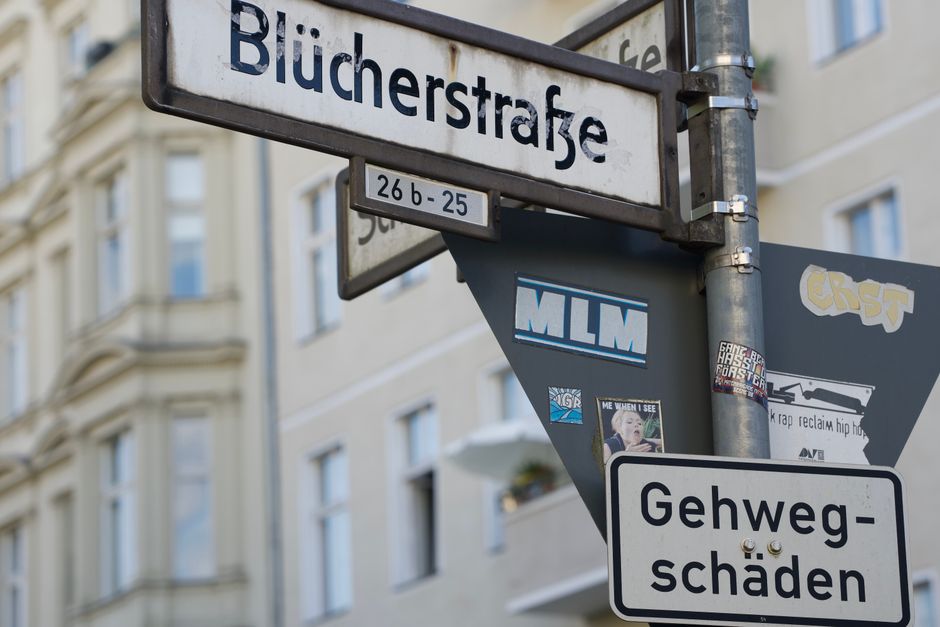
Walk down Kottbusser Tor in Kreuzberg on any summer evening and you'll see a neighbourhood caught between worlds. Turkish families tend window boxes on pre-war façades. Young professionals queue at craft breweries that charge €6 for a pilsner. Street art covers every available surface, some celebrating decades-old resistance, some fresh from last week's protests. To understand why housing remains Berlin's most explosive political issue in 2026, you need to understand how this single district became a battleground.
The transformation didn't happen overnight. In the 1970s, Kreuzberg was West Berlin's forgotten corner—physically isolated by the Wall, economically abandoned, its housing stock crumbling. Landlords had written off entire streets as worthless. It was here that the squatter movement took root, turning empty buildings into homes and political statements. By the early 1980s, thousands lived in occupied spaces, paying nothing while demanding the state recognise their right to shelter.
City authorities responded with force. The June 1987 riots around Kurfürstendamm left scars that shaped Berlin's political consciousness for generations. But they also catalysed change. Progressive councils began recognising squatters' legal claims. Community organisations formalised. By the 1990s, Kreuzberg had become a model of grassroots urban renewal—residents controlling their neighbourhoods, rents remaining stable, culture flourishing.
Then came unification and the neoliberal turn. Property speculators discovered Berlin. Investment capital flooded in. By 2010, average rents in Kreuzberg had tripled in a decade. Long-term residents—pensioners, service workers, immigrant families—were displaced. The very activists who'd fought for housing rights now fought to preserve what they'd built against a new enemy: the market itself.
Today, a one-bedroom apartment on Mehringdamm rents for €1,400 monthly. Community centres face funding cuts. Street vendors are pushed out for chain retailers. Yet the infrastructure of resistance remains: tenant unions with tens of thousands of members, occupied spaces still operating, protest networks mobilised within hours.
This isn't nostalgia. Understanding how Kreuzberg arrived at this moment—how radical movements became institutionalised, how victory created new vulnerabilities, how a neighbourhood's authenticity became commodified—explains why housing debates here involve existential questions about Berlin's soul. The current tensions aren't new conflicts. They're the latest chapter in a decades-long story about who gets to belong in this city.
This article was compiled by AI from the sources linked above and screened before publishing. See our editorial standards.