By the Numbers: What Berlin's Latest Budget Data Reveals About City Hall's Priorities
Fresh figures from the Senate's mid-year financial review expose shifting priorities—and growing pressures—across the capital's most contested policy areas.
Fresh figures from the Senate's mid-year financial review expose shifting priorities—and growing pressures—across the capital's most contested policy areas.
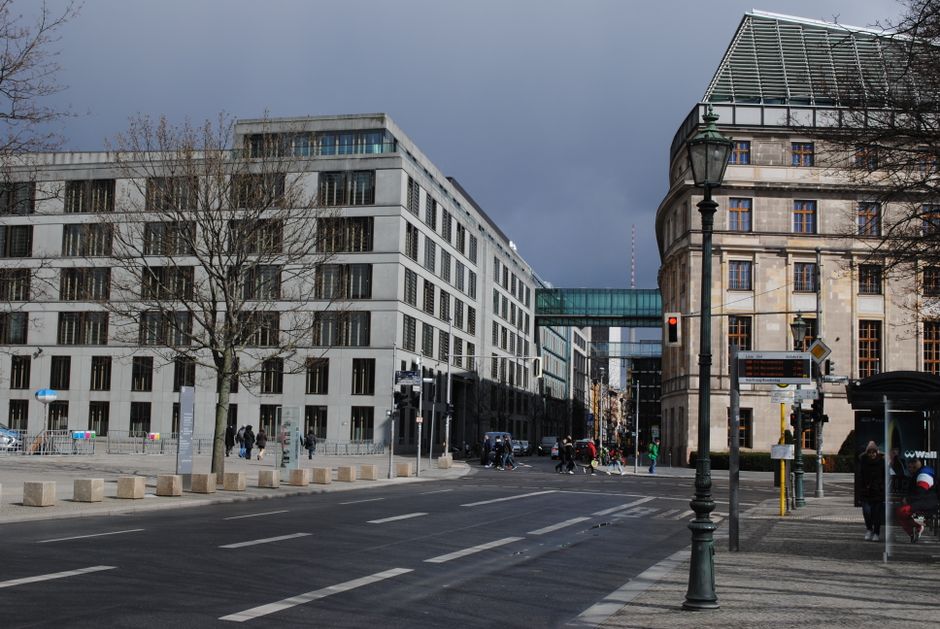
Berlin's city government released its mid-2026 budget adjustment this week, and the numbers tell a story that goes far beyond spreadsheets. Across housing, transport, and public safety, the data points reveal where Senat priorities are shifting as the city grapples with persistent challenges.
Housing remains the headline issue. The Senate's latest figures show 43,200 newly registered residents this quarter alone—a 7 per cent increase from the same period last year. Yet housing construction data paints a bleaker picture. Only 8,420 new units were completed in the first half of 2026, according to the Berlin Statistics Office, falling short of the city's 20,000-per-year target. Average rents in Prenzlauer Berg have climbed to €18.50 per square metre, while Charlottenburg saw a 12 per cent year-on-year increase. The social housing stock, meanwhile, remains stuck at 16.2 per cent of total housing—well below the Senate's stated 25 per cent goal by 2030.
Public transport tells a similar tale of ambition meeting reality. The BVG reported 4.8 million journeys weekly in June, up from 4.3 million two years ago. Yet maintenance backlogs on the U-Bahn continue to mount. Delay minutes totalled 187,000 across June—a 23 per cent increase from June 2025. The Senate allocated an additional €94 million to transport infrastructure in this week's adjustment, focusing on the U7 extension toward Spandau, though completion dates remain fluid.
Safety concerns, highlighted by recent incidents across the city, are reflected in policing budgets. The Berlin Police has increased foot patrols in Kreuzberg and Neukölln by 40 per cent since January, with staffing in these districts rising from 280 to 392 officers. Response times to emergency calls averaged 8.2 minutes city-wide in June, down slightly from 8.7 minutes last year, though disparities between districts remain significant.
Perhaps most tellingly, the Senate's expenditure on integration programmes jumped 31 per cent year-on-year, to €187 million, reflecting both new arrivals and political consensus around social cohesion investments. Education spending grew 9 per cent, while cultural funding held steady at €320 million.
As the city heads into the second half of 2026, these figures will shape debates at the Abgeordnetenhaus. Whether Berlin's administration can narrow the gap between stated targets and on-the-ground delivery remains the defining question—and the numbers suggest the work is only intensifying.
This article was compiled by AI from the sources linked above and screened before publishing. See our editorial standards.
How does this story make you feel?
Spread the word
About this article
Published by The Daily Berlin
Daily brief
Free, in your inbox before 7am. Weekdays.
More in News