Berlin's emergency services are facing a critical staffing shortage that threatens response times across the city, with new data showing concerning delays in both police and fire brigade arrivals in neighbourhoods from Kreuzberg to Lichtenberg.
According to figures from the Berlin Senate's Interior Ministry, average police response times in high-demand areas have increased by 12 minutes over the past 18 months, with some districts reporting waits exceeding 25 minutes for non-priority calls. The Berlin Fire Brigade faces similar pressures, with station closures planned in Neukölln and Wedding due to budget constraints—areas already struggling with higher crime rates and social challenges.
Community safety concerns have intensified following recent violent incidents at public facilities, forcing local residents and business owners to reassess their security measures. In Charlottenburg, shop owners along the Kantstrasse have begun installing additional CCTV systems, with costs ranging from €3,000 to €8,000 per storefront. Meanwhile, parent groups at schools in Tempelhof-Schöneberg are organising their own drop-off safety protocols, concerned about police availability during peak hours.
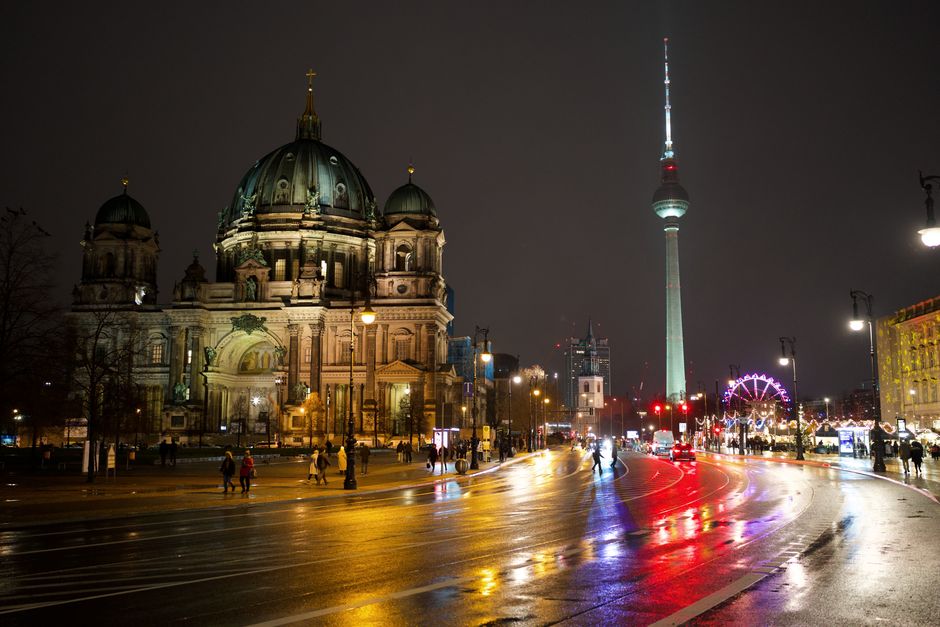
The impact extends beyond crime statistics. In Mitte, where tourist traffic and nightlife concentrate around Alexanderplatz and the Spree embankments, delayed emergency response creates cascading problems for hospitals, venues, and local businesses relying on swift assistance during medical crises or accidents. Emergency room staff at the Charité hospital report increasing cases of delayed treatment due to longer transport times from outer districts.
Berlin's budget constraints—with €180 million allocated to emergency services down from €195 million three years ago—mean difficult choices for both police and fire services. The Firefighters' Union warns that closing stations disproportionately affects vulnerable populations in socio-economically disadvantaged areas, while the Police Union argues that recruitment lags are making community policing impossible.
Local councillors in Friedrichshain-Kreuzberg have called for emergency funding allocation, pointing out that their district faces both high call volumes and limited resources. Community centres, schools, and social organisations increasingly find themselves managing situations that previously fell to emergency responders.
The question facing Berliners isn't abstract: it's about whether help arrives when needed. As the city grapples with this challenge, residents are left to wonder what public safety means when response systems are stretched to breaking point across their neighbourhoods.
This article was compiled by AI from the sources linked above and screened before publishing. See our editorial standards.