Berlin's New Build Pipeline: What Rising Auction Premiums Are Really Telling Developers
As construction approvals accelerate across the city, hammer prices at property auctions reveal a market far more selective—and cautious—than headlines suggest.
As construction approvals accelerate across the city, hammer prices at property auctions reveal a market far more selective—and cautious—than headlines suggest.
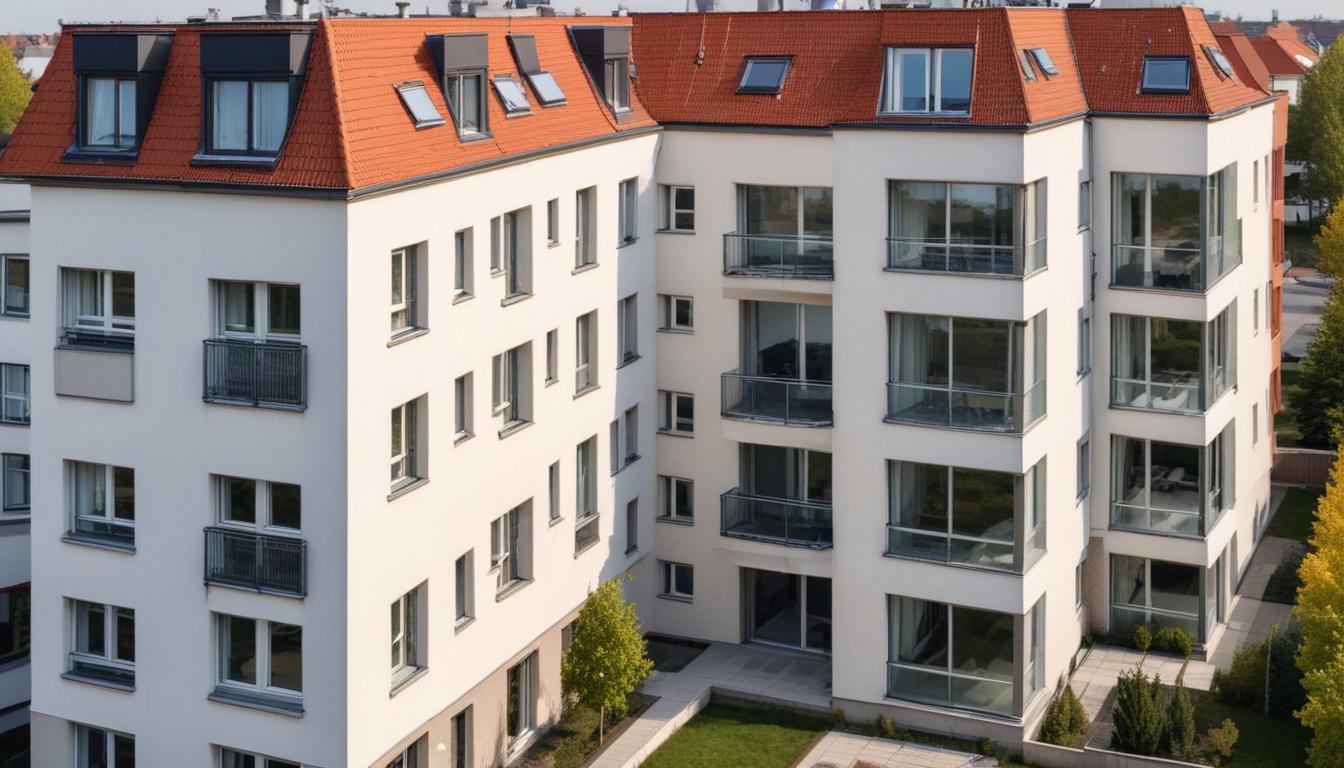
Berlin's construction sector is moving at pace. The past eighteen months have seen planning approvals surge for residential projects across Pankow, Lichtenberg, and even traditionally constrained zones like southern Friedrichshain-Kreuzberg. Yet the real signal of developer appetite isn't coming from permit offices—it's coming from the auction block.
Recent auction results tell a more nuanced story than simple approval numbers. Properties in mixed-use developments along the Spree corridor and new-build schemes in Prenzlauer Berg's remaining vacant pockets are moving, but with auction premiums hovering between 3–7 percent above estimate, significantly down from the 12–15 percent peaks of 2023. That compression matters. It suggests developers and institutional investors are pricing in genuine uncertainty about end-user demand, despite Berlin's structural housing shortage.
The data becomes sharper when disaggregated by location. New completions in Pankow—where approvals for family-oriented schemes have multiplied—are fetching baseline prices around €5,200–€5,800 per square metre at auction. That's respectable, but not exceptional. Comparable units in Mitte and parts of Prenzlauer Berg command €7,000–€8,500/sqm. The gap isn't new, but the *consistency* of that gap, even as construction ramps up citywide, suggests speculative froth has largely burned off.
What's driving the shift? Three factors converge. First, Berlin's tenant protection laws—among Europe's strictest—cap rental yields and dampen investor enthusiasm for conversion plays. Second, the European Central Bank's rate environment has tightened construction finance. Third, and most important, institutional bidders are now factoring in longer holding periods. A development that pencils out only if sold within two years no longer attracts serious capital.
The Senatsverwaltung für Stadtentwicklung has expedited approvals for projects meeting affordability thresholds, particularly those retaining rental stock. New schemes along Karl-Marx-Allee and regeneration zones near Ostkreuz are advancing. Yet auction feedback suggests that even these projects are being priced as long-term holds, not quick turns.
For city planners, this is actually healthy. Slower-moving capital discourages speculative oversupply and aligns developer incentives with genuine demand. For buyers and renters? The signals remain mixed. Approvals are climbing, but actual completions lag by 24–36 months. Price data from auctions suggests the market is pricing in modest appreciation, not the sharp gains some anticipated when the approvals wave began.
The real test arrives in 2027 and 2028, when projects approved in 2025 hit the market. Auction premiums then will reveal whether Berlin's housing emergency has genuinely eased—or whether we're still building for a market that hasn't yet materialised.
This article was compiled by AI from the sources linked above and screened before publishing. See our editorial standards.
How does this story make you feel?
Spread the word
About this article
Published by The Daily Berlin
Daily brief
Free, in your inbox before 7am. Weekdays.
More in Property