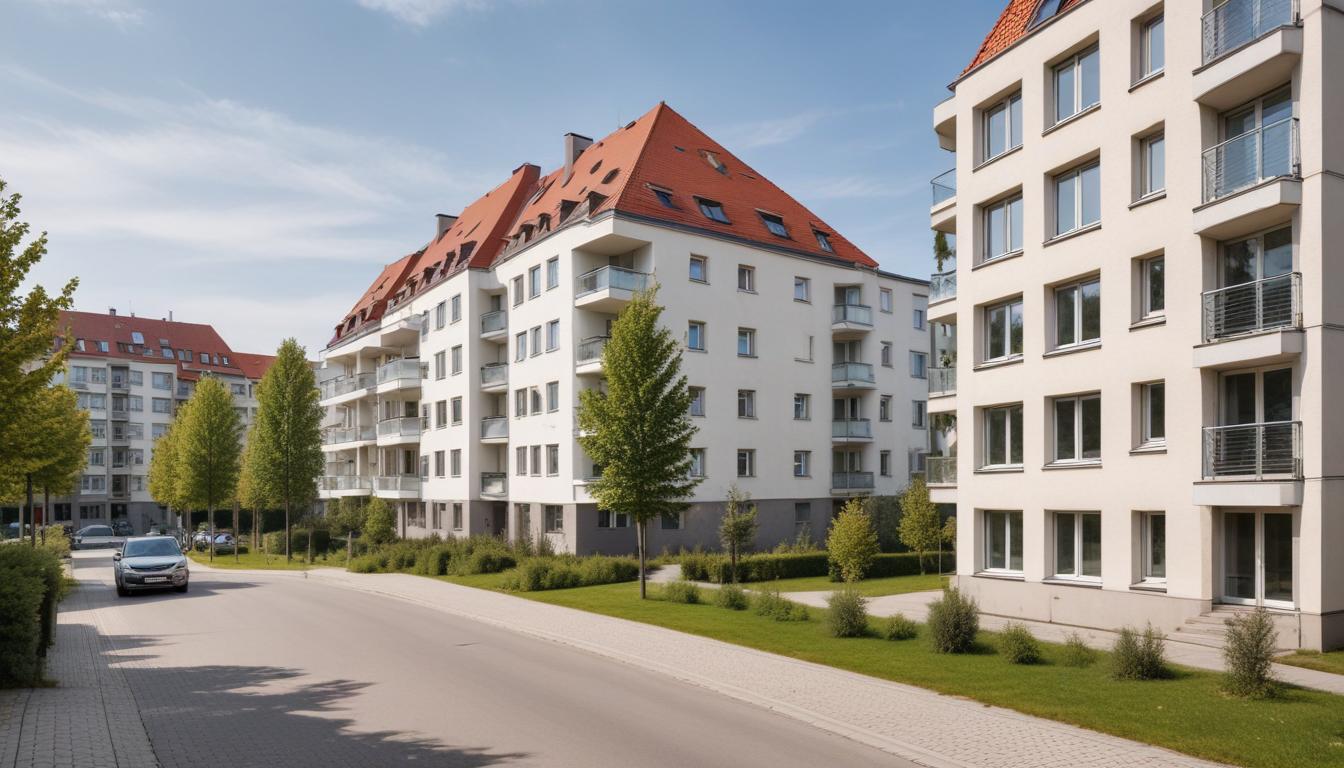
First-Time Buyers' Survival Guide: Navigating Berlin's EUR 5,500-Per-Sqm Reality
As Berlin's property market reaches new peaks, here's how newcomers can find value without compromising on neighbourhood quality.
As Berlin's property market reaches new peaks, here's how newcomers can find value without compromising on neighbourhood quality.
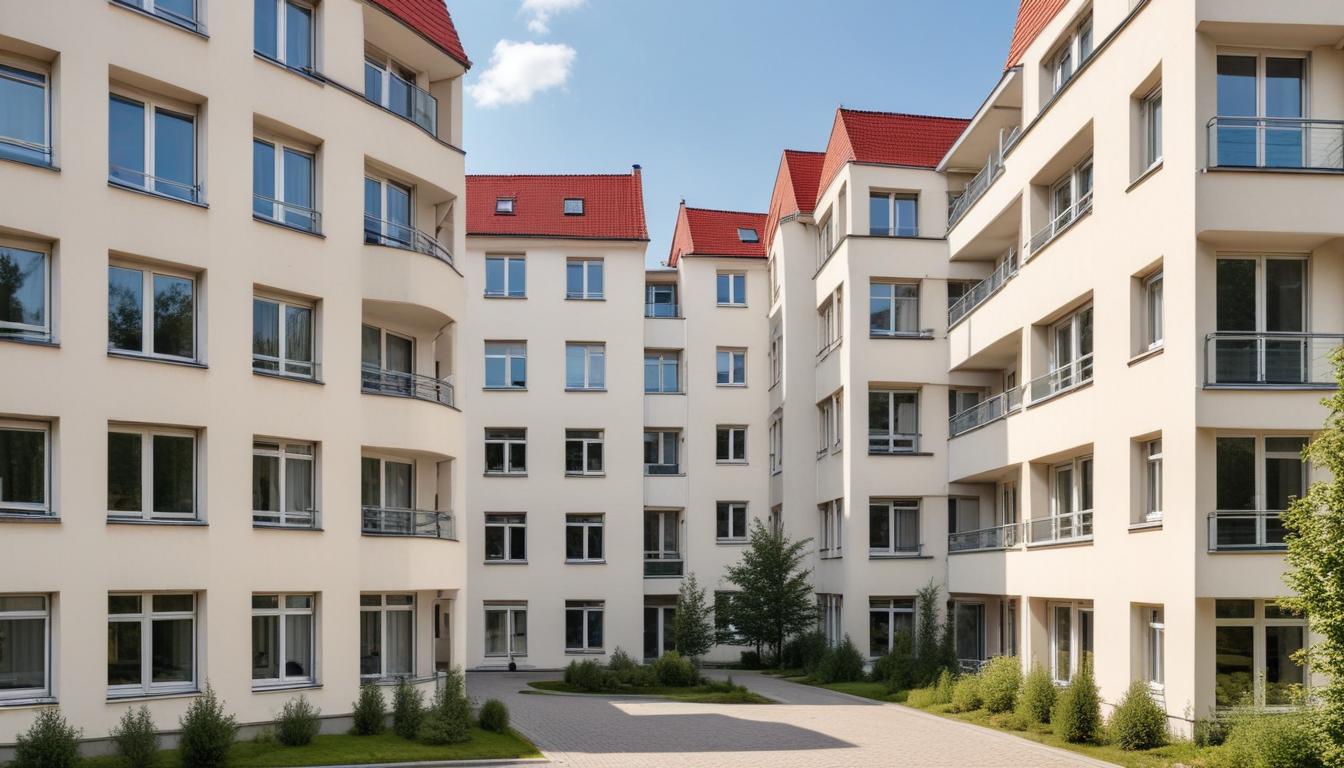
Berlin's property market has undergone a dramatic transformation over the past five years. The city-wide average of EUR 5,500 per square metre—up from EUR 3,800 just half a decade ago—has fundamentally reshaped the first-time buyer landscape. Yet unlike global property hotspots, Berlin still offers pockets of genuine opportunity for those willing to think strategically.
The premium neighbourhoods tell a familiar story. Mitte's Nikolaiviertel and Prenzlauer Berg's tree-lined streets north of Kastanienallee now command EUR 7,500 to EUR 9,000 per square metre, pricing out most first-time buyers entirely. Friedrichshain-Kreuzberg, once the poster child for affordable cool, has climbed to EUR 6,500 per sqm as young professionals flock to RAW-Gelände and the vibrant Revaler Straße corridor.
This is where strategic neighbourhoods become crucial. Pankow, particularly around Kollwitzplatz and the quieter reaches towards Stadtrandsiedlung Malchow, remains relatively accessible at EUR 4,800 to EUR 5,500 per sqm while offering excellent transport links via the U2. Köpenick and Lichtenberg, further east, hover around EUR 3,800 to EUR 4,500—meaningful savings without sacrificing urban amenities. Neukölln's southern sections, beyond the gentrified Kottbusser Tor triangle, similarly offer value for buyers willing to trade proximity to Kreuzberg's nightlife for actual home ownership.
First-time buyers should prioritise understanding Berlin's unusually strong tenant protections, which affect property investment calculations. Rent-controlled units and Berlin's historic rent cap regulations mean yields are tighter than comparable German cities. This actually favours owner-occupiers over investors—a rare advantage.
The financing reality is equally important. German banks typically require 20-25% down payment, and mortgage rates have stabilised around 3.5-4.2% for ten-year fixes. The Berliner Sparkasse and other local lenders often show flexibility with first-time buyers establishing roots in expanding neighbourhoods, though paperwork requirements remain rigorous.
Consider properties requiring modest renovation in consolidating areas like Tempelhof-Schöneberg or Charlottenburg-Wilmersdorf's outer reaches. These often trade at EUR 4,200-4,800 per sqm and appreciate steadily as infrastructure improves. The upcoming completion of transport extensions towards Adlershof research campus, for instance, is already driving interest in adjacent Köpenick properties.
The golden rule remains: Berlin rewards patience and geographical flexibility far more than most capital cities. First-time buyers fixated on already-premium neighbourhoods will struggle. Those willing to embrace emerging areas—and Berlin still has genuine emerging areas—can still find homes rather than merely investment properties.
This article was compiled by AI from the sources linked above and screened before publishing. See our editorial standards.
How does this story make you feel?
Spread the word
About this article
Published by The Daily Berlin
Daily brief
Free, in your inbox before 7am. Weekdays.
More in Property