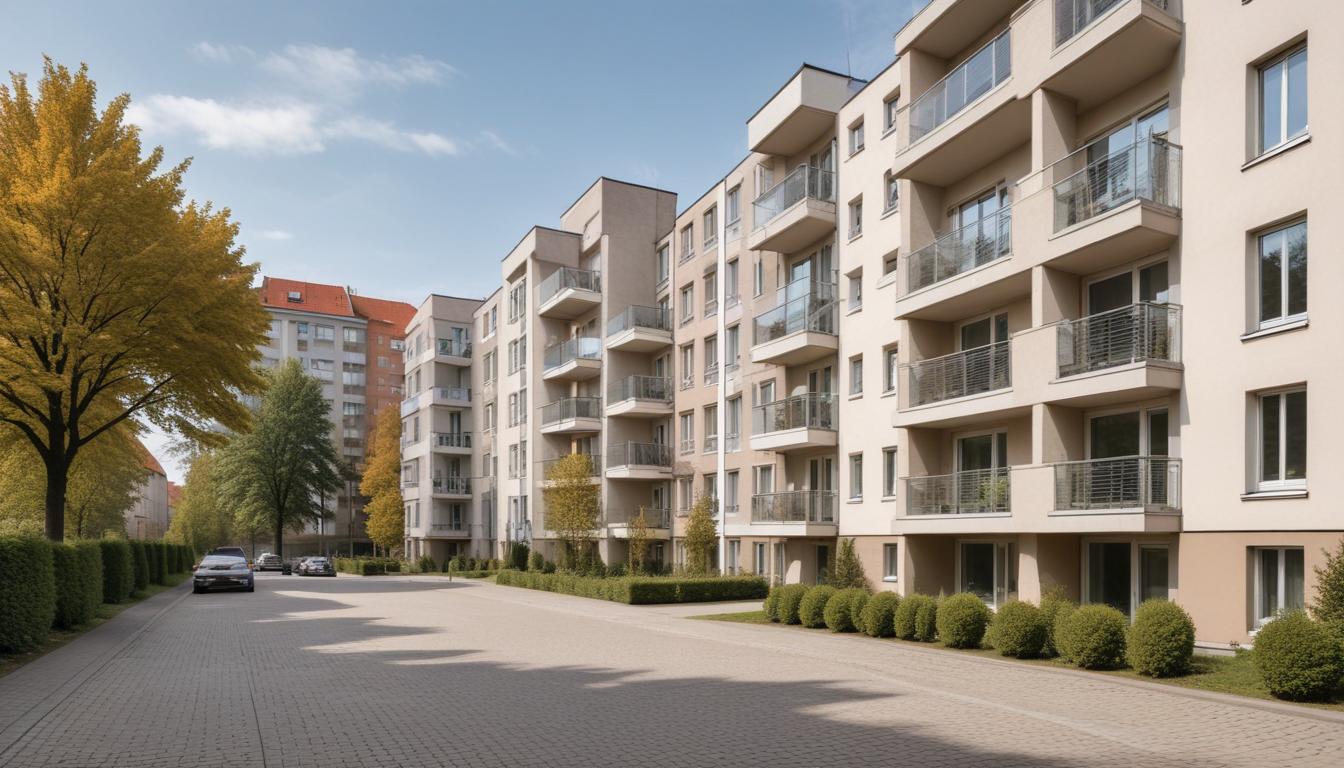
Berlin's property market is entering a decisive phase. With the city averaging €5,500 per square metre and construction approvals accelerating across outer districts, the window for strategic purchasing is narrowing faster than many buyers realise.
The shift is unmistakable. While Mitte and Prenzlauer Berg remain the prestige addresses—commanding €7,000–€8,500/sqm for new builds—Pankow has emerged as the genuine bellwether. Three major residential projects received planning permission in the past eight months along Breite Strasse and near Kollwitzplatz's periphery, introducing 450+ units and signalling developer confidence in the district's trajectory. Prices there have climbed 18 per cent since 2024, now hovering around €6,200/sqm for contemporary stock.
Friedrichshain-Kreuzberg tells a parallel story. The RAW-Gelände continued its transformation, while a cluster of mid-rise developments near the Spree waterfront has attracted institutional buyers. Competition here is fiercer, with prices for new apartments now matching central Charlottenburg levels.
What's driving the acceleration? Three forces converge. First, Berlin's tenant protection laws—among Europe's strictest—have finally stabilised investor sentiment. Developers know regulatory risk has plateaued, making long-term projects bankable again. Second, the city's young demographic and tech sector growth continue to underpin demand. Third, and most crucial, completion timelines. Projects approved in 2025 won't deliver until 2027–2028, creating a supply gap that prices are already anticipating.
For buyers, the implications are stark. Purchasing off-plan in approved developments offers two tactical advantages: locking prices before market correction and securing location premium before final completion. A two-bedroom in a mid-stage Pankow project today costs roughly €480,000–€520,000; similar units delivered in 2028 will likely exceed €600,000, based on historical absorption patterns and planned S-Bahn infrastructure upgrades.
The cautionary note: not all approvals equal equal potential. Proximity to transport infrastructure—particularly the U5 extension and Pankow station improvements—matters enormously. A new build three minutes from Ostkreuz commands 12–15 per cent premium over identical stock 800 metres away.
Buyer sentiment has shifted measurably. Estate agents report serious enquiries rising 34 per cent year-on-year in outer districts, while Mitte showflats attract browsers, not commitments. The smart money is already repositioning.
For those watching Berlin's market, the message is clear: the era of discovery pricing in emerging neighbourhoods is closing. The next eighteen months will define whether prospective owners participate in appreciation or observe from the sidelines.
This article was compiled by AI from the sources linked above and screened before publishing. See our editorial standards.