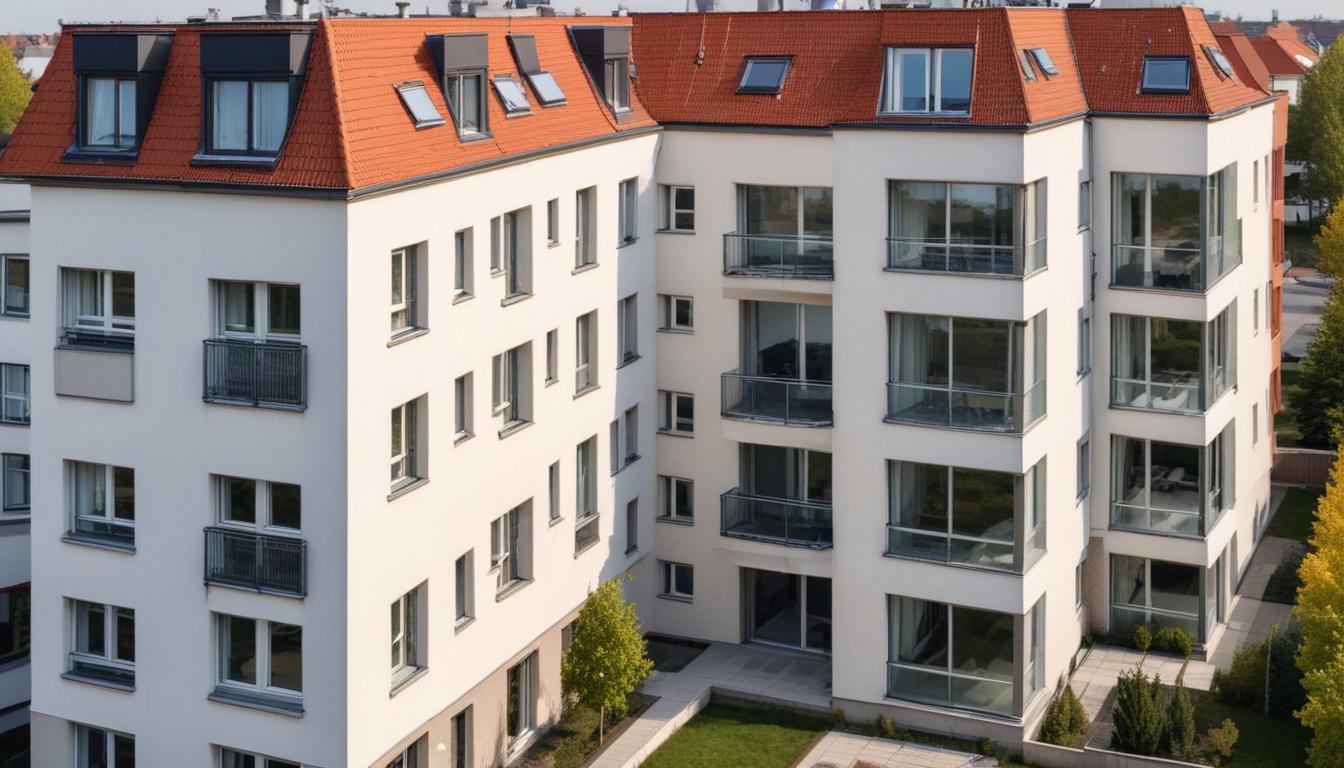
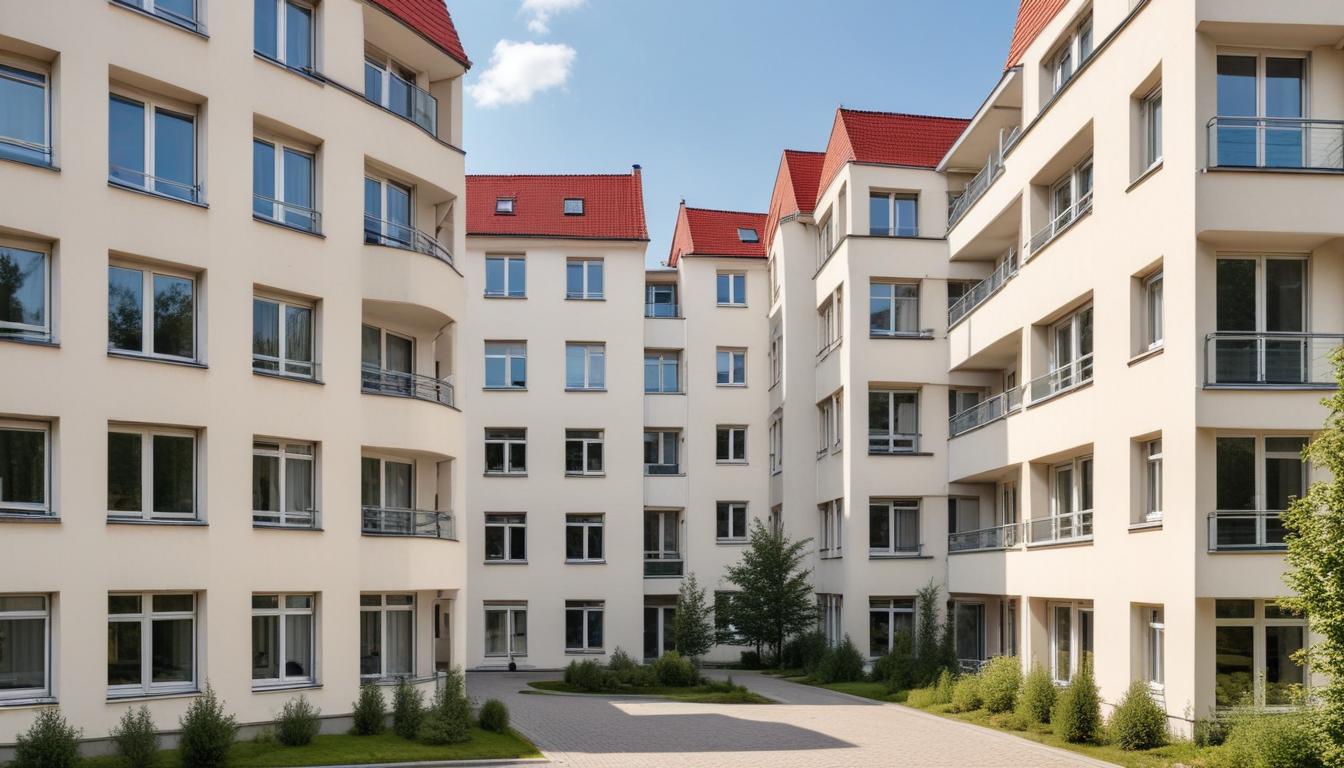
Berlin's property market has transformed dramatically over the past decade. What once offered affordable entry points for first-time buyers has become increasingly competitive, particularly in established neighbourhoods like Mitte and Prenzlauer Berg where prices frequently exceed €8,000 per square metre. Yet opportunities remain for savvy buyers willing to look beyond the headline districts.
The first critical step is understanding what financial support exists. The KfW Development Bank offers subsidised loans and grants specifically designed for owner-occupiers purchasing their first home. The KfW 124 programme, for instance, provides preferential interest rates for energy-efficient properties—increasingly important as Berlin's building stock modernises. First-time buyers should contact KfW directly or work with a broker who understands these schemes; many banks inadvertently steer clients toward conventional mortgages without exploring these options.
Berlin's strong tenant protections create an unusual dynamic: purchasing often makes financial sense compared to renting in neighbourhoods like Friedrichshain-Kreuzberg or Pankow, where rental yields remain compressed. A modest two-bedroom apartment in Pankow might rent for €900 monthly but cost €450,000 to purchase—illustrating why ownership becomes attractive for long-term residents.
Location strategy matters enormously. While Mitte commands premium prices, areas along the U-Bahn corridor—particularly around Warschauer Straße or toward Lichtenberg—offer better value with strong growth potential. The Bauamt Berlin and local housing associations like Gewobag occasionally release first-time buyer programmes worth investigating.
Financing typically requires 15-20% deposit in today's market, though some KfW products allow lower deposits with mortgage insurance. Banks increasingly scrutinise income stability and debt-to-income ratios more carefully than in previous cycles. Have your Schufa credit report checked before approaching lenders; errors are disturbingly common and can tank applications.
Professional advice isn't luxury—it's necessity. A qualified Immobilienmakler familiar with first-time buyer constraints and local market dynamics can prevent expensive mistakes. Many charge 3-3.5% commission split between buyer and seller, though negotiation is standard practice.
Finally, budget conservatively. Transaction costs—notary fees, land registration, property tax (approximately 6% total)—often surprise buyers. A €400,000 purchase realistically costs €424,000 in associated expenses.
Berlin remains achievable for first-time buyers, but only with proper research, realistic expectations, and professional guidance navigating both financing options and this decidedly seller-favourable market.
This article was compiled by AI from the sources linked above and screened before publishing. See our editorial standards.