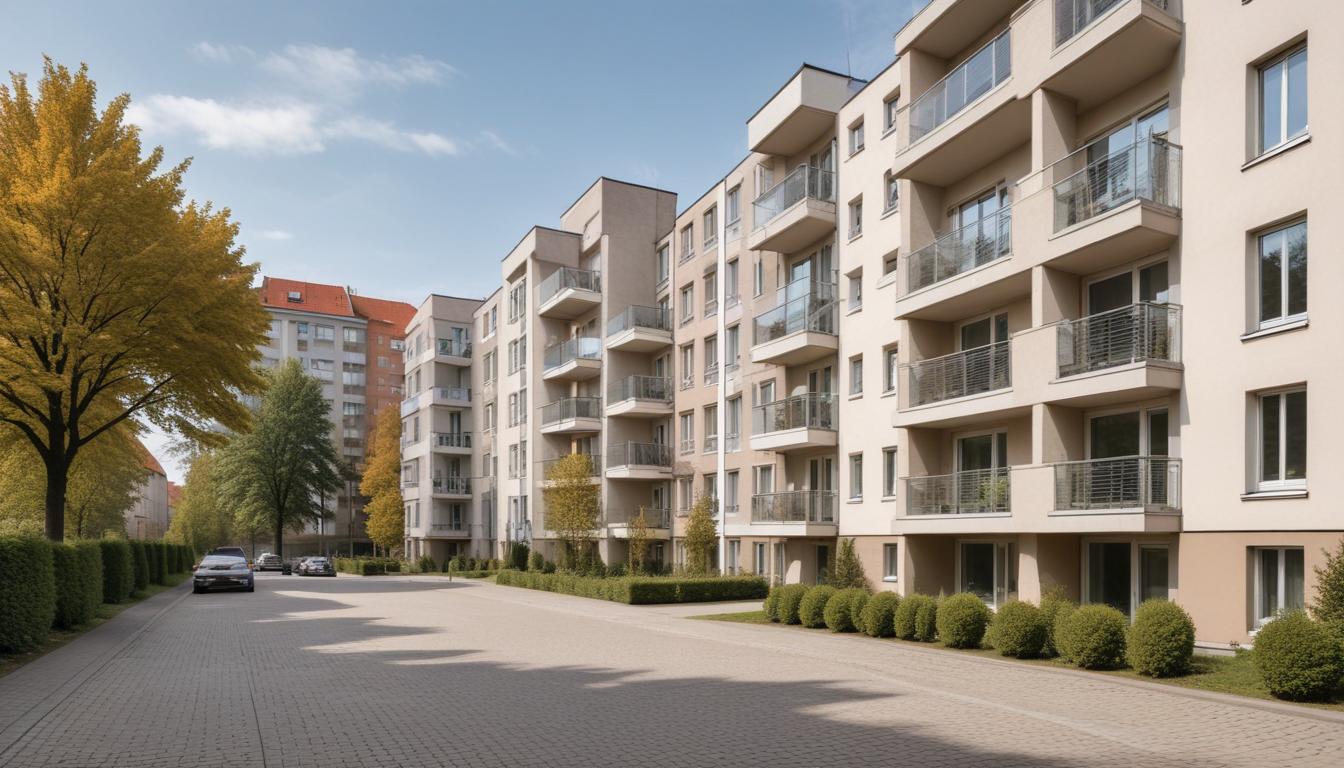
Berlin's Luxury Boom: How New Prestige Projects Are Reshaping City Neighbourhoods
High-end residential developments in Mitte and Charlottenburg signal a shift in where Berlin's wealthiest buyers are choosing to invest.
High-end residential developments in Mitte and Charlottenburg signal a shift in where Berlin's wealthiest buyers are choosing to invest.
Berlin's luxury property market has traditionally moved at a measured pace, but a wave of prestige residential projects now underway is reshaping expectations across the city's most coveted postcodes. With average prices in central Berlin hovering around €5,500 per square metre, new ultra-premium developments are commanding significantly higher rates—and sparking debate about what this means for neighbourhood character and accessibility.
The most visible transformation is occurring along the Spree corridor in Mitte, where several heritage conversion projects have converted former industrial spaces into exclusive residences. These developments typically feature penthouses priced above €2 million, underground parking, and amenities like private spa facilities and rooftop gardens. Similar patterns are emerging in adjacent Prenzlauer Berg, where vacant warehouse sites and decommissioned institutional buildings are being repositioned as high-end residential addresses.
Charlottenburg has also emerged as an unexpected stronghold for prestige investment. Historic villas around the palace grounds and new apartment complexes near the Charlottenburg Palace itself are attracting international capital seeking Berlin properties with both modern amenities and established prestige. These projects often emphasise architectural heritage restoration alongside contemporary design—a formula that justifies premium pricing and appeals to buyers seeking cultural cachet.
The market dynamics are complex. Berlin's robust tenant protection laws and relatively strict rental caps have historically limited speculative development, yet new owner-occupier schemes sidestep some of these constraints. Private investors and international property funds appear increasingly comfortable targeting Berlin's upper market, signalling confidence in the city's long-term wealth accumulation patterns.
Local authorities have taken notice. Several districts, including Friedrichshain-Kreuzberg and Pankow, are reviewing planning permission frameworks to balance new investment with community continuity. The city's housing authority has emphasised that prestige developments should not compromise Berlin's mixed-income neighbourhoods, though enforcement mechanisms remain contested.
For current Berlin property holders in central locations, the influx of high-end projects presents both opportunity and concern. Property values in Mitte and Prenzlauer Berg have appreciated steadily, but rapid gentrification has historically displaced long-term residents and erased distinctive local culture. Whether Berlin's latest luxury wave represents sustainable reinvestment or the beginning of deeper demographic shifts remains an open question—one that will define the city's character for decades ahead.
This article was compiled by AI from the sources linked above and screened before publishing. See our editorial standards.
How does this story make you feel?
Spread the word
About this article
Published by The Daily Berlin
Daily brief
Free, in your inbox before 7am. Weekdays.
More in Property