The Price Squeeze: What's Driving Berlin's Housing Crisis and What Buyers Must Know Right Now
As affordable housing vanishes across the city, we break down the forces reshaping the market—and what it means for your wallet.
As affordable housing vanishes across the city, we break down the forces reshaping the market—and what it means for your wallet.
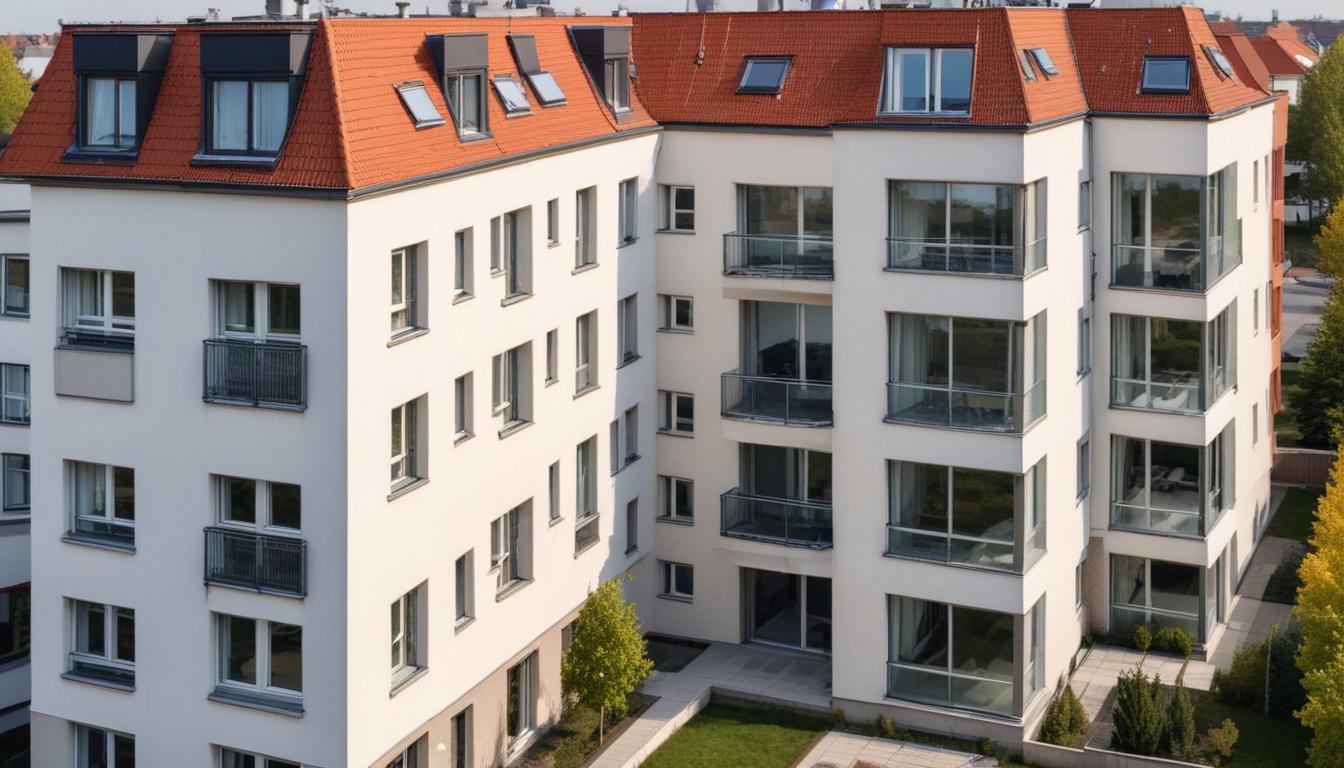
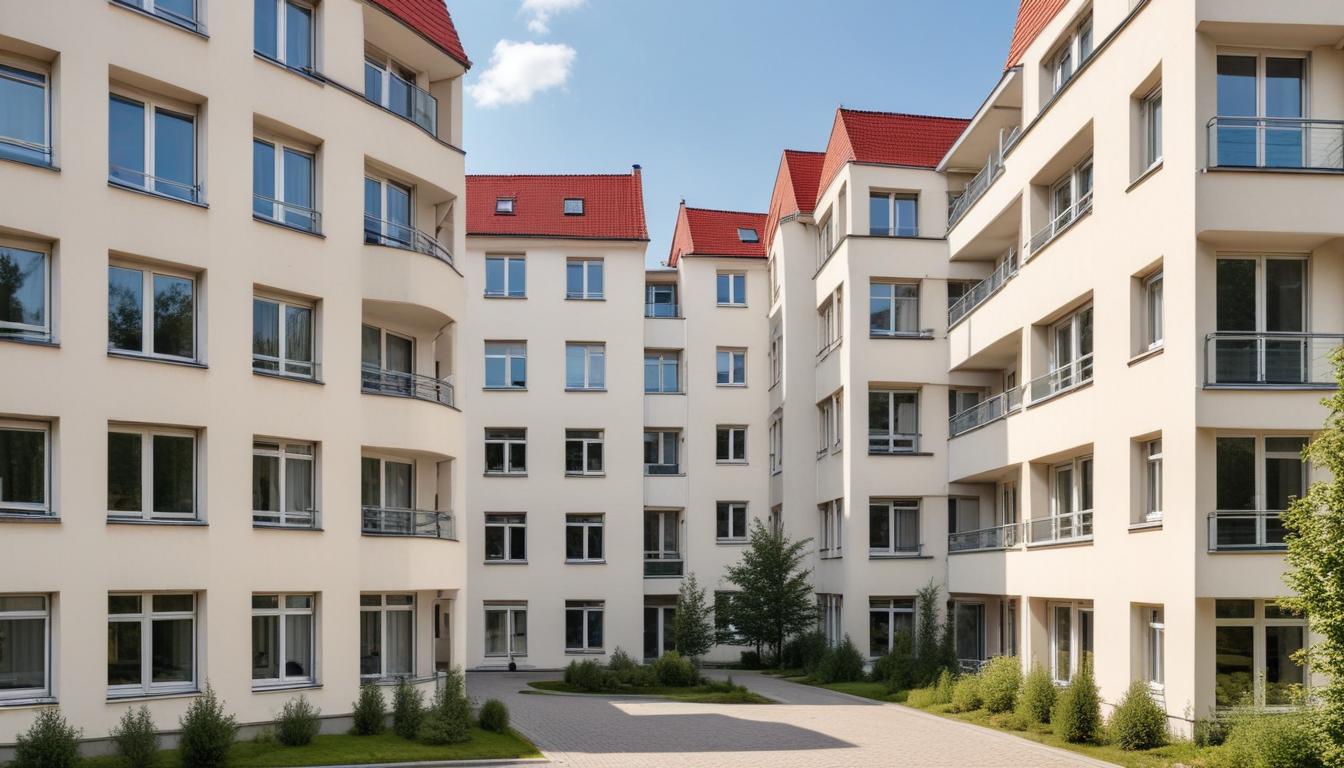
Berlin's housing market has entered a new phase of turbulence. The city's average price of €5,500 per square metre masks a deeper story: entire neighbourhoods are pricing out the very professionals and families who built their character. Understanding what's happening—and what it means for you—has never been more urgent.
The squeeze is most acute in traditionally affordable areas. Friedrichshain-Kreuzberg, once Berlin's creative heartland, has seen rents climb 40% in the past three years. Pankow, long favoured by young families and artists seeking breathing room north of Prenzlauer Berg's premium prices, is following suit. Meanwhile, Mitte and Prenzlauer Berg remain locked behind barriers of wealth, with per-square-metre prices regularly exceeding €7,000.
Three forces are colliding to create this crisis. First, external investment continues to reshape neighbourhoods faster than planning committees can respond. Second, the city's rigid tenant protection laws—designed to shield renters—have inadvertently discouraged new construction, artificially constraining supply. Third, Berlin's growing appeal as a European tech and cultural hub is driving consistent migration into the city, putting pressure on every price point simultaneously.
For buyers, the implications are stark. The traditional pathway—renting in Friedrichshain or Neukölln while saving for a deposit—no longer works. Properties that sold for €300,000 five years ago now command €450,000 or more. First-time buyers without significant family wealth face a near-impossible calculus.
Social housing initiatives, including Berlin's continued push for municipal housing programmes and the mandatory social quota on new developments, offer some ballast. Yet they're fighting an uphill battle against market fundamentals. The city council's target of creating 20,000 new homes annually remains aspirational rather than achieved.
What does this mean practically? Buyers must act quickly when opportunities emerge, particularly in emerging areas like parts of Pankow and eastern Lichtenberg. Consider neighbourhoods slightly further afield—Köpenick and Treptow still offer relative value. Most importantly, understand that Berlin's market is no longer a bargain basement compared to Munich or Hamburg. The window for affordable entry has narrowed dramatically.
The conversation about affordability in Berlin is no longer abstract policy debate. It's about whether the city's middle class can afford to live in it. Until supply catches up with demand—a timeline measured in years, not months—prices will continue their inexorable climb.
This article was compiled by AI from the sources linked above and screened before publishing. See our editorial standards.
How does this story make you feel?
Spread the word
About this article
Published by The Daily Berlin
Daily brief
Free, in your inbox before 7am. Weekdays.
More in Property