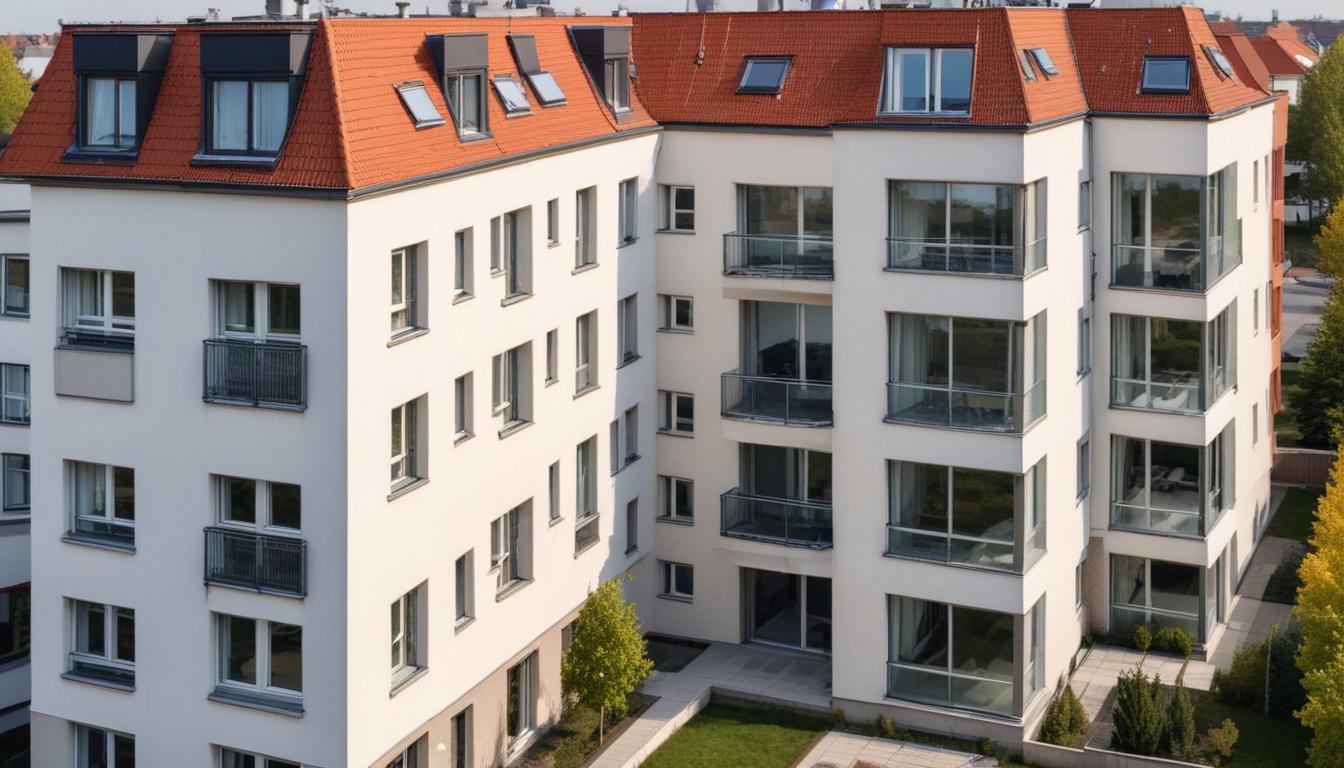
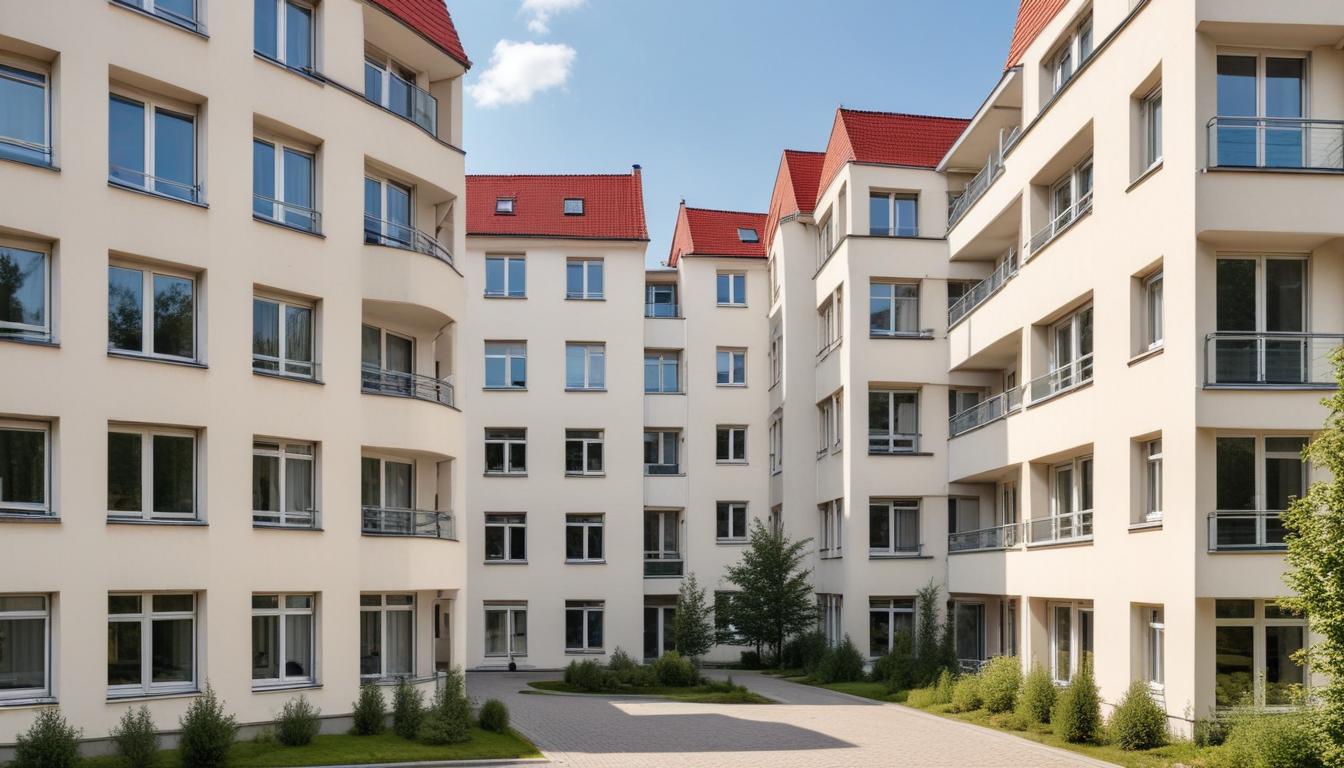
The Berlin property market has undergone a fundamental shift in 2026. First-time buyers entering the arena now face a radically different landscape than those who purchased just two years ago, with prices climbing steadily across all major districts and financing becoming considerably more stringent.
The average price per square metre in Berlin has stabilised around EUR 5,500, but this headline figure masks dramatic variation. In Mitte and Prenzlauer Berg, where young professionals cluster near U-Bahn connections and cultural venues like the Volksbühne, prices now regularly exceed EUR 8,000/sqm for anything move-in ready. Even traditionally more affordable areas—Pankow has emerged as the growth corridor, with prices climbing 12% year-on-year—now demand serious financial preparation.
So what's driving this acceleration? Supply remains critically tight. The number of available apartments under EUR 400,000 in Friedrichshain-Kreuzberg, the neighbourhood that anchored Berlin's affordability narrative a decade ago, has contracted sharply. Construction pipelines haven't kept pace with migration inflows, particularly young professionals relocating for tech and media jobs. Meanwhile, building material and labour costs have risen faster than the overall inflation rate, making new developments considerably pricier than older stock.
For buyers, the financing environment requires careful attention. Banks are now demanding larger deposits—typically 20-25% of purchase price—and scrutinising debt-to-income ratios more rigorously than before. The KfW development bank's grant schemes remain available, but eligibility criteria have tightened, and competition for subsidised loans has intensified. First-time buyers should engage directly with KfW offices and major lenders like Deutsche Bank and Commerzbank early, rather than assuming pre-approval.
Berlin's tenant protection laws still favour renters, which paradoxically keeps many potential buyers in the rental market longer. Yet those ready to purchase should act strategically. Districts like Pankow and Wedding offer genuine growth potential without the premium pricing of Mitte. Location near major transit nodes—the S-Bahn rings connecting to Alexanderplatz, or U-Bahn corridors—typically offers better long-term value than proximity to gentrified cultural hotspots.
The window for entry-level purchases remains open, but it's narrowing. Buyers who secure financing now, understand local zoning regulations, and remain flexible on neighbourhood choice can still find sustainable footholds in Europe's most liveable capital—but the days of stumbling into affordable Berlin deals are definitively over.
This article was compiled by AI from the sources linked above and screened before publishing. See our editorial standards.