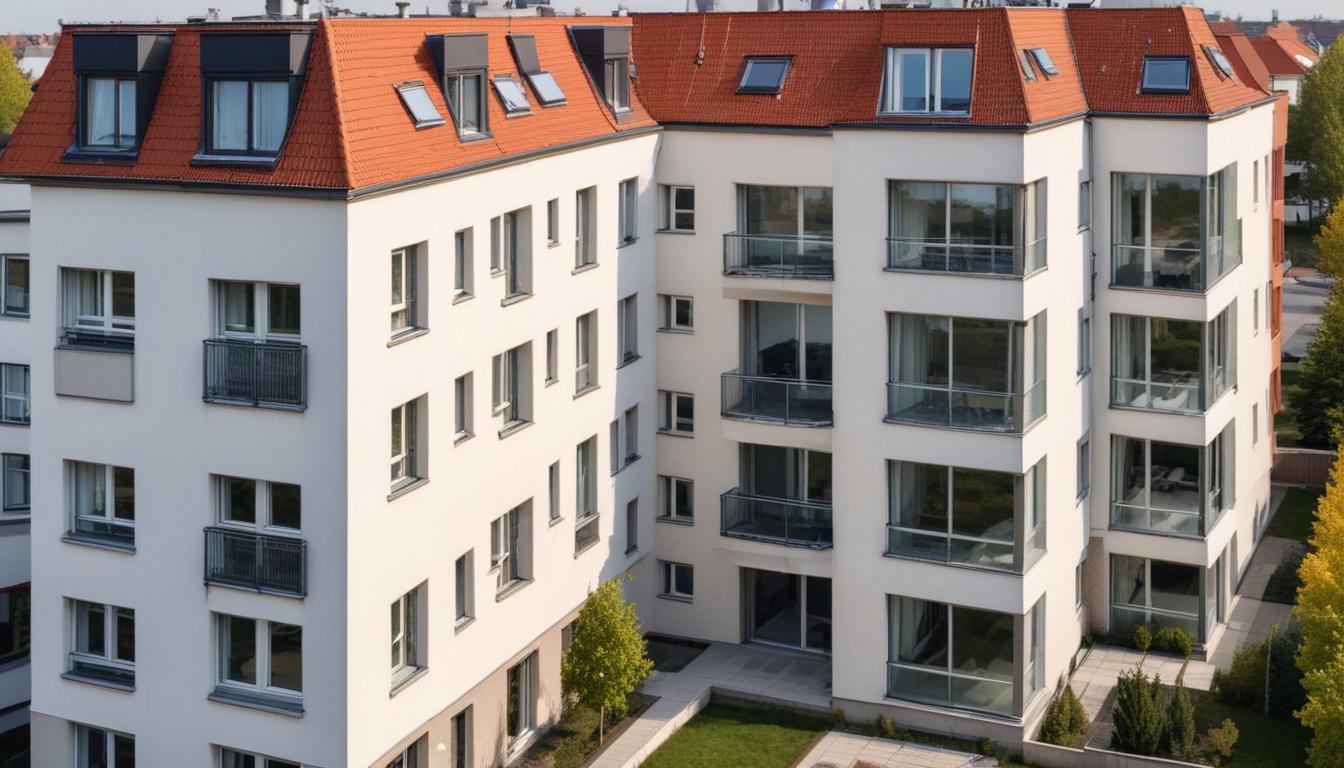
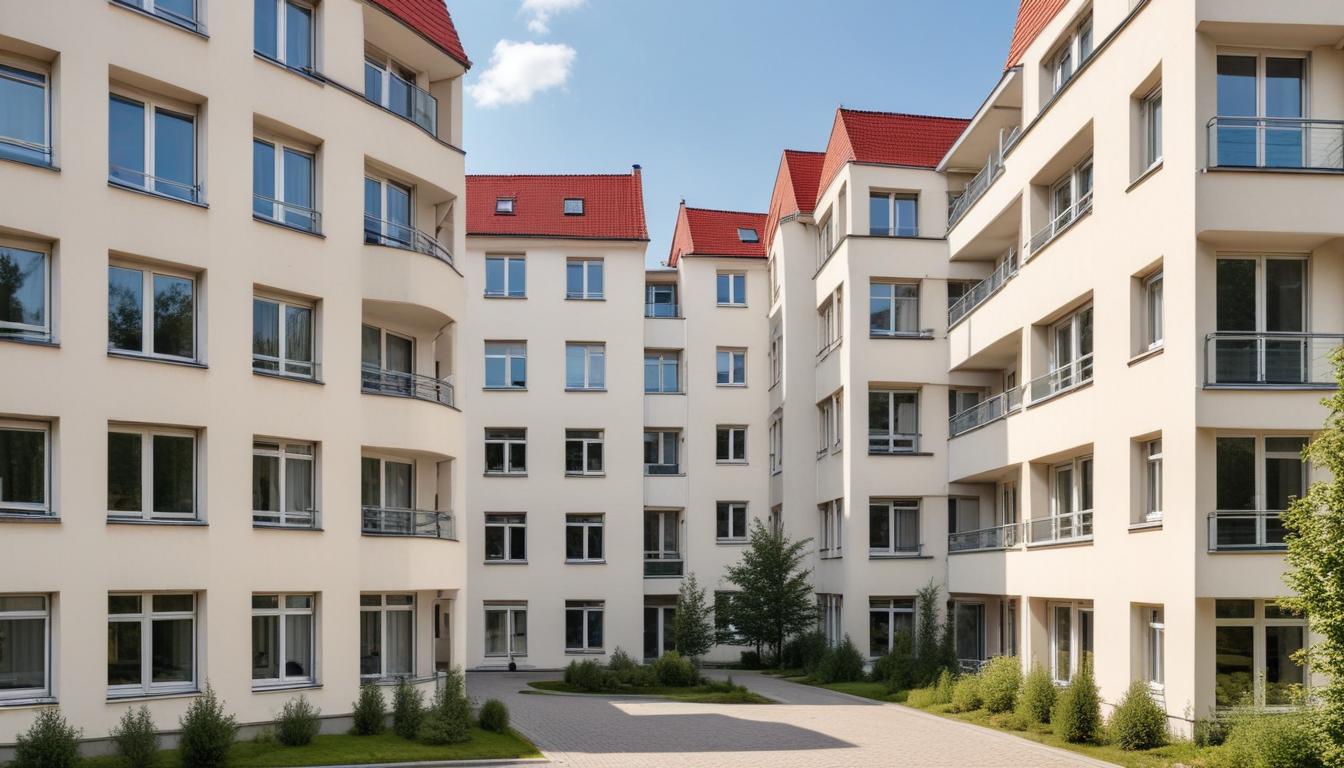
Berlin's rental market is tightening faster than many residents anticipated. Vacancy rates have fallen to just 1.2 per cent across the city—down from 3.8 per cent in 2020—creating a fiercely competitive landscape that's reshaping affordability across neighbourhoods from Charlottenburg to Köpenick.
The culprits behind this squeeze are multifaceted. Post-pandemic migration flows have accelerated, with Berlin attracting both domestic relocators fleeing Munich and Hamburg's spiralling costs, plus international remote workers drawn by the city's cultural appeal and lower baseline prices. Meanwhile, the construction pipeline hasn't kept pace: only 8,000 new rental units completed last year against demand for nearly 15,000 annually. Institutional investors have quietly consolidated holdings in Friedrichshain-Kreuzberg and Pankow, where median rents now sit at €12.50 and €11.20 per square metre respectively—a 22 per cent jump since 2022.
Prices in Mitte and Prenzlauer Berg have entered rarefied territory, regularly exceeding €16 per square metre. Even peripheral areas like Spandau and Lichtenberg, historically affordable refuges, now command €9.50 per square metre. The Mieterbund (Berlin's tenant association) has documented a troubling pattern: landlords increasingly demand deposits equal to three months' rent, employment contracts guaranteeing three times the monthly rent, and references from previous landlords—screening practices that disproportionately exclude precarious workers, students, and migrants.
What should prospective renters know? First, abandon the notion of browsing casually. Desirable flats near U-Bahn stations or in neighbourhoods like Neukölln's gentrifying pockets vanish within hours of listing. Second, digital platforms like ImmobilienScout24 and Immowelt now charge premium fees for priority visibility, meaning landlords responding to highest bidders. Third, understand your rights: despite market pressure, Berlin's strong tenant protections remain intact. The Maklergebührenverordnung restricts broker fees to 50 per cent of one month's rent plus VAT, and rent increases are capped at 20 per cent over three years in protected areas.
The Berliner Mieterverein offers free consultations at their Mehringdamm office and maintains updated resources on legal obligations and tenant rights. Consider neighbourhoods slightly further afield—Pankow, Tempelhof-Schöneberg, or Charlottenburg—where supply remains marginally healthier and communities retain authentic character despite rising pressure.
The window for accessible Berlin rental living is narrowing. Act decisively, stay informed about your rights, and recognise that even in a tight market, predatory practices remain illegal.
This article was compiled by AI from the sources linked above and screened before publishing. See our editorial standards.