Berlin's Ultra-Luxury Developments Signal Shift in City's High-End Market
New prestige projects reshaping neighbourhoods from Charlottenburg to Mitte are attracting global wealth while raising questions about Berlin's evolving identity.
New prestige projects reshaping neighbourhoods from Charlottenburg to Mitte are attracting global wealth while raising questions about Berlin's evolving identity.
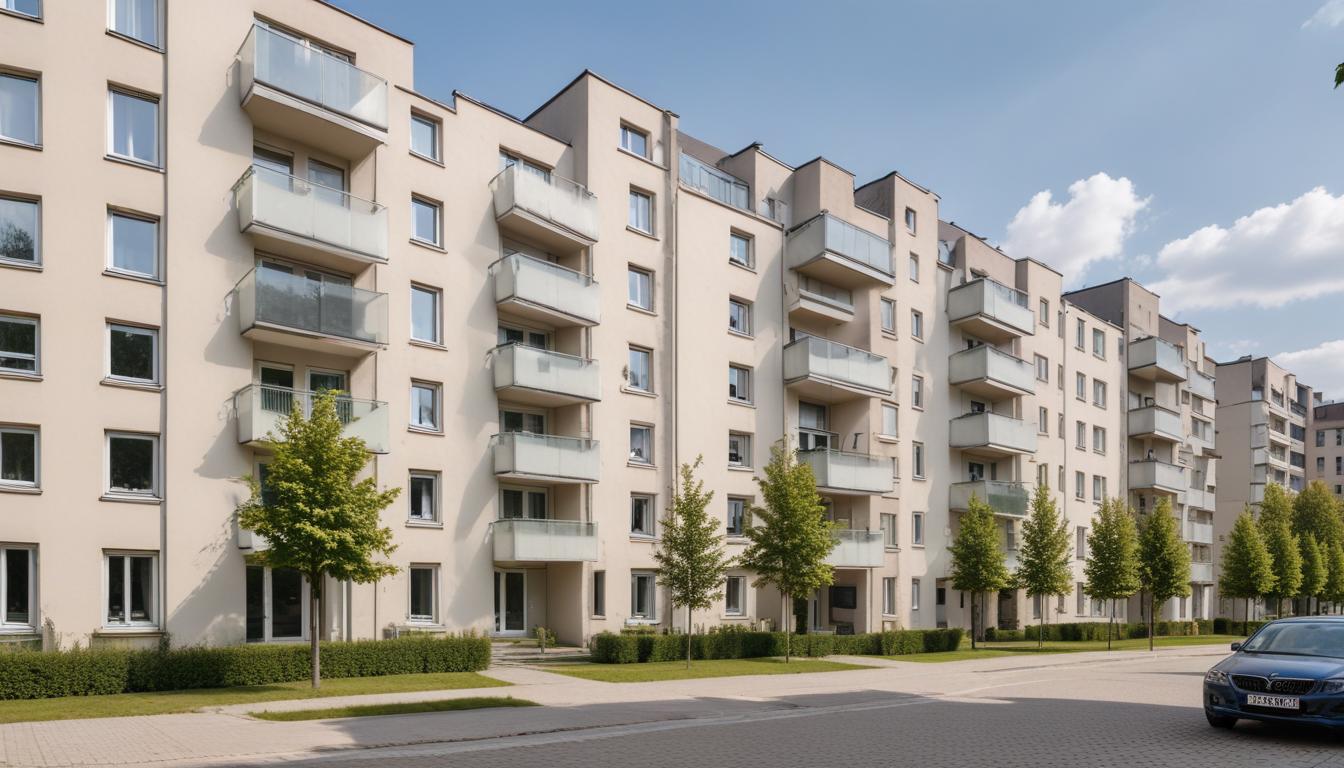
Berlin's luxury property market is experiencing a quiet but significant transformation. While the city's average square metre price hovers around EUR 5,500, new high-end developments are establishing pricing brackets that would have seemed impossible here five years ago—with some Charlottenburg penthouses now commanding EUR 15,000 per square metre or more.
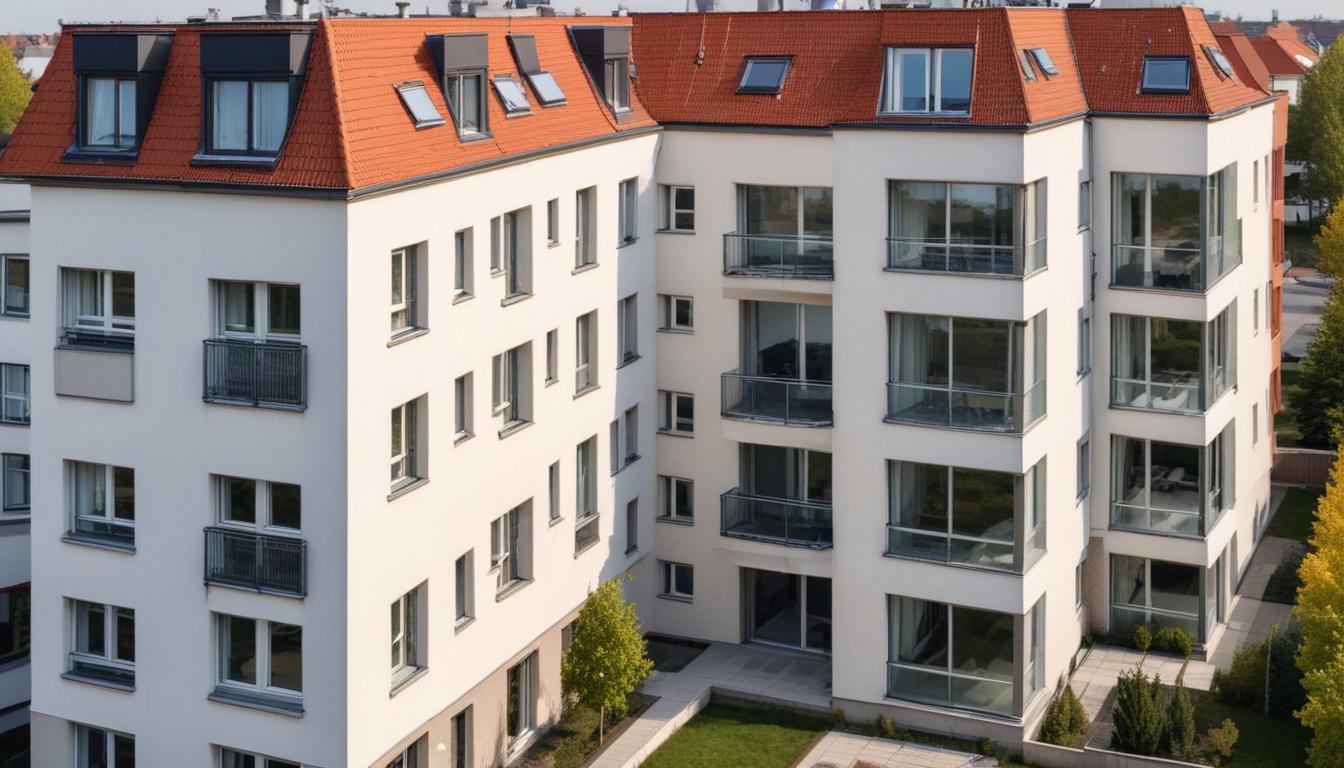
The shift is most visible along the Spree's western reaches, where contemporary glass-and-steel residential towers are rising alongside heritage brownstones. These aren't merely apartments; they represent a fundamental repositioning of Berlin's prestige real estate sector. Developments near the Landwehr Canal and around Potsdamer Platz are attracting international capital previously drawn to Munich or Hamburg, fundamentally altering the character of their neighbourhoods.
What makes this moment distinctive is location diversification. Traditionally, Berlin's ultra-wealthy clustered in Charlottenburg or the Grunewald forest suburbs. Now, developers are betting on Mitte—specifically around Museumsinsel and the renovated Quartiere along Karl-Liebknecht-Strasse—as the new epicentre of prestige living. These developments promise something Berlin's established wealthy enclaves cannot: walkable urbanism with proximity to galleries, fine dining, and cultural institutions.
Friedrichshain-Kreuzberg, long viewed as bohemian rather than bourgeois, is experiencing its own stratification. Luxury conversions on Revaler Strasse and near RAW-Gelände are fragmenting what was once a cohesive creative neighbourhood. Developers argue they're preserving character through adaptive reuse; residents worry about homogenisation and displacement pressure on existing communities.
The implications ripple outward. Pankow, increasingly marketed as an emerging prestige address, has seen values climb steadily—approaching EUR 6,800 per square metre in desirable pockets. Young professionals and established families are being priced out, with rental protection laws providing limited shelter against the pressure.
Berlin's tenant-friendly regulations present an interesting counterpoint. Strong legal protections mean even luxury developments must navigate complex conversion requirements and tenant rights. This distinguishes Berlin's market from Frankfurt or Cologne, where new development proceeds with fewer restrictions. Whether this friction ultimately protects the city's social character or merely delays inevitable transformation remains contested.
What's clear: Berlin is no longer the affordable alternative to Western European capitals. The city's new luxury projects aren't simply adding supply to an existing market—they're fundamentally redefining which neighbourhoods count as prestigious, and at what cost to the communities already there.
This article was compiled by AI from the sources linked above and screened before publishing. See our editorial standards.
How does this story make you feel?
Spread the word
About this article
Published by The Daily Berlin
Daily brief
Free, in your inbox before 7am. Weekdays.
More in Property