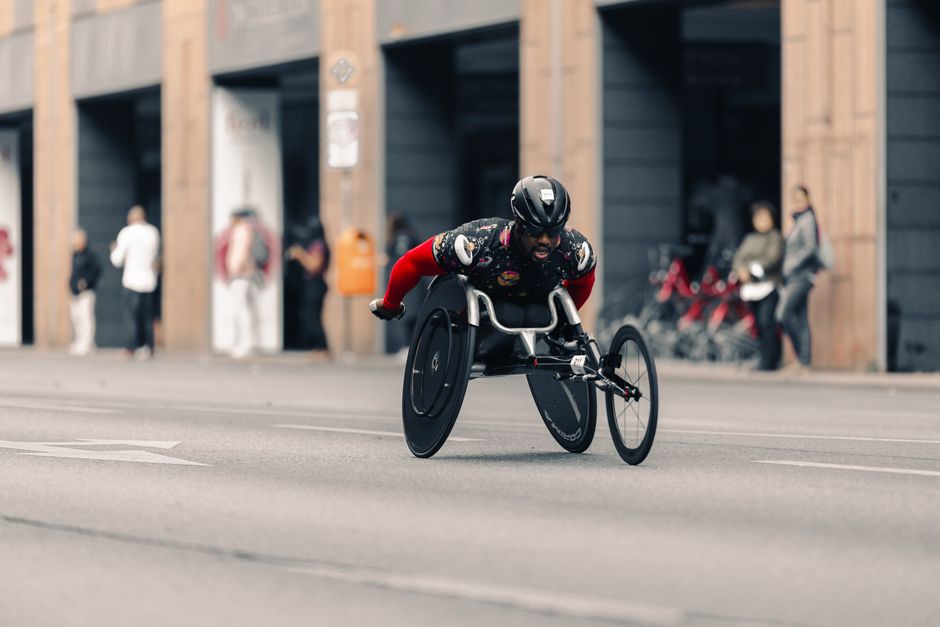
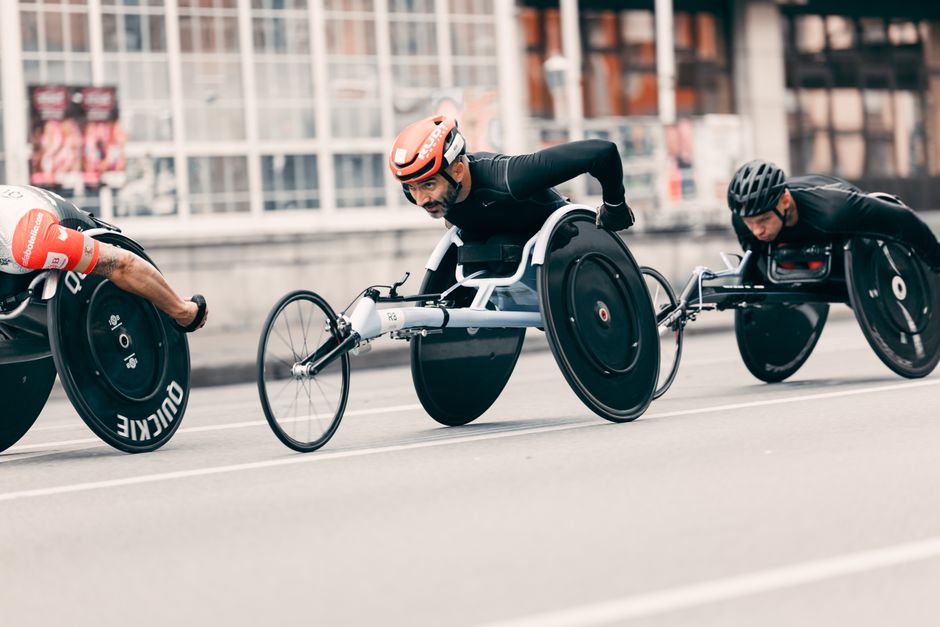
Walking through Tiergarten on any Sunday morning, you'll see them: clusters of runners in high-visibility gear, cyclists in aerodynamic kits, and the occasional triathlete stretching by the water's edge. What once seemed like a niche pursuit has become embedded in Berlin's recreational DNA, and the numbers tell a compelling story about how this city moves.
Recent participation data from Berlin's sports registration authority reveals that endurance sports registrations have surged 34% over the past three years. Running clubs affiliated with the Berlin Running Community have grown from 47 to 73 active groups since 2023, with membership hovering around 8,500 active participants. Cycling associations report similar trajectories, while triathlon clubs in Charlottenburg and Köpenick are reporting waitlists for the first time in their institutional histories.
The infrastructure tells part of the story. The Müggelsee circuit in Köpenick, Berlin's largest lake, has become a magnet for triathlon training, particularly among the 25-40 demographic. Weekend races now draw 400-600 competitors, a threefold increase from 2021. Meanwhile, the Tempelhofer Feld—that vast, iconic former airport—continues its role as the city's unofficial running headquarters, with an estimated 15,000 regular users weekly across all fitness levels.
But what does this data actually reveal about Berlin's fitness culture? First: accessibility matters. Most running clubs charge minimal membership fees (€8-15 monthly), making participation democratised compared to traditional gyms. Second: community-building has become as important as the activity itself. The rise of themed runs—from the monthly queer cycling collective to neighbourhood-based running groups in Neukölln and Kreuzberg—suggests Berliners view endurance sports as social infrastructure, not solitary punishment.
Third: the city's geography works in its favour. The Spree-Oder canal system, extending into Brandenburg, offers 200+ kilometres of uninterrupted cycling routes. The abundance of water—Müggelsee, Tegeler See, Plötzensee—has lowered barriers to triathlon entry, eliminating the need for expensive pool memberships.
Perhaps most telling is demographic data: newcomers to Berlin represent 41% of new endurance sport participants, suggesting these activities serve an integration function for the city's transient population. Running clubs and cycling collectives become social anchors.
As Berlin continues reimagining itself post-pandemic, endurance sports participation charts a curious trajectory: they're simultaneously deeply personal pursuits and profoundly communal practices. The data doesn't just show more people running and cycling. It reveals a city actively seeking connection, structure and meaning through movement.
This article was compiled by AI from the sources linked above and screened before publishing. See our editorial standards.