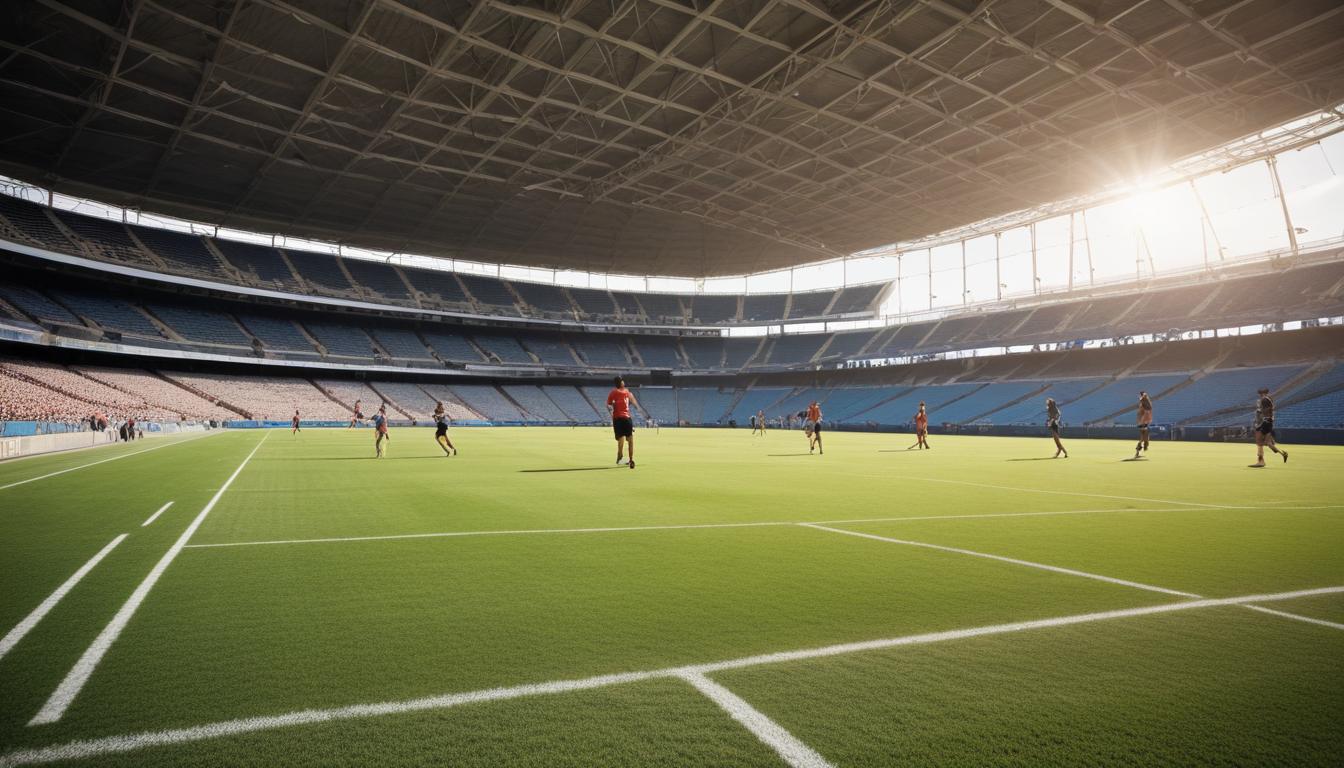
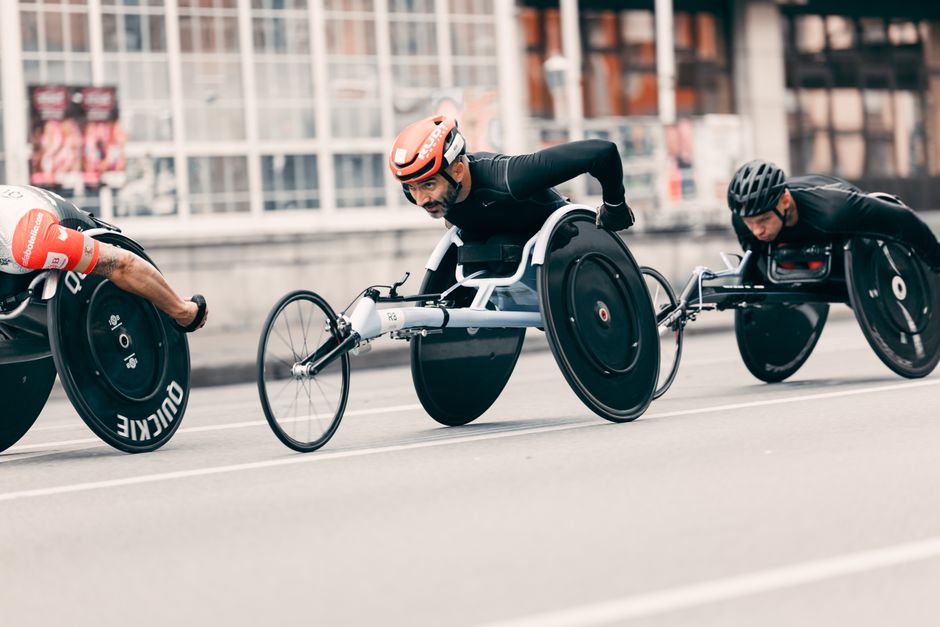
In a converted warehouse along the Landwehr Canal in Kreuzberg, forty people move in synchronised rhythm across cracked concrete floors. There are no mirrors, no monthly contracts, and no personal trainers barking motivational clichés. What there is, instead, is community—the beating heart of Berlin's grassroots fitness revolution that has quietly transformed how ordinary Berliners approach their bodies and their neighbourhoods.
This movement didn't emerge from polished fitness franchises or luxury studios in Mitte. It grew from mutual aid networks, informal training collectives, and a distinctly Berlin ethos: that movement, strength, and health shouldn't be commodified for those who can afford premium memberships. Over the past five years, participation in community-led fitness initiatives across the city has grown by an estimated 35 percent, according to data from the Berlin Sports Senate, while traditional commercial gym membership growth has stalled at around 2 percent annually.
"People got tired of the treadmill trance," explains the coordinator of a free outdoor training group that meets three times weekly in Tiergarten's Großer Tiergarten meadow. "They wanted something real—something connected to their neighbourhood and each other." The group, which started with eight regulars in 2022, now attracts over 150 participants per session, from teenagers to retirees.
Across Neukölln, Friedrichshain, and Wedding, similar initiatives have blossomed. Rooftop yoga collectives in Kreuzberg charge on a sliding scale. Boxing clubs in Wedding operate as registered cooperatives where members share cleaning duties and equipment maintenance. Community garden fitness projects in Lichtenberg combine movement with urban agriculture. These aren't niche experiments—they represent a fundamental shift in how Berlin's working-class and middle-class communities view physical culture.
What drives this momentum is partly economic. A standard commercial gym membership in central Berlin costs €50-80 monthly. The grassroots alternative? Often €5-15, or entirely free. But it's also ideological. These spaces reject the isolation of individual training pods and instead emphasize collective wellbeing, accessibility for disabled participants, and anti-competitive atmospheres.
Local government has begun recognizing this trend. The Berlin Senate's 2026 sports funding framework allocated €2.3 million specifically to community-led fitness initiatives—a fourfold increase from 2023. District councils in Friedrichshain-Kreuzberg and Pankow have begun facilitating community access to public spaces, transforming underused streets and parks into informal training zones.
As commercial gyms struggle with retention rates, Berlin's grassroots movement proves that sustainable fitness culture emerges not from exclusivity, but from radical accessibility and neighbourhood solidarity.
This article was compiled by AI from the sources linked above and screened before publishing. See our editorial standards.