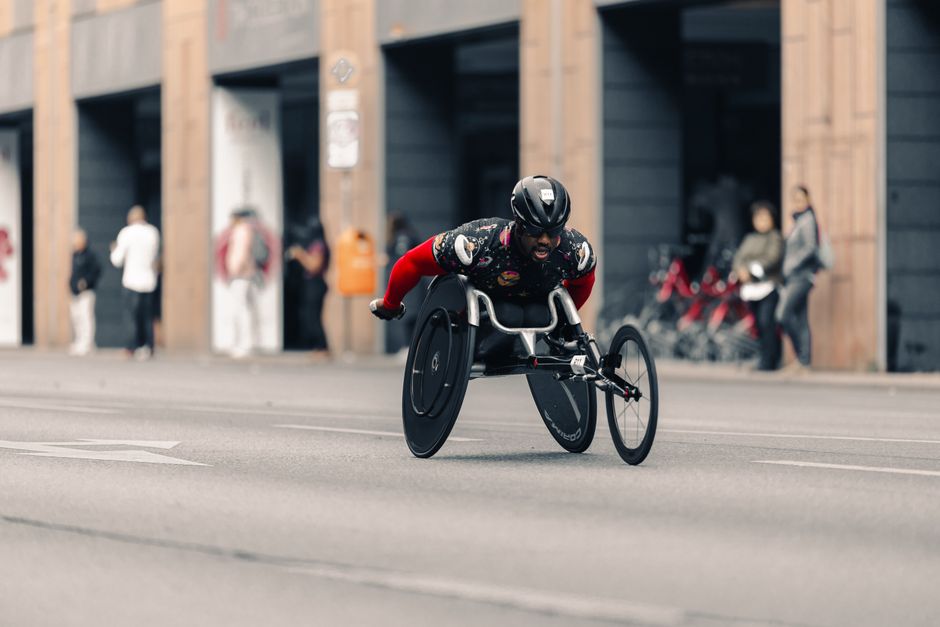
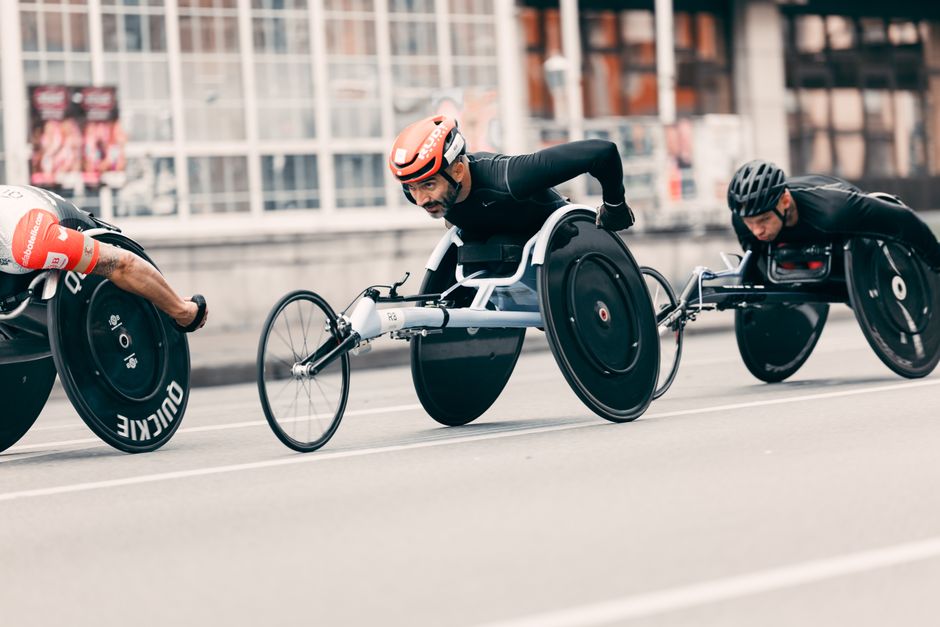
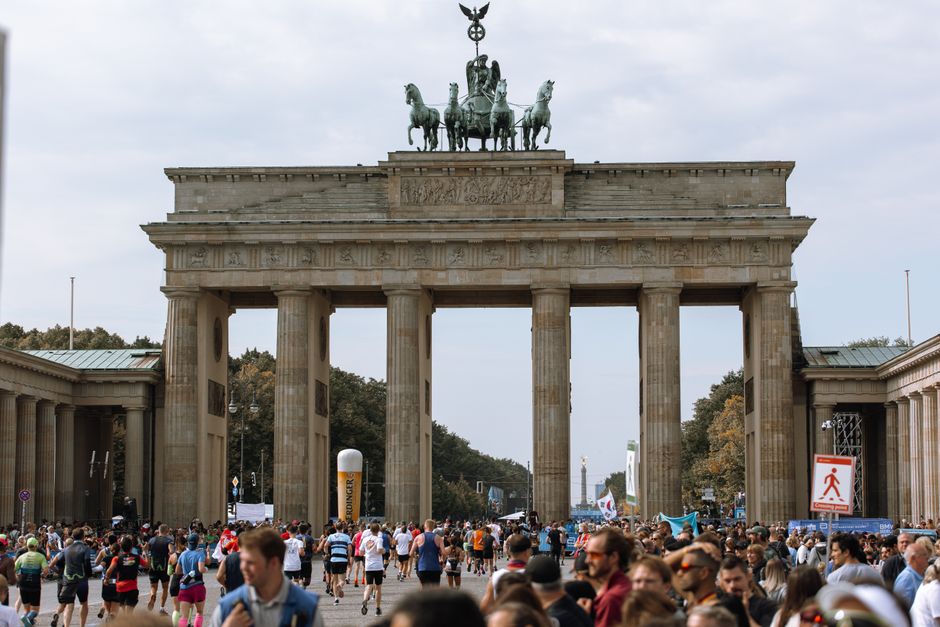
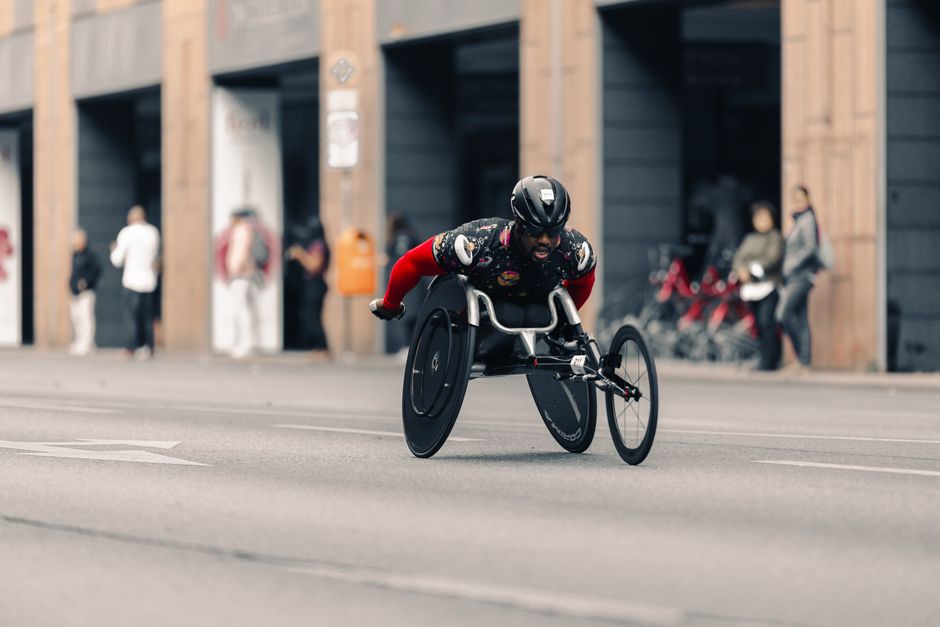
Berlin's amateur sports culture is thriving. Whether you're looking to dust off your trainers or discover a new passion, the city's recreational leagues and clubs offer accessible pathways for newcomers of all fitness levels. The question isn't whether opportunities exist—it's where to start.
The easiest entry point is often your local neighbourhood club. Districts like Friedrichshain, Kreuzberg, and Charlottenburg host dozens of Sportvereine—traditional German sports clubs that form the backbone of grassroots athletics. Most charge modest membership fees, typically between €8 and €20 monthly, though this varies by sport and facility. The Berliner Sportbund, the city's umbrella sports organisation, maintains an searchable database of over 2,000 registered clubs across all disciplines. A quick search reveals everything from table tennis groups in Neukölln to rowing clubs along the Spree.
Football remains the most popular entry point. Amateur leagues operate year-round across Berlin's public pitches and privately maintained grounds. The Berliner Fußball-Verband oversees competitive structures, but casual five-a-side groups meet weekly at venues like the Sportplatz in Tempelhof-Schöneberg without formal registration. Expect to pay €3-€8 per session for pickup games, or commit to a club season starting typically in August or September.
Beyond football, Berlin's recreational offerings span the spectrum. Volleyball courts at Plötzensee in Wedding host thriving amateur leagues. Running clubs organise regular training sessions and weekend races across the Tiergarten and Grunewald forests. Badminton, handball, and tennis clubs populate nearly every district. Climbing gyms in Kreuzberg and Friedrichshain welcome complete beginners with introductory courses priced around €15-€30.
What you'll actually need depends on your chosen sport, but certain essentials apply universally. First, verify your eligibility: most clubs require German residence registration, though some welcome tourists for short-term participation. Second, prepare documentation. Membership typically demands proof of identity and, increasingly, a liability waiver. Third, invest in basic equipment—nothing elaborate for starting out, but proper footwear and appropriate clothing make a difference.
The summer months present ideal timing. June and July see many clubs organising beginner sessions, capitalising on weather and leisure time. Most operate drop-in training nights before formal seasons commence. Visit club websites directly or attend open training sessions; clubs actively recruit and rarely turn away genuine newcomers.
Berlin's sport culture emphasises inclusion and community participation over elite performance. Start by identifying your neighbourhood club, attend a training session, and speak directly with coaches and members. The barrier to entry exists primarily in your mind.
This article was compiled by AI from the sources linked above and screened before publishing. See our editorial standards.