Berlin's football landscape has transformed dramatically over the past decade, yet the infrastructure supporting it threatens to lag behind ambition. With Hertha BSC and Union Berlin both pushing for continental prominence, the capital faces a critical moment in deciding whether to modernise its aging stadiums or risk losing competitive edge.
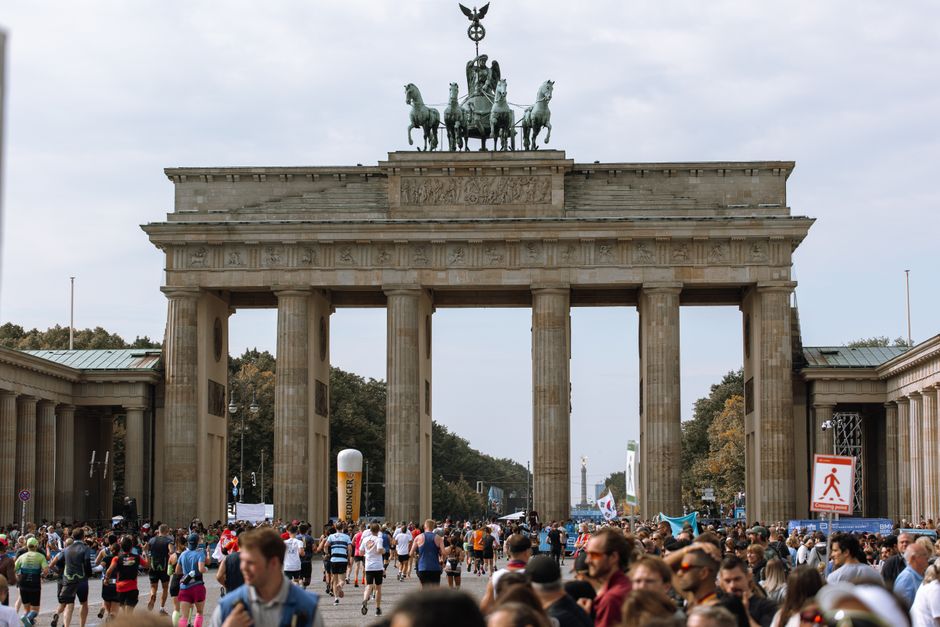
The Olympiastadion, nestled in the Charlottenburg-Wilmersdorf district and home to Hertha since 1974, remains a monument to Cold War grandeur. Its 74,322 capacity makes it Germany's second-largest stadium, yet renovation discussions have dragged on for years. Built originally for the 1936 Olympics, the venue underwent significant updates before the 2006 World Cup, but infrastructure experts argue it needs substantial investment in hospitality zones, modern safety systems, and fan facilities to compete with purpose-built arenas in Munich or Dortmund.
Union Berlin's Alte Försterei in Köpenick presents a different challenge. With capacity capped at 37,500 following expansion in recent seasons, the club faces restrictions on growth. The club's proposed new stadium in nearby Wuhlheide—long in development limbo—would provide 37,000 seats and modern facilities, yet permitting delays and environmental assessments have pushed timelines repeatedly back. This stagnation frustrates fans and administrators alike, particularly as European competitions demand enhanced infrastructure standards.
Beyond matchday venues, training facilities tell another story of uneven development. Hertha's Schenkendorfplatz complex in Spandau offers adequate resources for a Bundesliga club, though scouts report it lacks the cutting-edge analytics and recovery facilities competitors in Frankfurt or Leipzig now take for granted. Union's training ground in Köpenick functions adequately but remains constrained by space limitations typical of Berlin's densely populated eastern quarters.
Investment figures paint a sobering picture. While clubs across Germany have collectively spent €180 million on stadium upgrades since 2022, Berlin's contributions remain modest. The city government has allocated €45 million for Olympiastadion improvements, though this falls short of the €120–150 million many analysts suggest necessary for comprehensive modernisation.
Amateur and youth facilities deserve mention too. Berlin's sprawling network of neighbourhood pitches in Kreuzberg, Neukölln, and Mitte provide grassroots access, yet funding pressures have left many municipal grounds underfunded. These fields nurture the talent pipeline both professional clubs depend upon.
As European football's elite continue raising standards, Berlin's clubs face a choice: invest decisively in modern infrastructure, or watch rivals capture investment and talent. The city's footballing future hangs in the balance.
This article was compiled by AI from the sources linked above and screened before publishing. See our editorial standards.