Why Berlin's Tech Ecosystem Refuses to Play by Silicon Valley Rules
As venture capital floods the city's startup scene, Berlin's founders are building something distinctly European—and it's reshaping how the world funds innovation.
As venture capital floods the city's startup scene, Berlin's founders are building something distinctly European—and it's reshaping how the world funds innovation.
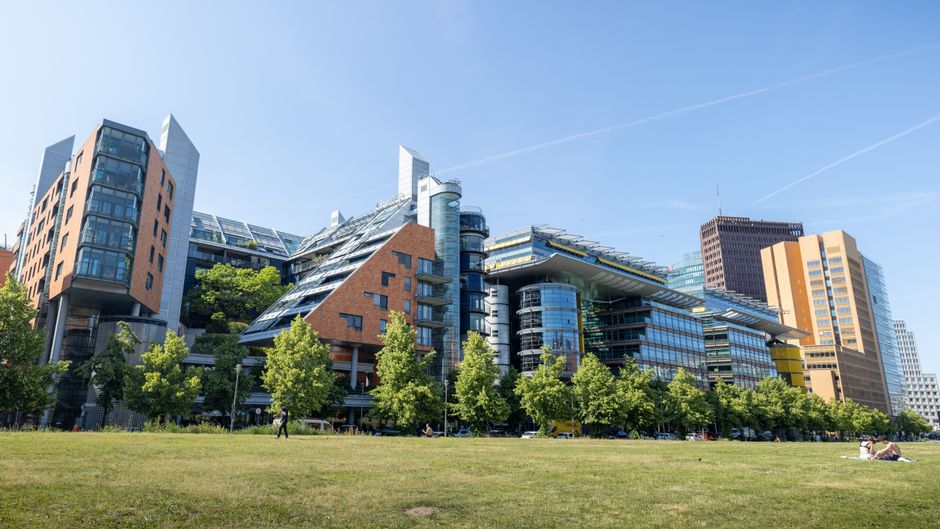
Walk through Kreuzberg on any given Tuesday and you'll see it: a city that has engineered something rare in global tech. Berlin's startup ecosystem has grown to rival London and Paris in venture capital deployment, yet it operates on fundamentally different principles than the venture-backed monoculture of the American West Coast.
The numbers tell part of the story. Berlin startups attracted roughly €2.7 billion in venture funding in 2025, a threefold increase from 2018. But the texture of that capital reveals what makes this city distinctive. Unlike Silicon Valley's winner-take-all mentality, Berlin's ecosystem has cultivated what investors call the "stability premium"—founders here raise smaller initial rounds, grow more deliberately, and build businesses built to last rather than exit.
That philosophy took root partly out of necessity. When N26 and SoundCloud imploded—spectacular collapses that haunted the city for years—Berlin learned that velocity without fundamentals is merely expensive noise. Today's wave of founders, clustered in neighborhoods like Mitte, Prenzlauer Berg, and the emerging tech corridors around Ostkreuz, prioritize sustainable unit economics over hypergrowth narratives.
The infrastructure reflects this maturity. Unlike the venture firms concentrated in Sand Hill Road's narrow band, Berlin's capital ecosystem is genuinely distributed. Firms like Rocket Internet's successors, early-stage backers like Paua Ventures, and the government-backed KfW banking group fund across sectors and ticket sizes. Meanwhile, accelerators like Rocket Internet's own program and community spaces like Betahaus on Kreuzbergstraße have become less about manufacturing hype and more about solving actual problems.
Cost structures matter too. A junior engineer in Berlin earns roughly 60% of San Francisco wages but often has superior work-life balance—and Berlin's startup founders have noticed. Talent retention rates outpace American tech hubs, meaning institutional knowledge actually accumulates.
Perhaps most distinctively, Berlin's founders maintain an almost stubborn independence from American playbook evangelism. The city's culture—built on immigration, experimentation, and healthy skepticism of authority—produces entrepreneurs willing to ask whether moving fast and breaking things is actually desirable. That contrarianism attracts investors seeking alternatives to the exhausted Silicon Valley formula.
As global venture capital seeks new frontiers, Berlin isn't trying to become another Valley. It's proving something more radical: that world-class innovation doesn't require adopting American mythology. It requires founders who understand that sustainable ecosystems beat spectacular ones, and that building something good for people beats building something good for PowerPoints.
That's what makes Berlin's tech story genuinely different—and why the world is starting to listen.
This article was compiled by AI from the sources linked above and screened before publishing. See our editorial standards.
How does this story make you feel?
Spread the word
About this article
Published by The Daily Berlin
Daily brief
Free, in your inbox before 7am. Weekdays.
More in tech


