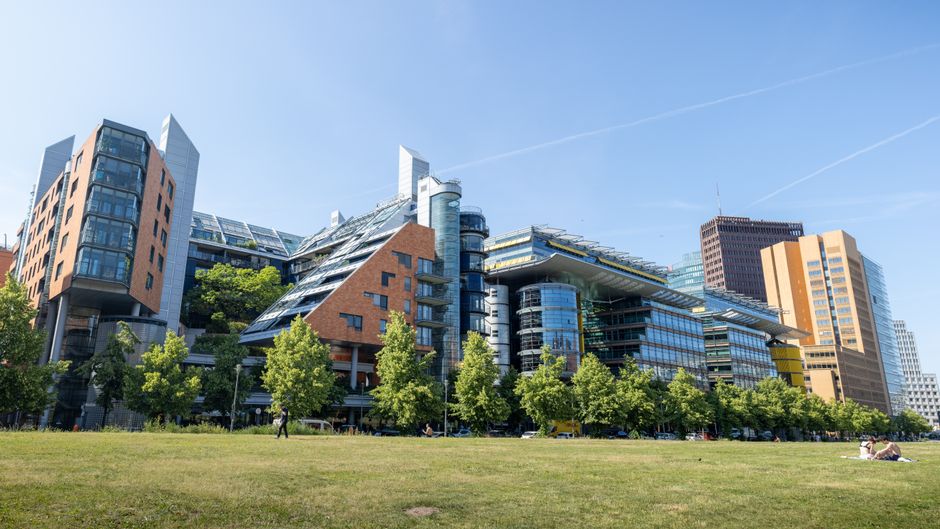
Walk through the converted warehouse spaces around Mehringdamm in Kreuzberg, and you'll find the usual mix of design studios and coffee roasters. But tucked between a typography workshop and a vegan restaurant is Luminox, a three-year-old startup that's quietly becoming one of Berlin's most compelling deep-tech bets.
This month, the company announced a €18 million Series A round led by Munich-based TechVentures and supported by the Mittelstand-focused fund Bayern Kapital—a validation that's already rippling through Berlin's startup scene. What makes Luminox worth watching isn't flashy consumer appeal. It's something far more valuable: they're solving a genuine industrial bottleneck using AI-enhanced thermal imaging.
The problem they've tackled sounds niche until you understand the scale. German manufacturers—from automotive suppliers in Baden-Württemberg to precision toolmakers across Bavaria—have relied on infrared cameras for quality control that are expensive, slow to deploy, and require specialist training. Luminox has built hardware and software that makes thermal sensing affordable and accessible to mid-sized factories. Their latest sensor costs roughly one-third what legacy competitors charge, while their software automates defect detection in real time.
"This is classic German engineering meeting modern AI," says the startup ecosystem around Betahaus in Mitte, where Luminox's founders first met. The team includes former researchers from Fraunhofer institutes and engineers who previously worked at Zeiss—the kind of pedigree that signals serious technical credibility.
The funding matters beyond the raw numbers. Berlin's venture capital landscape has historically favored software and consumer tech; deep-tech companies often find themselves migrating to Munich or Stuttgart in search of capital that understands manufacturing. This round signals that Berlin investors are broadening their thesis. It also comes as the city's tech sector grapples with post-pandemic consolidation—the number of active VC firms in Berlin dropped roughly 8 percent over the past two years, according to Berlin startup hub data.
The Series A will fund expansion into Eastern European markets and accelerate product development for the automotive supply chain. Luminox is also planning a second office in Stuttgart, where their industrial customers cluster, but they're keeping their headquarters in Kreuzberg. It's a small but telling choice in an era when many Berlin founders view the city as merely a launch pad.
For anyone tracking where German tech innovation actually happens—beyond the consumer hype—Luminox represents something worth understanding: patient capital meeting hard technical problems, grounded in the country's actual economic strengths.
This article was compiled by AI from the sources linked above and screened before publishing. See our editorial standards.