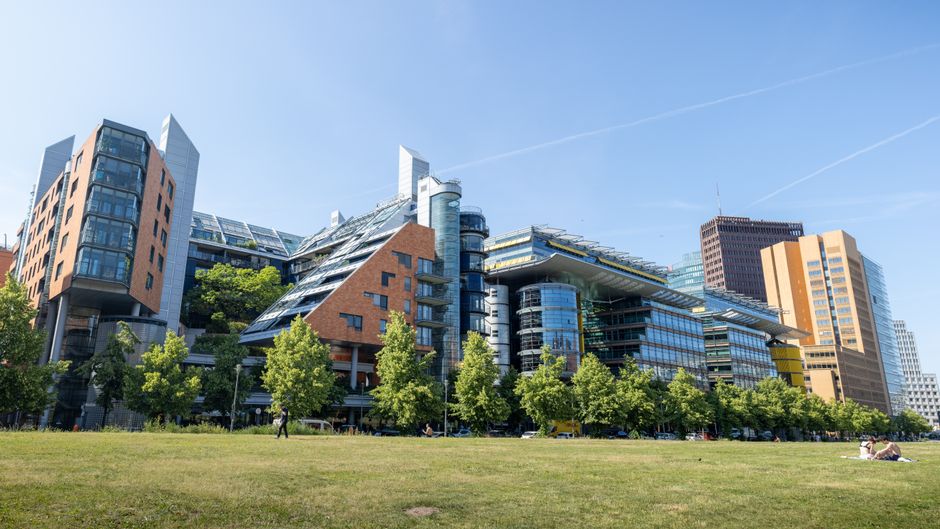
Walk through Mitte on any Tuesday afternoon and you'll find the paradox that defines Berlin's fintech identity: in converted factory spaces along Torstraße and in gleaming new offices near Checkpoint Charlie, a generation of founders is building financial infrastructure that Europe's established banks struggle to comprehend—let alone replicate.
What distinguishes Berlin from London's polish or Frankfurt's institutional muscle isn't just ambition. It's a particular genealogy. The city spent decades as a divided laboratory of competing economic systems. That history bred a deep skepticism toward centralised financial authority and a peculiar tolerance for institutional experimentation that venture capitalists now recognize as a competitive advantage.
Numbers tell part of the story. Berlin's fintech sector attracted €2.3 billion in venture funding in 2024—more than three times Frankfurt's figure—despite having a fraction of the traditional banking infrastructure. The city now hosts over 280 fintech startups, with particular strength in embedded finance, open banking infrastructure, and cross-border payment rails designed explicitly to circumvent legacy correspondent banking networks.
The ecosystem's real edge lies in its specificity. Unlike London's copycat culture or Silicon Valley's venture-capital monoculture, Berlin's fintech community remains demographically and ideologically diverse. Teams at companies like SolarisBank, headquartered in the Charlottenburg district, or the constellation of payment startups clustering around the Kreuzberg creative quarter, blend East German engineering precision with West German regulatory literacy in ways that newer tech hubs simply haven't replicated.
Regulators matter too. Berlin's proximity to BaFin headquarters in Frankfurt, combined with the German government's explicit bet on fintech as an economic regeneration strategy, has created a permission structure unavailable elsewhere. The city's regulatory sandbox, launched in partnership with the Federal Financial Supervisory Authority, has green-lit experimental approaches to stablecoin issuance and decentralized finance infrastructure that would face years of litigation in other jurisdictions.
What's emerging isn't a replica of London or New York. It's something genuinely new: a fintech ecosystem built on friction-reduction rather than disruption, on infrastructure rather than consumer apps, on the particular genius of a city that learned to function despite being split in two. That constitutional skepticism toward centralized financial authority—born from the Wall, refined through reunification—remains Berlin's most exportable asset.
This article was compiled by AI from the sources linked above and screened before publishing. See our editorial standards.