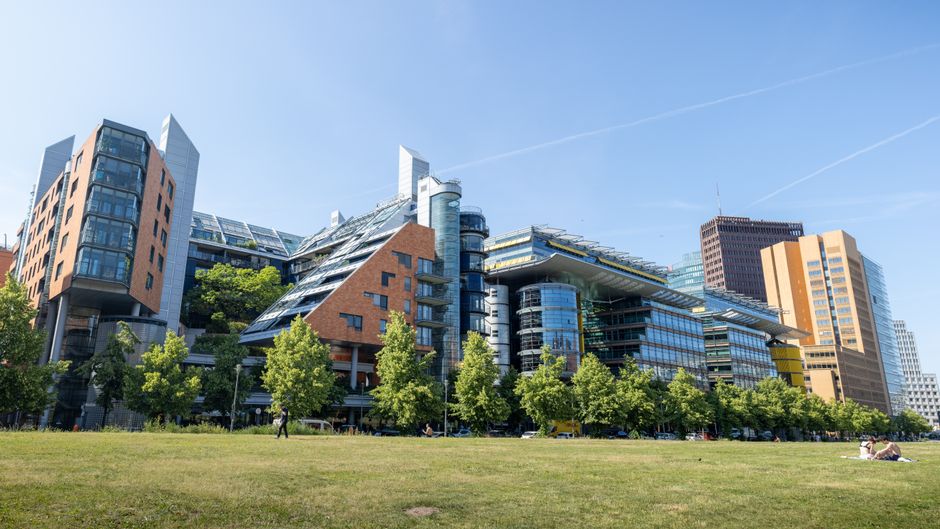
Berlin's technology sector has entered a new growth phase. New data released this month shows that venture capital investment in Berlin-based startups reached €2.3 billion in 2025—a 34 percent increase from the previous year—signalling that Europe's largest economy is doubling down on its commitment to innovation hubs beyond Silicon Valley.
The geographic concentration tells part of the story. Kreuzberg and Friedrichshain, historically alternative neighbourhoods, have become epicentres of tech activity. Spaces like Betahaus on Mehringdamm and the Zalando-anchored innovation district around Oberbaum City have attracted talent and capital flows that rival established European tech clusters. Real estate values in these areas have appreciated 18 percent annually since 2023, reflecting investor confidence.
Major corporations are increasingly backing this growth. SAP, headquartered in Walldorf but with a significant Berlin presence, committed €150 million to its local innovation lab last year. Siemens followed with a €200 million venture fund targeting AI and climate tech startups. These aren't token gestures—they represent structural bets on Berlin's ecosystem maturity.
What distinguishes Berlin's current trajectory from previous cycles is institutional depth. The Humboldt Forum on Museumsinsel now houses the Berlin Tech Council, a cross-sector initiative bringing together university researchers, corporate strategists, and government officials. The Technical University of Berlin's entrepreneurship programmes have expanded their funding to €45 million annually, creating direct pipelines from research to commercialisation.
International investors are noticing. American and Asian venture firms have opened dedicated Berlin offices. B-Ventures and Earlybird Venture Capital, homegrown firms, now manage over €1.2 billion in assets under management combined. This capital concentration matters: it reduces deal friction and encourages ambitious founder recruitment.
The investment story extends beyond traditional software. Berlin's climate tech and biotech sectors attracted €680 million in 2025, nearly triple the figure from three years ago. Companies clustered around the Adlershof technology park—including EQT Group's sustainability-focused initiatives—are attracting Series B and C funding rounds that previously would have migrated to Zurich or Amsterdam.
Not everything is frictionless. Housing affordability remains strained; median startup salaries have increased 22 percent in two years, while overall wage growth lags. The city government's target of reaching 1,000 active startups by 2027 requires sustained policy support.
Still, the numbers suggest Berlin has moved beyond hype. When the world's largest tech investors treat your city as a strategic priority—not an exotic experiment—the capital follows. Berlin's renaissance isn't rhetoric anymore. It's funded.
This article was compiled by AI from the sources linked above and screened before publishing. See our editorial standards.