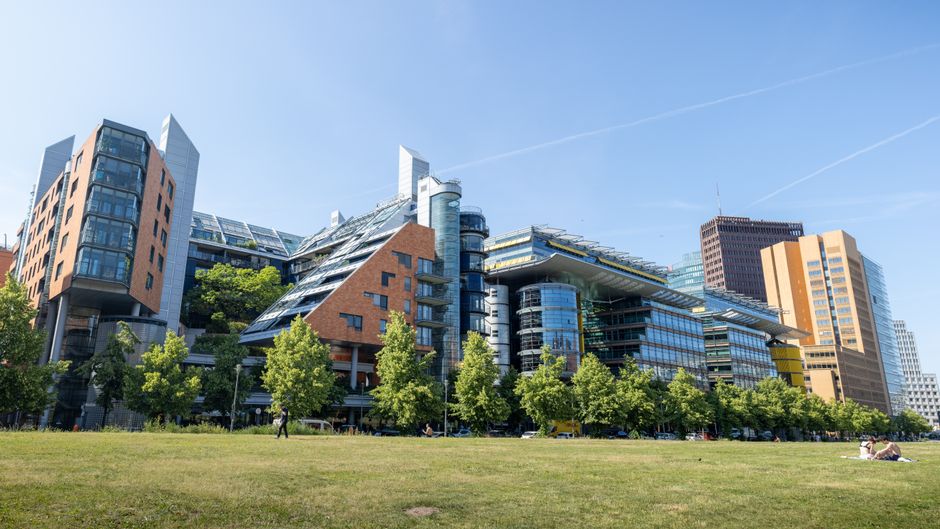
Berlin's reputation as Europe's scrappy startup capital has never been stronger. Last year alone, the city attracted €3.2 billion in venture funding, cementing its position alongside London and Paris as a continental tech powerhouse. Yet beneath the celebratory headlines about AI breakthroughs and unicorn valuations, a more complicated picture emerges—one where rapid growth threatens to upend the very qualities that made the city magnetic to innovators in the first place.
The shift is visible in neighborhoods like Kreuzberg and Friedrichshain, where sprawling tech campuses now occupy converted industrial spaces that once housed artist collectives. Rents in these areas have doubled in five years, pricing out the creative communities that helped incubate the innovation culture tech firms now profit from. The irony is not lost on residents watching established cafés on Kottbusser Damm shutter as commercial rents spike.
Beyond gentrification, Berlin's tech sector faces mounting ethical scrutiny. Several AI startups operating from modern offices along the Spree have come under fire for insufficient workforce diversity and gender equity—particularly acute in engineering roles. Meanwhile, data privacy concerns plague companies handling sensitive information about German citizens, a population notably protective of personal freedoms following historical surveillance traumas. Recent investigations into labor practices at logistics-tech firms have also raised uncomfortable questions about how innovation is built and at whose expense.
The sustainability angle adds another layer. Berlin promotes itself as a green-tech hub, yet the energy demands of data centers and AI model training contradict the city's climate commitments. Industry water consumption remains largely unregulated, a concerning gap as chipmakers and compute-intensive operations expand.
Established institutions are waking to these tensions. The Humboldt University and Technische Universität Berlin have launched ethics-focused research programs, while initiatives like the Responsible AI Berlin network bring together founders, policymakers, and civil society to wrestle with governance questions. Debate now swirls around whether Berlin should impose stricter regulatory frameworks—potentially cooling investment—or risk becoming a tech metropolis with little regard for the human cost.
The stakes feel high. Berlin's previous decades of creative rebellion and independent thinking represented genuine alternatives to Silicon Valley's extractive model. Whether the city can scale its tech ambitions while protecting that ethos remains the defining challenge of this decade. The answer will determine whether Berlin becomes another generic innovation hub, or something genuinely different.
This article was compiled by AI from the sources linked above and screened before publishing. See our editorial standards.