Berlin's Coworking Giants Unveil Roadmap: What's Coming Next in Remote Work Tech
As the city's flexible workspace market matures, operators are betting on AI-driven booking, biometric access, and seamless hybrid infrastructure to compete globally.
As the city's flexible workspace market matures, operators are betting on AI-driven booking, biometric access, and seamless hybrid infrastructure to compete globally.
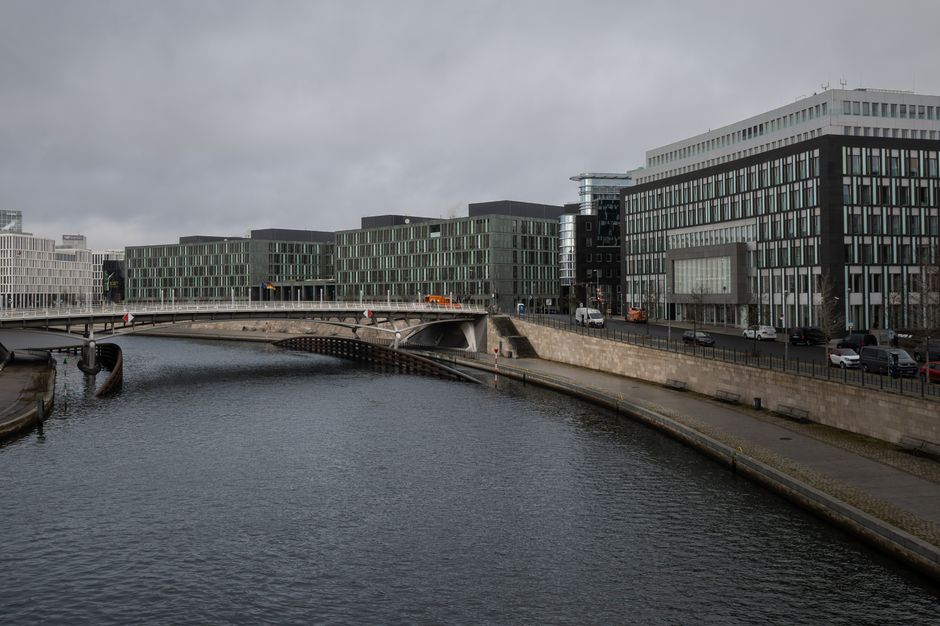
Berlin's coworking landscape has undergone seismic shifts since 2020, transforming from a niche startup amenity into a €450-million-plus annual market. Now, as the sector stabilizes post-pandemic, the city's leading operators are rolling out a new generation of technologies designed to fundamentally reshape how remote workers and distributed teams operate.
The developments emerging from Kreuzberg's WeWork campus and challenger operators scattered across Friedrichshain tell a consistent story: the future of coworking is about intelligent, frictionless integration rather than mere desk availability. Operator roadmaps through 2027 centre on three core pillars—AI-powered resource allocation, biometric access systems, and enterprise-grade hybrid meeting infrastructure.
"We're seeing demand for spaces that can morph," explains the sector, with operators investing in modular booking systems that use machine learning to predict peak occupancy and dynamically adjust pricing. Several major players have committed to rolling out real-time workspace intelligence dashboards by Q4 2026, allowing teams to reserve everything from collaboration pods in Mitte to quiet focus zones in Charlottenburg from a single app.
Biometric authentication represents another frontier. By early 2027, expect fingerprint and facial-recognition entry systems at premium facilities across the Mitte-Kreuzberg corridor—a response to hybrid security demands from enterprise clients. Privacy advocates have flagged concerns, but operators argue the infrastructure mirrors standards already adopted in Singapore and Toronto's leading coworking hubs.
The most ambitious development involves real-time hybrid meeting technology. Berlin-based firms like SoundCloud and Zalando have grown increasingly frustrated with video conferencing limitations when hosting distributed teams. Coworking operators are now integrating spatial audio, AI-powered translation, and immersive video walls into their booking systems—positioning shared spaces as command centres for hybrid work rather than mere desk substitutes.
Pricing reflects this evolution. Premium hybrid-enabled spaces in Prenzlauer Berg now command €35-45 per day, up from €20-25 three years ago. However, operators are banking on bundled enterprise contracts to offset potential demand softening. Several announced plans to launch subscription tiers offering tiered access across their portfolio—a strategy that directly challenges traditional office leasing.
The real test arrives later this year. As German corporates make permanent remote-work policy decisions following the EU's workplace flexibility directive, whether Berlin's coworking infrastructure—now laden with AI and biometric bells—truly addresses the hybrid work challenge remains uncertain. Operators are betting it will. The roadmap suggests they're investing heavily on that conviction.
This article was compiled by AI from the sources linked above and screened before publishing. See our editorial standards.
How does this story make you feel?
Spread the word
About this article
Published by The Daily Berlin
Daily brief
Free, in your inbox before 7am. Weekdays.
More in tech


