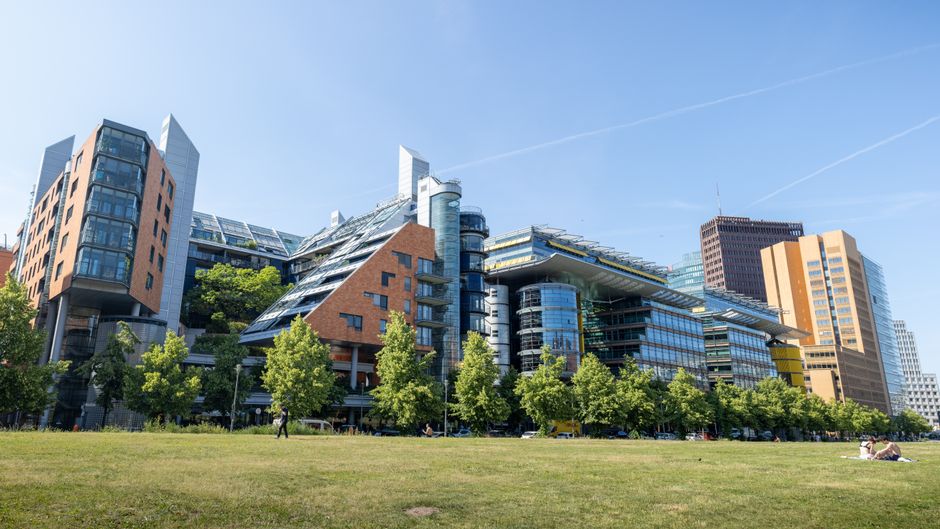
Berlin's coworking sector is experiencing a seismic shift. What began as a niche movement of freelancers clustering in Mitte and Kreuzberg has evolved into a multi-billion-euro investment play, with venture capitalists and real estate giants pouring capital into the city's flexible workspace infrastructure at unprecedented rates.
The numbers tell a compelling story. Global coworking inventory has tripled since 2019, with Berlin capturing an outsized share of European growth. Major operators—from WeWork's resurgence to European challengers like Spaces and The Spaces—are aggressively leasing prime real estate across the city. In Friedrichshain, former industrial warehouses on Ostkreuzstraße now command premium membership fees, while Charlottenburg's emerging tech corridor sees similar demand spikes. Local operators report membership growth of 35-40 percent annually, with average hot-desk rates hovering between €280-€450 monthly, depending on location and amenities.
What's driving this frenzy? The venture funding ecosystem itself. Since 2022, European coworking startups have collectively raised over €1.2 billion, with Berlin-based platforms attracting particular attention. Funding rounds targeting software solutions—booking systems, community management, hybrid-work integration—have proliferated. Corporate relocation policies, accelerated by post-pandemic realities, created stable demand from companies seeking flexibility without long-term lease commitments. Enterprise clients now represent 60-70 percent of revenue for established operators, a dramatic shift from the bootstrapped startup days of the early 2010s.
The investment narrative extends beyond day-passes and desk rentals. Real estate developers are treating coworking as an anchor tenant strategy, bundling flexible workspace with residential and hospitality offerings. Berlin's densification agenda—particularly in Lichtenberg and Tempelhof-Schöneberg—has made coworking integral to urban planning conversations. Property valuations reflect this: buildings with integrated coworking components command 15-20 percent premiums over traditional office stock.
Yet the sector faces headwinds. Economic uncertainty has cooled some expansion plans, and overbuilding in competitive neighbourhoods is creating pricing pressure. The sustainability question also looms: can coworking operators maintain occupancy rates as corporations recalibrate return-to-office policies? Insiders suggest the answer lies in hybridization—operators must evolve beyond desk-sharing toward comprehensive workplace solutions, blending physical space with digital infrastructure.
As Berlin solidifies its position as Europe's coworking capital, investors remain bullish. Consolidation among mid-tier players is expected, likely driving further capital concentration. For the city itself, the challenge is ensuring this growth serves workers and startups—not just institutional money.
This article was compiled by AI from the sources linked above and screened before publishing. See our editorial standards.