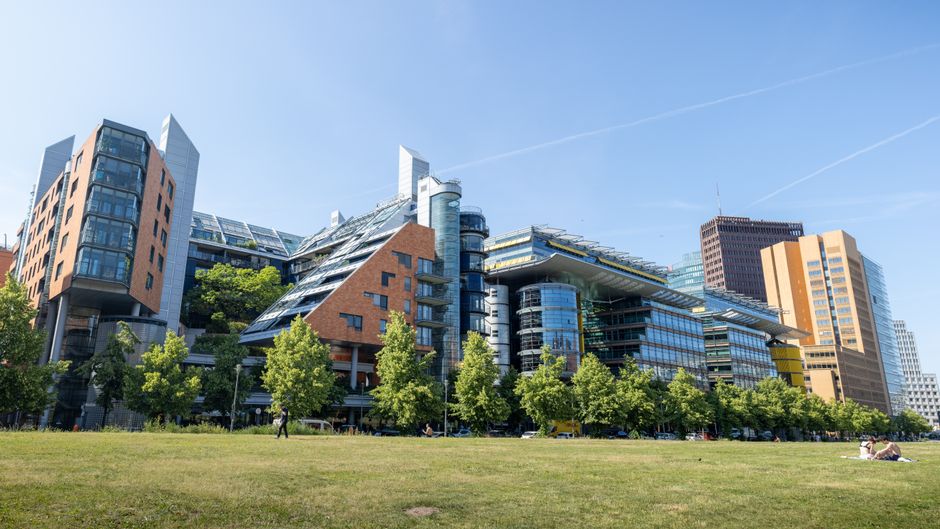
Berlin's transformation into a "smart city" is accelerating. Last month, the Senate approved a €240 million investment in digital infrastructure across Mitte, Friedrichshain, and Kreuzberg. New sensor networks monitor air quality in real-time. Traffic lights on Unter den Linden now adjust dynamically to flow patterns. Waste bins in Prenzlauer Berg send alerts when full. On the surface, it sounds like progress.
But in the basement of the Stadtmuseum Berlin on the Köpenicker Straße, a very different conversation is happening. The Museum of Digital Culture's recent exhibition "City as Laboratory" asked visitors a blunt question: whose city are we actually building?
The risks are becoming impossible to ignore. Data security breaches at municipal authorities have exposed citizens' personal information. A 2025 audit by the Berlin Data Protection Commissioner flagged 47 separate vulnerabilities in newly deployed smart systems. More troublingly, algorithmic decision-making in resource allocation—which neighbourhoods get faster internet upgrades, which streets get priority snow-clearing—risks embedding existing inequalities into code.
Privacy advocates worry that the proliferation of sensors creates what amounts to comprehensive digital surveillance. A network of 8,000+ new cameras and IoT devices across the city collects data that, while technically anonymised, can be re-identified. The potential for mission creep—today's traffic management becoming tomorrow's protest tracking—keeps civil liberties organisations awake at night.
There's also the equity question. Tech-forward districts like Charlottenburg already benefit disproportionately from infrastructure investment. Meanwhile, less affluent areas like Köpenick or Spandau lag behind in broadband and digital services. Smart city initiatives risk creating a two-tier Berlin.
Yet the alternative—ignoring digital transformation—isn't realistic. Berlin's 3.6 million residents face genuine urban challenges: congestion, pollution, housing shortages. Smart systems, properly governed, can help. The Mobility Hub at Europa-Platz demonstrates this: integrated public transport data, real-time bike-sharing availability, and coordinated parking have measurably reduced congestion and emissions.
The question isn't whether Berlin should go smart. It's how. That requires robust oversight: independent audits of algorithmic systems, genuine public consultation—not token engagement—and enforceable data protection standards that go beyond GDPR minimums. It means ensuring digital dividends reach underserved neighbourhoods. And it demands that technologists and planners sit down regularly with the communities actually living in these neighborhoods.
Berlin has always been a city of reinvention. This time, the stakes include not just infrastructure, but democracy itself. Getting smart cities right matters.
This article was compiled by AI from the sources linked above and screened before publishing. See our editorial standards.