How Berlin's Health-Conscious Residents Built Prevention Into Their Daily Routines
From Tiergarten morning runs to workplace screenings in Mitte, locals share the practical habits that keep them ahead of health issues.
From Tiergarten morning runs to workplace screenings in Mitte, locals share the practical habits that keep them ahead of health issues.
Berlin's wellness culture has shifted decisively toward prevention. Rather than waiting for symptoms, a growing cohort of residents across Charlottenburg, Kreuzberg, and Friedrichshain have woven screening awareness and protective habits into their everyday lives—and the results are quietly reshaping how this city approaches health.
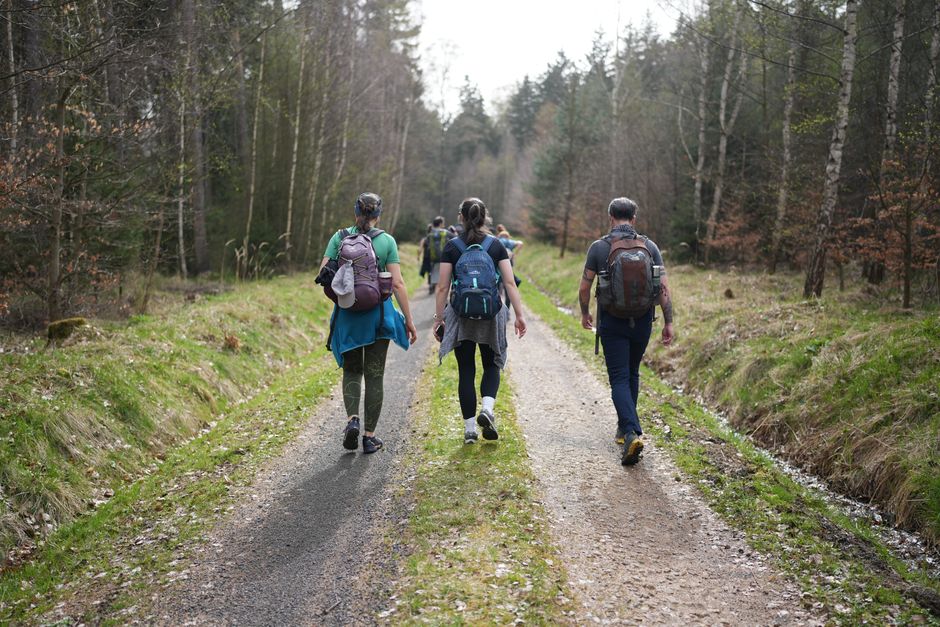
The pattern begins early. Morning runs through Tiergarten have become more than exercise; they're ritualistic health checkpoints. Regular movers notice changes in stamina, recovery, and energy that often flag underlying issues before they become serious. Local running clubs on the Tiergarten loop report that members frequently discuss health metrics with friends, creating informal peer accountability for annual check-ups and preventive screenings.
At workplace level, Berlin's tech and creative sectors have begun normalising occupational health screenings. Companies operating from hubs in Kreuzberg and Prenzlauer Berg increasingly offer on-site blood pressure checks and ergonomic assessments—practices previously reserved for larger corporations. Many employees now schedule their annual physical examinations during spring and autumn, aligning with natural energy cycles.
The Berlin health insurance system supports this trend. Most statutory insurers (AOK, TK, DAK) cover annual preventive check-ups for adults, including cardiovascular risk assessment and cancer screening eligibility. Out-of-pocket costs for additional screening packages typically range from €150–400, making layered prevention accessible to middle-income residents.
Neighbourhood-level initiatives amplify the habit. Outdoor gyms dotted across Prenzlauer Berg and Tempelhof encourage regular movement tracking, while Wannsee's bathing season (May through September) has become a natural health marker—locals notice if they've missed swimming for weeks, prompting reflection on overall fitness. Cycling infrastructure across the city itself serves as a daily health indicator; residents who've shifted commutes to bike routes report heightened body awareness.
Preventive dentistry and vision checks have similarly become routine. Several practices around Charlottenburg U-Bahn and in Friedrichshain offer combined wellness packages bundling dental, optical, and general health screenings at discounted rates—a model that's gaining traction among cost-conscious younger professionals.
The cumulative effect is subtle but measurable. Berlin's preventive health culture thrives not through dramatic gestures but through normalised daily choices: the morning route through Tiergarten becomes a wellness metric, the annual check-up becomes non-negotiable conversation material, and the city's infrastructure itself—its parks, lakes, and cycling paths—reinforces the habit of paying attention to how your body feels.
For anyone adopting these practices, consulting your local GP or Hausarzt remains essential for personalised screening recommendations.
This article was compiled by AI from the sources linked above and screened before publishing. See our editorial standards.
How does this story make you feel?
Spread the word
About this article
Published by The Daily Berlin
Daily brief
Free, in your inbox before 7am. Weekdays.
More in Wellness