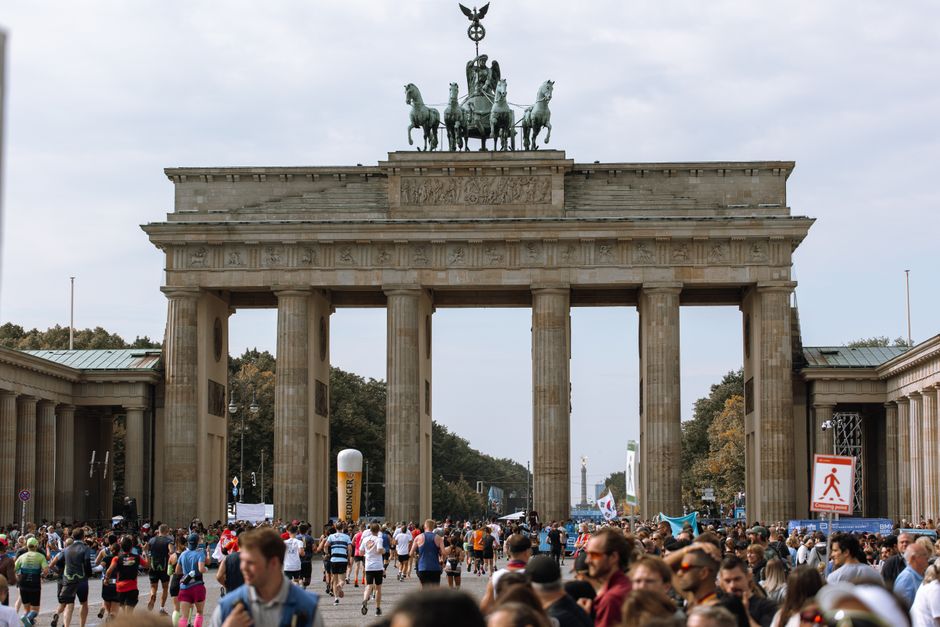
From Couch to Kilometers: How Berlin's Running Community Is Reshaping Local Fitness Culture
Across Tiergarten's winding paths and Wannsee's lakeside trails, everyday Berliners are discovering that transformation starts with a single stride.
Across Tiergarten's winding paths and Wannsee's lakeside trails, everyday Berliners are discovering that transformation starts with a single stride.
The morning fog lifts over the Landwehr Canal as runners emerge along the Tiergarten's 210 hectares of interconnected trails. What was once a quiet corner of Berlin's wellness landscape has become something altogether different: a proving ground for personal reinvention, one kilometer at a time.
The shift has been gradual but unmistakable. Community running groups have flourished across the city's districts, with established meetup points transforming neighbourhoods. The Tiergarten hub, accessible via S-Bahn stations at Tiergarten and Zoologischer Garten, now hosts multiple organised runs weekly. Wannsee's 8.5-kilometre loop attracts swimmers-turned-runners seeking lower-impact terrain, while the Spree Path from Friedrichshain to Köpenick offers urban runners an industrial-meets-nature aesthetic that draws newcomers year-round.
Berlin's outdoor gym network—over 80 stations across the city, many clustered in Prenzlauer Berg and Charlottenburg—has become an unexpected catalyst. These free, accessible facilities remove traditional barriers to fitness engagement. Nearby, local running clubs operate on a donation basis, creating pathways for people of varying fitness levels to participate without financial gatekeeping.
The cycling infrastructure that Berlin invested in during the past decade—over 770 kilometres of designated tracks—has created a cultural permission structure. As two-wheeled commuting normalised, running followed. The Tempelhofer Feld, Berlin's defunct airport turned public space, now draws thousands weekly to its 6.5-kilometre perimeter loop. Accessible via U-Bahn line 6, it remains one of the city's most democratic fitness spaces.
What distinguishes Berlin's approach is its integration with social infrastructure. Local health insurance providers increasingly offer subsidised running programmes through city-based organisations. Yoga studios in Kreuzberg and Neukölln have partnered with running collectives, creating hybrid wellness offerings that address both cardiovascular and mental health. This interconnectedness matters: research from Germany's Robert Koch Institute shows that community-based exercise participation increases adherence by 40 percent compared to solo activities.
The trails themselves tell stories of transformation. Regulars along the Landwehr Canal report unexpected friendships formed during early morning runs. The Grunewald forest's 30-kilometre network attracts those seeking solitude, while the Spandauer Forst appeals to those wanting structured route options with clear signage in multiple languages—reflecting Berlin's international population.
These aren't exceptional athletes. They're Berliners who discovered that accessible infrastructure, welcoming community structures, and the city's distinctive landscape created conditions for sustainable change. For anyone considering starting: consult local medical professionals about appropriate running intensity, and explore Berlin's extensive trail network through free mapping apps that highlight accessibility and surface types.
This article was compiled by AI from the sources linked above and screened before publishing. See our editorial standards.
How does this story make you feel?
Spread the word
About this article
Published by The Daily Berlin
Daily brief
Free, in your inbox before 7am. Weekdays.
More in Wellness