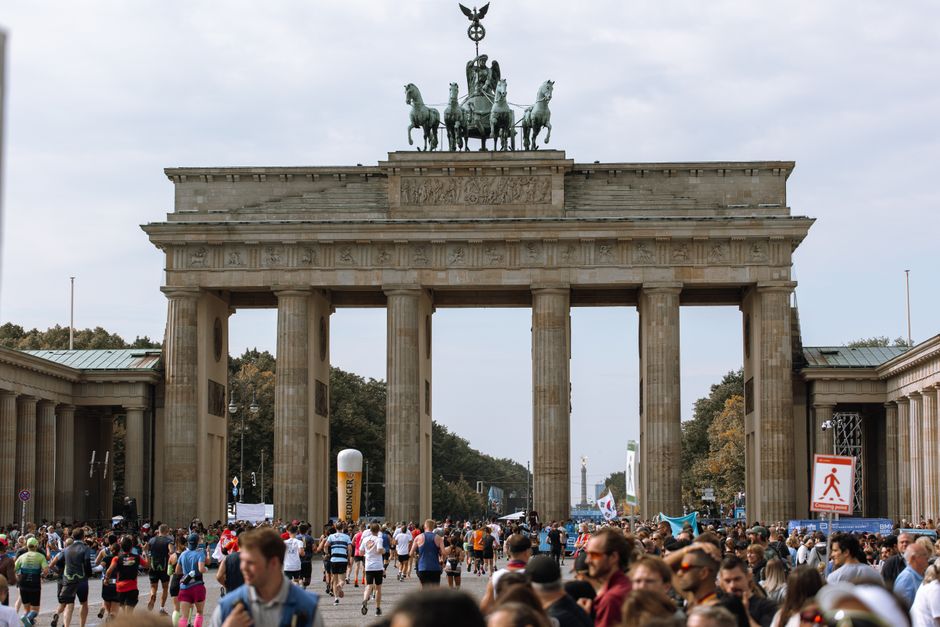
Start a Walking Group in Berlin: Local Guide
Launch a neighbourhood walking group in Berlin with our step-by-step guide. Find routes, build community, and establish your local fitness initiative today.
Launch a neighbourhood walking group in Berlin with our step-by-step guide. Find routes, build community, and establish your local fitness initiative today.
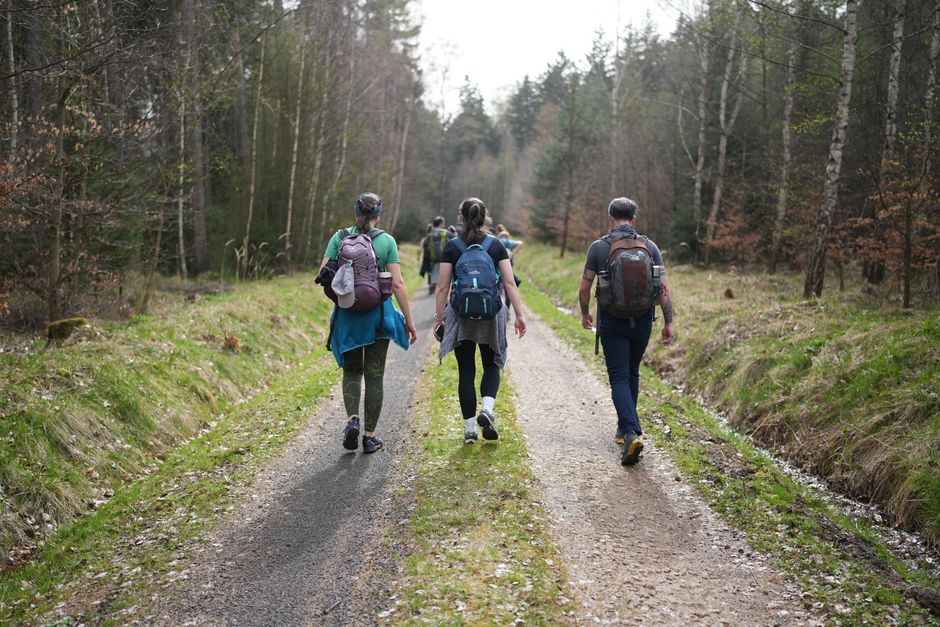
Walking groups have become a fixture of Berlin's wellness landscape, from the leafy paths around Tiergarten to the waterfront routes at Wannsee. If you've noticed clusters of neighbours rambling together through Charlottenburg or Kreuzberg, you might be wondering: could I start something like that in my own district?
The answer is almost certainly yes. Berlin's progressive fitness culture and extensive cycling and pedestrian infrastructure make neighbourhood walking groups surprisingly easy to establish. The key is starting small and being intentional about logistics.
Begin by identifying your core audience and route. Scout 5-8km circuits through your neighbourhood—Prenzlauer Berg's tree-lined streets, the Landwehr Canal towpath in Tiergarten, or the Spree embankments in Friedrichshain all work beautifully. Use apps like Komoot or AllTrails to map terrain and share routes digitally. Most successful groups walk twice weekly, typically early morning (7-8am) or evening (6-7pm), when participation is highest.
Next, build your founding group. Post on neighbourhood WhatsApp channels, local Facebook groups, or apps like Nextdoor Berlin. Local running clubs and outdoor gym communities—Berlin has over 40 public fitness stations citywide—are also valuable networks. Aim for 5-10 committed walkers before your first official outing; small groups generate trust and momentum.
Formalise minimally. You don't need to register formally unless you're planning monthly events and want liability insurance (around €100-200 annually through organisations like the Deutschen Wanderverband). Most Berlin groups operate informally via WhatsApp or Telegram, posting weekly schedules and route photos.
Set clear norms: pace (moderate, conversational speed works for most), distance, weather policies, and whether dogs or children are welcome. Transparency prevents mismatches. A simple rotating leadership structure—different members lead alternate weeks—builds ownership and sustainability.
Consider partnerships. Local cafés, outdoor gyms, or parks departments sometimes support groups with sponsorship or venue access. The Grüne Liga Berlin and similar environmental organisations occasionally connect with fitness groups for joint initiatives.
Finally, track momentum through simple metrics: attendance patterns, retention rates, and whether members invite friends. Groups that reach 15-20 regular members often naturally subdivide into pace-specific cohorts, which is healthy growth.
Berlin's neighbourhoods—whether Wedding's gentrifying streets or the quieter reaches of Köpenick—benefit from human connection and shared movement. Your walking group isn't just exercise; it's community infrastructure. Start this week.
This article was compiled by AI from the sources linked above and screened before publishing. See our editorial standards.
How does this story make you feel?
Spread the word
About this article
Published by The Daily Berlin
Daily brief
Free, in your inbox before 7am. Weekdays.
More in Wellness