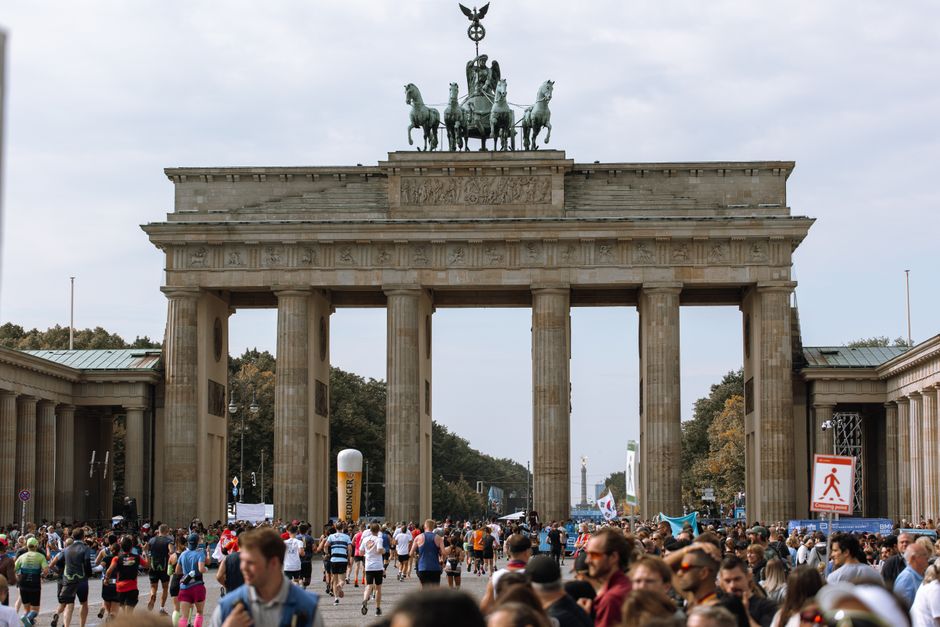
Berlin's running culture has quietly become one of Europe's most accessible health movements. Unlike boutique fitness studios charging €25 per class, the city's extensive trail network costs nothing—yet delivers measurable results for hundreds of residents who've made outdoor running their cornerstone wellness practice.
The Tiergarten circuit remains the epicenter. This 520-hectare park attracts runners of all levels, from absolute beginners tackling the 3.2-kilometer perimeter loop to serious athletes using the flatter internal paths for tempo work. The consistent foot traffic reflects a shift: between 2023 and 2025, Berlin's registered running clubs grew by 18 percent, according to the Deutscher Leichtathletik-Verband. Many cite the psychological benefits of green-space running alongside cardiovascular gains.
Beyond Tiergarten, the Spree's eastern embankment—stretching from Friedrichshain through Kreuzberg to Treptow—offers a scenic 12-kilometer corridor where runners encounter genuine community. The path's popularity has spawned informal running groups meeting three times weekly at Ostkreuz station, a trend mirrored along the Landwehr Canal in Charlottenburg-Wilmersdorf.
What distinguishes Berlin's outdoor fitness renaissance is its democratic accessibility. The Tiergarten charges nothing for entry; Wannsee's running paths around the lake (ideal for longer weekend efforts) remain free. Compare this to indoor gym memberships averaging €40–60 monthly, and the economic barrier to transformation virtually disappears.
Local wellness organizations have recognized this momentum. Lauf&Freunde, a Berlin-based community running initiative, now coordinates weekly meetups across twelve neighborhoods, with sessions tailored for beginners, recovery runners, and those training for competitive events. Their model—free participation, volunteer-led structure—has attracted over 2,400 active members since launching in 2023.
The health data suggests real outcomes. Participants in structured outdoor running programs report improved sleep quality, reduced resting heart rate, and measurable stress reduction—benefits documented in the city's growing body of wellness research. One consistent finding: runners who commit to Berlin's trail network for 12 weeks show cardiovascular improvements comparable to gym-based programs, without the cost or environmental footprint.
For Berliners seeking transformation, the invitation is clear: lace trainers, head to Tiergarten or the Spree path, and join the thousands redefining their health one kilometer at a time. The infrastructure exists. The community exists. The only requirement is showing up.
For personalized guidance on starting a running program or addressing existing health concerns, consult a local GP or sports medicine professional.
This article was compiled by AI from the sources linked above and screened before publishing. See our editorial standards.