Five Daily Habits Berlin Residents Swear By to Manage Stress and Anxiety
From canal-side meditation to lunchtime cycling, locals share the practical routines that have quietly transformed their mental wellbeing.
From canal-side meditation to lunchtime cycling, locals share the practical routines that have quietly transformed their mental wellbeing.
Berlin's wellness culture has always thrived on authenticity and pragmatism, and nowhere is this more evident than in how residents approach stress management. Rather than chasing trendy interventions, many Berliners have embedded simple, repeatable habits into their daily lives—with measurable results for their mental health.
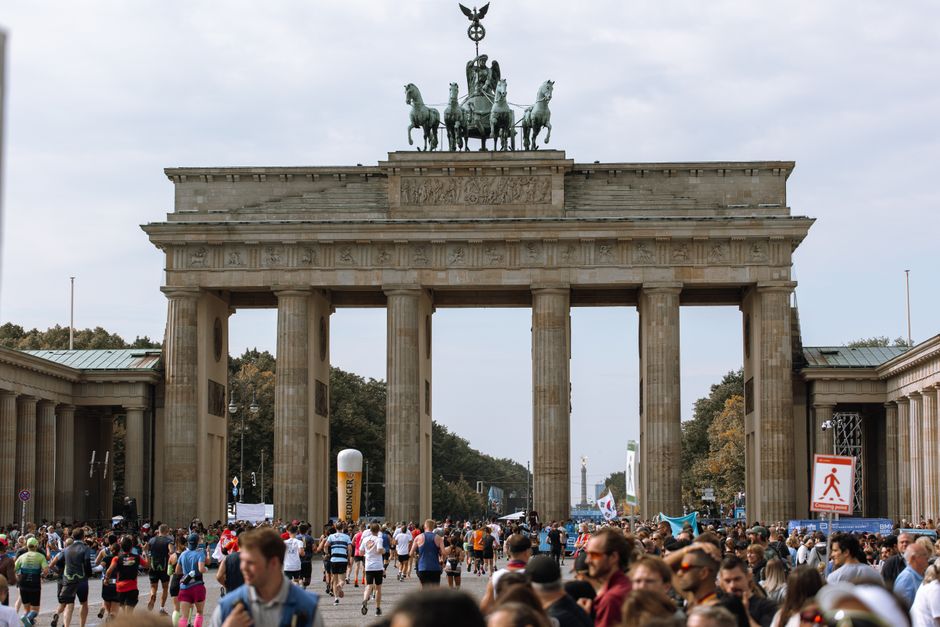
The most consistent pattern emerging across the city is the morning movement ritual. Whether it's a 20-minute run through Tiergarten before work or a bike ride along the Landwehr Canal toward Friedrichshain, locals cite the rhythm of physical activity as their primary stress buffer. A 2024 Berlin health survey found that 64% of regular exercisers reported improved mood stability, compared to 38% of non-exercisers. The beauty lies in simplicity: no gym membership required, no performance pressure.
Workplace mindfulness breaks have gained serious traction in central districts. Many professionals now block 10 minutes between meetings—not for email, but for breathing exercises or stepping outside. Several co-working spaces on Oranienburger Strasse and around Kreuzberg have begun offering dedicated quiet zones, recognising that mental recovery is as important as productivity.
Water-based transitions are another surprisingly effective habit. Locals describe how a morning shower or a brief swim at Wannsee serves as a psychological reset. Others mention simply standing by the Spree during lunch, watching water movement. The sensory shift appears to interrupt stress cycles more effectively than scrolling phones.
Evening journaling or creative practice—sketching, writing, playing music—has become commonplace, particularly in Neukölln and Wedding where DIY culture runs deep. No special training needed; the habit itself, repeated consistently, builds emotional resilience.
Perhaps most revealing is how Berliners talk about their wellness routines: without guilt or perfectionism. A resident might miss a day's run but maintain their breathing practice. Another cycles irregularly but never skips their evening creative time. The emphasis is on sustainability over intensity.
Local wellness organisations like those operating out of community centres across Mitte and Prenzlauer Berg often offer free or low-cost mindfulness classes (typically €8–15 per session), making these habits accessible across income levels. This democratic approach aligns with Berlin's values: effective mental health support shouldn't depend on expensive memberships.
The pattern is clear: stress management in Berlin works best when it's woven into existing routines, uses the city's natural infrastructure, and requires minimal friction. Big transformations, locals suggest, come from small, consistent actions—not revolutionary overhauls.
For personalised mental health support, consult a local GP or therapist. Berlin's Telefonseelsorge (0800 111 0 111 or 0800 111 0 222) offers free, confidential counselling 24/7.
This article was compiled by AI from the sources linked above and screened before publishing. See our editorial standards.
How does this story make you feel?
Spread the word
About this article
Published by The Daily Berlin
Daily brief
Free, in your inbox before 7am. Weekdays.
More in Wellness