Berlin Walkers Have Cracked the Code: The Daily Trails Locals Actually Stick To
From a quick Tiergarten loop before work to a full Wannsee circuit on weekends, Berliners are building walking habits that last, here's the ranked guide they rely on.
From a quick Tiergarten loop before work to a full Wannsee circuit on weekends, Berliners are building walking habits that last, here's the ranked guide they rely on.
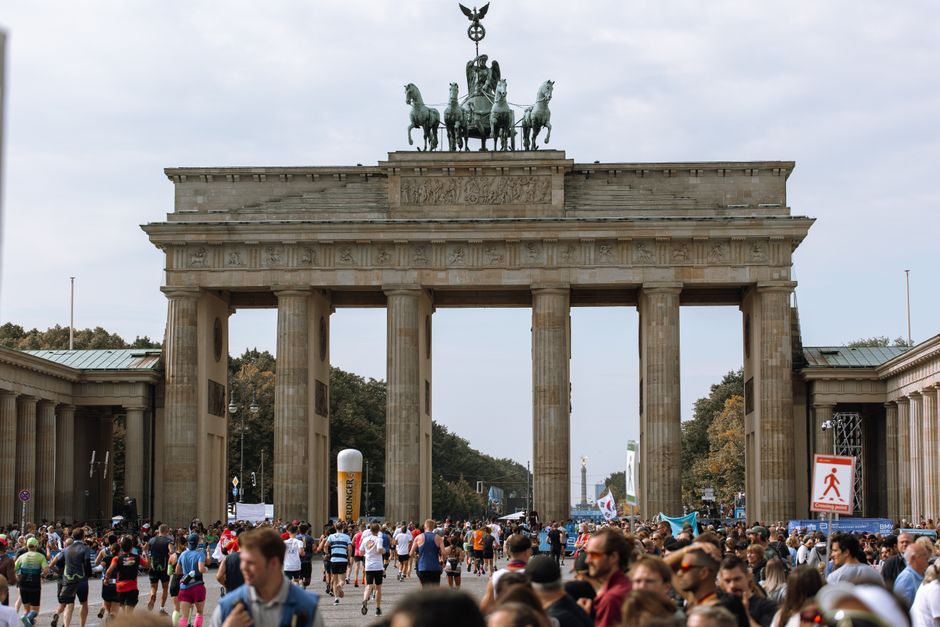
Berliners walk. A lot. The city's 2025 Mobility Survey, published by Senatsverwaltung für Mobilität in March, found that 31 percent of all trips in Berlin are made on foot, higher than the EU urban average of 22 percent. What's changed recently isn't the numbers but the intention: a growing slice of the population is treating specific named routes as structured daily or weekly habits rather than incidental travel. Fitness app data from Komoot, which has Berlin as its second-largest user city in Europe after Amsterdam, shows trail completions in the capital rose 18 percent between January and June 2026 compared to the same period last year.
The timing matters. July in Berlin is peak outdoor season, but it also arrives alongside a broader European conversation about sustainable low-cost fitness. With gym memberships at chains like McFit averaging €19.90 a month and rising, and with heat across the continent making midday exercise difficult, morning and evening walking has become the default movement habit for thousands of residents. The city's infrastructure, 960 kilometres of dedicated paths, free outdoor gyms in 80 parks, and BVG connections to every major green corridor, makes it unusually easy to embed a walk into an existing commute or lunch break.
Tiergarten Inner Loop (3.2 km, Easy). This is the everyday workhorse. The gravel path circling the Neuer See lake inside Tiergarten, accessible from the S-Bahn Tiergarten station on the S5 line, takes roughly 35 minutes at a brisk pace. Runners share it with pushchairs and dog walkers from 6 a.m. Locals in Mitte and Moabit treat this as a before-breakfast ritual. The Café am Neuen See on Lichtensteinallee rents rowboats from €12 an hour and opens at 9 a.m. daily, useful as a post-walk landmark that gives the habit a social anchor.
Grunewald Forest Trail to Teufelsberg (8.5 km, Moderate). Starting from the S7 stop at Grunewald station, this route climbs 115 metres to the Teufelsberg radar tower, Berlin's highest artificial hill, built from Second World War rubble. The forest sections on Havelchaussee are shaded and well-marked. Locals who do this weekly typically pack it into a Saturday morning, finishing before noon to avoid weekend crowds. The Deutsche Wanderverband classifies it as Grade 2, meaning uneven terrain but no technical skill required. Round-trip takes about two hours at a conversational pace.
Wannsee Lakeside Circuit (14 km, Moderate-Challenging). The full loop around Großer Wannsee, beginning at S-Bahn Wannsee station, is Berlin's longest accessible day walk without leaving city limits. Strandbar Wannsee, the public lido on Wannseebadweg that charges €6.50 adult entry in summer, sits at the midpoint and has become a natural rest stop that rewards completion of the first half. The southern bank through Nikolskoe forest adds rough woodland paths that punish inadequate footwear. Regulars advise starting by 8 a.m. on summer weekends. Distance trackers on Strava show an average moving time of 2 hours 45 minutes for local users who log this route.
The habit-stacking approach is consistent across the walkers who actually keep at it. They attach a route to something pre-existing: the Tiergarten loop to the commute, Teufelsberg to a standing Saturday arrangement with a friend, Wannsee to a monthly family outing. The ADFC Berlin cycling and active-transport advocacy group runs free monthly walking events called Sonntagsspaziergänge, Sunday walks, departing from Alexanderplatz, which function as low-pressure entry points for people who want structure without commitment.
For anyone starting out, the Berliner Wanderverein, founded in 1892 and still based in Prenzlauer Berg, publishes a free printed route map available at most Stadtbibliothek branches. Digital users can filter Komoot routes by the tag 'Berlin-Alltag' to find paths other city residents have marked as genuinely repeatable rather than scenic one-offs. Start with the Tiergarten loop three mornings a week. Add the Grunewald trail monthly. Build toward Wannsee. It sounds formulaic because it is, and that, according to the habit research, is precisely why it works. Consult your Hausarzt if you are managing any underlying health conditions before significantly increasing your daily step count.
How does this story make you feel?
Spread the word
About this article
Published by The Daily Berlin
Daily brief
Free, in your inbox before 7am. Weekdays.
More in Wellness


