wellness
Berlin's Hidden Nature Walks Transform Locals' Health and Wellbeing
From Tempelhof's wild edges to the Grunewald's hidden ravines, Berliners are finding that the city's overlooked green corridors are doing more than just clearing their heads.
Listen in English · 4 min
How we reported this
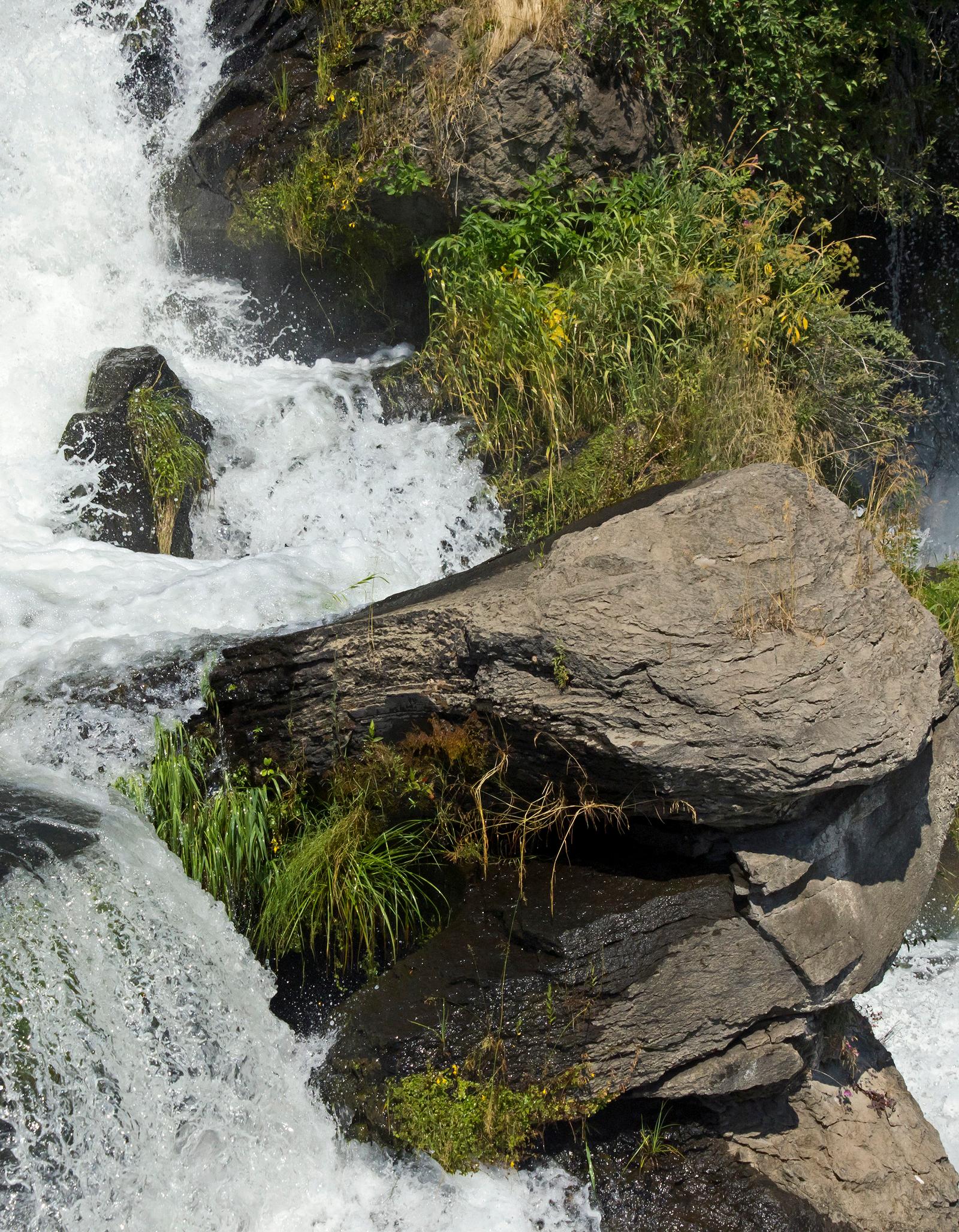
Every weekend, roughly 400 regulars show up before 9 a.m. at Tempelhofer Feld's southeastern perimeter, not for the famous runway loop that appears in every travel blog, but for the unmowed grassland strips along the Columbiadamm fence line that most visitors never reach. They walk slowly, deliberately, sometimes alone. Several have been doing it for three or four years, and a handful say the habit replaced medication they'd been taking for anxiety or insomnia.
This is not a formal program. There is no app, no coach, no branded T-shirt. But across Berlin's less-photographed green spaces, an informal culture of therapeutic walking has taken root, and the health outcomes, backed by a growing body of European research, are hard to dismiss.
Why This Moment Matters
Europe is in the middle of a broader reassessment of what urban green space actually does to human physiology. A 2025 report from the European Environment Agency found that residents who spend at least 120 minutes per week in natural environments report significantly better self-rated health and lower stress hormone levels than those who do not, and Berlin, with 44 percent of its surface area classified as green or water, is unusually well-positioned to deliver that dose. Global heat trends have pushed the conversation further: after cities across the northern hemisphere logged abnormal summer temperatures in June 2026, urban planners and GPs alike are rethinking greenery as infrastructure, not decoration.
The Berlin Senate's Stadtentwicklung department flagged in its 2025 urban health review that Neukölln, Mitte and Lichtenberg residents have statistically lower access to large contiguous green corridors compared to those in Charlottenburg-Wilmersdorf or Steglitz-Zehlendorf. That gap, the report noted, correlates with measurable differences in reported mental health outcomes across the twelve districts.
Which is precisely why the walks that matter most to local health transformations tend to happen in places the tourist maps skip entirely.
The Routes Regulars Won't Tell You About
The Schönholzer Heide in Pankow, a 56-hectare former garden cemetery that never made it into mainstream green-space rankings, has developed a quiet following among residents managing long-Covid fatigue. The tree canopy there, mostly old linden and oak, keeps temperatures 4 to 6 degrees cooler than the surrounding streets of Niederschönhausen even on the hottest July afternoons. The Grüner Weg walking loop inside the Heide takes about 45 minutes at a recovery pace.
Further southwest, the Pfaueninsel causeway walk in Zehlendorf, a 20-minute ferry ride from Wannsee S-Bahn station, ferry ticket €4 return, draws a different crowd: older walkers, many post-cardiac, who come for the flat terrain and the psychological effect of island isolation without leaving the city boundary. The BUND Berlin chapter, the local arm of Germany's largest environmental organisation, has been running guided natural history walks on the Pfaueninsel since 2019, free to members, €8 for non-members.
Closer to the centre, the Natur-Park Südgelände in Schöneberg, a rewilded former railway yard off Prellerweg, offers something structurally different: a timed 2.4-kilometre elevated boardwalk through spontaneous urban forest, where birch trees have colonised old switching yards since Deutsche Bahn abandoned the site in 1952. Parkrun Berlin Schöneberg uses the surrounding paths every Saturday at 9 a.m., but dozens of walkers arrive outside those hours specifically because there is no crowd.
Local practitioners at Hausarztpraxis Kreuzberg on Bergmannstraße have begun informally recommending the Südgelände route to patients with mild depressive episodes, pointing to the concept of "green prescribing" now piloted formally by several NHS trusts in the UK and discussed in Germany's Kassenärztliche Bundesvereinigung policy forums since 2024. Nothing prescriptive, just a conversation about where to put one foot in front of the other.
If you want to start, the Berliner Wanderverein, the city's oldest walking association, founded in 1879, publishes free route maps on its website and runs guided weekend walks from €5 per person. The Naturschutz Berlin volunteer network holds open trail mornings on the first Sunday of every month. No fitness level required. Wear shoes you can get muddy. Consult your GP if you're managing a specific health condition before changing your routine significantly. Then go find the fence line at Tempelhof before the crowds arrive.