Berlin's Job Market Signals Shift: What the Latest Economic Indicators Tell Us About Investment Flows
Recent employment data reveals a city in transition, with tech investment bouncing back while traditional sectors face pressure.
Recent employment data reveals a city in transition, with tech investment bouncing back while traditional sectors face pressure.
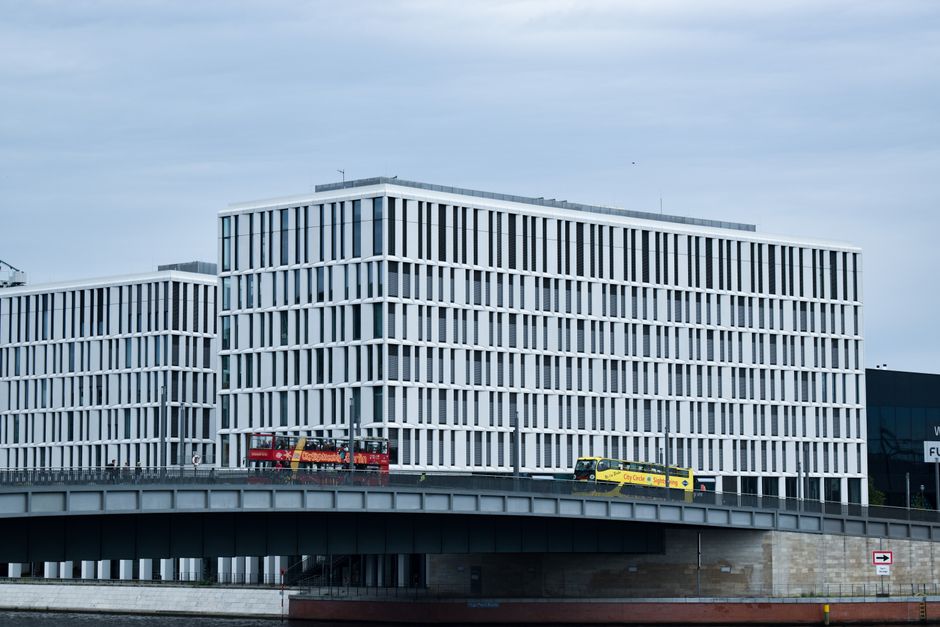
Berlin's labour market is sending mixed signals as we enter the second half of 2026. Employment figures released this month show the capital added roughly 12,000 jobs across all sectors in the first quarter, a modest 0.8% increase from the previous year—a slowdown compared to the post-pandemic surge that characterised 2022 and 2023.
The divergence is striking. While the tech sector in Kreuzberg and Mitte continues to attract venture capital—Berlin-based startups raised €480 million in the first half of this year—traditional manufacturing and logistics jobs have contracted by 3.2% since January. This reflects a broader global shift in investment flows away from industrial production toward digital innovation.
"Money is chasing software companies, not factories," explains Torsten Kühl, economics researcher at the Berlin Chamber of Commerce. Investment in the city's tech ecosystem remains robust, with major firms establishing engineering hubs along the Spree and renovated office spaces filling quickly around Friedrichshain's RAW-Gelände.
Yet average salaries tell another story. Entry-level positions in software development and data science now command €55,000–€65,000 annually—up 6% year-on-year—while skilled trades face a shortage driving wages higher. Construction workers and electricians, essential for the city's ongoing renewal projects, now earn 8% more than in 2024, reflecting genuine scarcity rather than competitive hiring.
The hospitality and retail sectors, which employ roughly 140,000 Berliners, remain under pressure. Post-inflationary consumer spending has settled, and businesses in Charlottenburg and around Alexanderplatz report operating margins tighter than 2023. Unemployment in these sectors has ticked upward to 5.1%, above the city average of 4.3%.
Foreign direct investment patterns matter here. Chinese and American venture funds now account for 34% of new capital flowing into Berlin companies—up from 28% two years ago. European investors remain important but cautious. This external funding is reshaping which neighbourhoods prosper: areas with digital infrastructure and educated workforces attract capital, while peripheral districts see fewer opportunities.
For job seekers and employers, the picture is clear: Berlin remains attractive to investors, but selectivity is increasing. Growth exists, but unevenly distributed. Those in emerging sectors benefit from rising wages and opportunity; those in older industries face headwinds. Understanding where money actually flows—not just where it's announced—remains essential for navigating the city's rapidly shifting employment landscape.
This article was compiled by AI from the sources linked above and screened before publishing. See our editorial standards.
How does this story make you feel?
Spread the word
About this article
Published by The Daily Berlin
Daily brief
Free, in your inbox before 7am. Weekdays.
More in Business