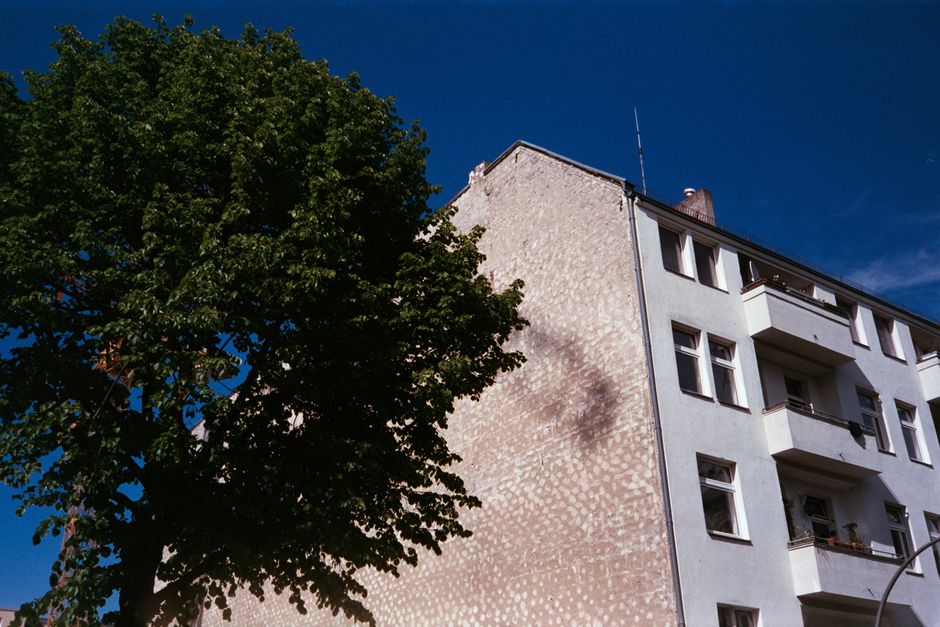
Köpenick's moment: How Berlin's forgotten southeast is becoming the city's hottest investment play
As prices in Mitte and Prenzlauer Berg plateau, savvy buyers are turning to the Spree-side district where apartments still offer value—and potential.
As prices in Mitte and Prenzlauer Berg plateau, savvy buyers are turning to the Spree-side district where apartments still offer value—and potential.
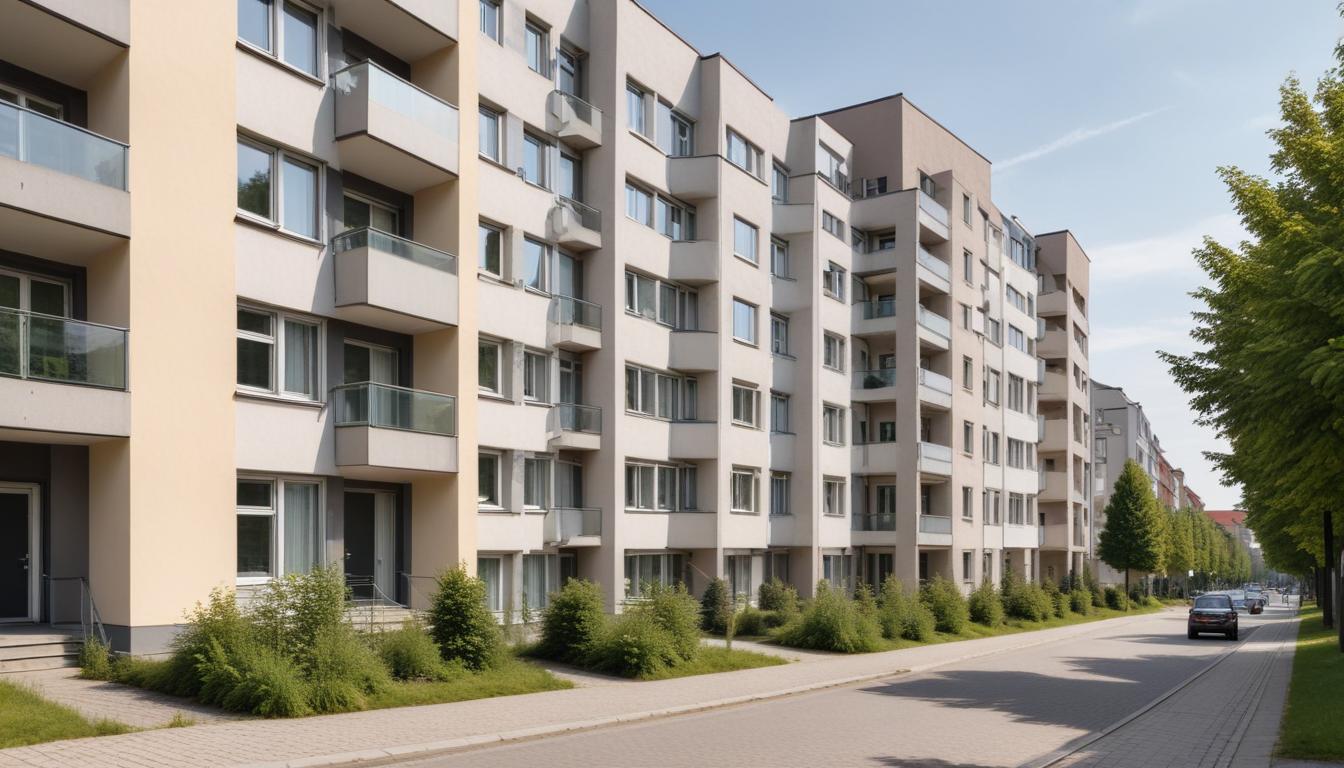
For years, Köpenick existed in Berlin's property consciousness as a afterthought: affordable, distant, industrial. Today, that narrative is shifting dramatically. The southeast district, once defined by its Soviet-era housing blocks and riverside isolation, has emerged as the city's most compelling investment opportunity—a place where €4,200 per square metre buys what would cost €7,000 in adjacent Friedrichshain.
The numbers tell the story. Over the past 18 months, apartment prices in Köpenick's core neighbourhoods have climbed roughly 12 percent, outpacing the broader Berlin market's 7 percent growth. A two-bedroom apartment on Köpenicker Straße, the district's main artery, now commands €580,000—a figure that would barely secure a studio in Prenzlauer Berg. Yet transaction volumes are surging: local property agents report a 34 percent year-on-year increase in inquiries, predominantly from younger professionals and small investors seeking entry-level assets with genuine upside.
Several factors explain the shift. First, infrastructure. The Köpenick Altstadt—the charming old town hugging the Spree's eastern bank—has undergone genuine renovation. The renovated Köpenicker Schloss gardens now host cultural events; the weekly markets along Alt-Köpenick pulse with life; independent cafés and galleries have colonised streets that were half-empty a decade ago. Second, connectivity. The extension of the M6 tram line and improved U-Bahn frequency have shortened commute times to central districts, making Köpenick viable for office workers who previously dismissed it outright.
The third factor is comparative value. With average Berlin prices holding at €5,500 per square metre, Köpenick's €4,200 represents genuine savings—but crucially, not a discount that suggests fundamental problems. The district lacks the cachet of Kreuzberg's countercultural cool or Charlottenburg's old-money prestige, but it increasingly offers what Berlin's property market has become scarce: genuine affordability paired with visible urban improvement.
Of course, risks remain. Köpenick is still geographically peripheral; its nightlife and cultural institutions cannot compete with inner-ring alternatives; and rising prices, while moderate by Berlin standards, have begun pricing out long-term residents. Yet for investors with a three-to-five-year horizon, the district represents an increasingly rare commodity in a city where entry-level opportunities have largely vanished.
The Köpenick moment may be brief. Once Berlin's property establishment fully recognises the district's potential, price appreciation will almost certainly accelerate—and the bargains will evaporate.
This article was compiled by AI from the sources linked above and screened before publishing. See our editorial standards.
How does this story make you feel?
Spread the word
About this article
Published by The Daily Berlin
Daily brief
Free, in your inbox before 7am. Weekdays.
More in Property