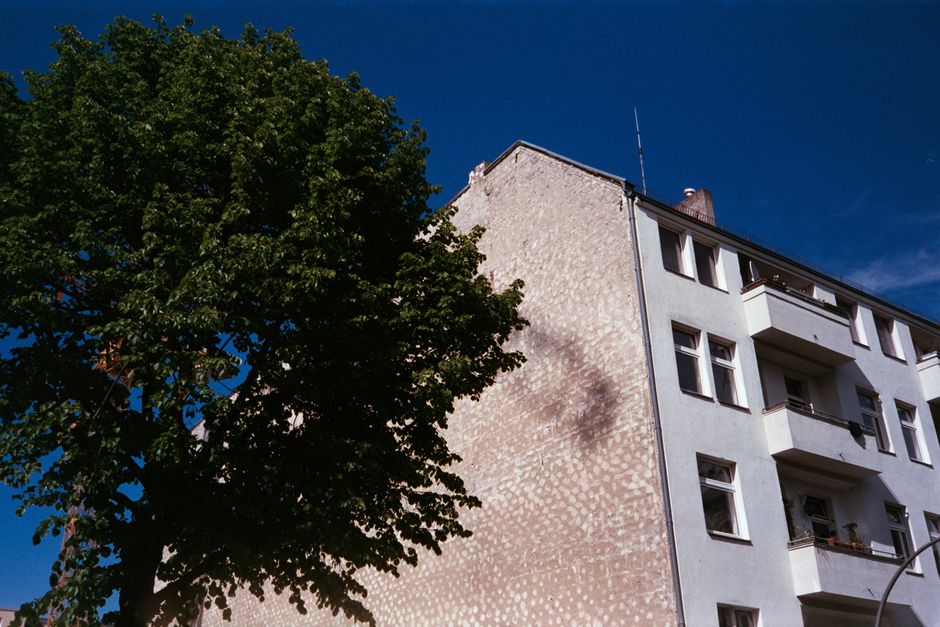
Charlottenburg-Wilmersdorf: Berlin's Quiet Luxury Awakening
West Berlin's established neighbourhood is quietly becoming the city's most compelling high-end property play, as international wealth rediscovers old-money charm over trendy credentials.
West Berlin's established neighbourhood is quietly becoming the city's most compelling high-end property play, as international wealth rediscovers old-money charm over trendy credentials.
While investors continue to chase Mitte's premium addresses and Friedrichshain-Kreuzberg's cool factor, a more subtle shift is reshaping Berlin's luxury property landscape. Charlottenburg-Wilmersdorf, long dismissed as staid and provincial by younger buyers, is experiencing a decisive revaluation—one that's catching serious money off-guard.
The numbers tell the story. Properties along Kantstrasse and around the Charlottenburg Palace precinct now command €7,200–€8,100 per square metre, a 34 percent climb from 2023 levels. A renovated Gründerzeit apartment on Savignyplatz recently sold for €3.8 million—the kind of transaction that would have seemed unthinkable five years ago in a neighbourhood many associated with pensioners and conservative aesthetics.
What's driving this repricing? Several factors converge. The neighbourhood's institutional anchors—the Technical University Berlin, the Museum Berggruen, the Charlottenburg Palace—have solidified its cultural credibility without the student-bar chaos of other academic hubs. Buyers seeking established infrastructure, excellent schools, and proximity to Tiergarten's green expanse are increasingly willing to trade Mitte's gallery-hopping scene for Wilmersdorf's quieter sophistication.
International demand is particularly pronounced. European and Middle Eastern purchasers cite political stability, tenure security, and Berlin's robust tenant-protection laws as attractions—paradoxically, the regulations that deter speculative flipping make the neighbourhood attractive to generational wealth-holders. A Qatari investment group recently acquired a portfolio of six period properties on Wielandstrasse for undisclosed but substantial sums.
The neighbourhood's transformation reflects broader market maturation. As Mitte prices approach €9,000 per square metre and Prenzlauer Berg consolidates its premium positioning, serious investors are recognising that Charlottenburg-Wilmersdorf offers better value-to-prestige ratios. The area's lack of hype, rather than a liability, becomes an asset: appreciation driven by fundamentals rather than trend cycles.
Yet this awakening remains selective. Spandauer Strasse and western sections around Siemensstadt remain cheaper, suggesting the repricing hasn't fully distributed. For property professionals, that's precisely the signal that Charlottenburg-Wilmersdorf's luxury moment is still in early innings—before international media consensus arrives and prices fully normalise.
The next two years will determine whether this is sustainable upside or temporary capital chasing remnants of value. Either way, the era of dismissing West Berlin's establishment neighbourhood as merely respectable is definitively over.
This article was compiled by AI from the sources linked above and screened before publishing. See our editorial standards.
How does this story make you feel?
Spread the word
About this article
Published by The Daily Berlin
Daily brief
Free, in your inbox before 7am. Weekdays.
More in Property