New developments reshape Berlin's yield landscape—here's what smart landlords need to know
As major projects transform Pankow and Friedrichshain, the calculus for rental returns is shifting faster than construction cranes.
As major projects transform Pankow and Friedrichshain, the calculus for rental returns is shifting faster than construction cranes.
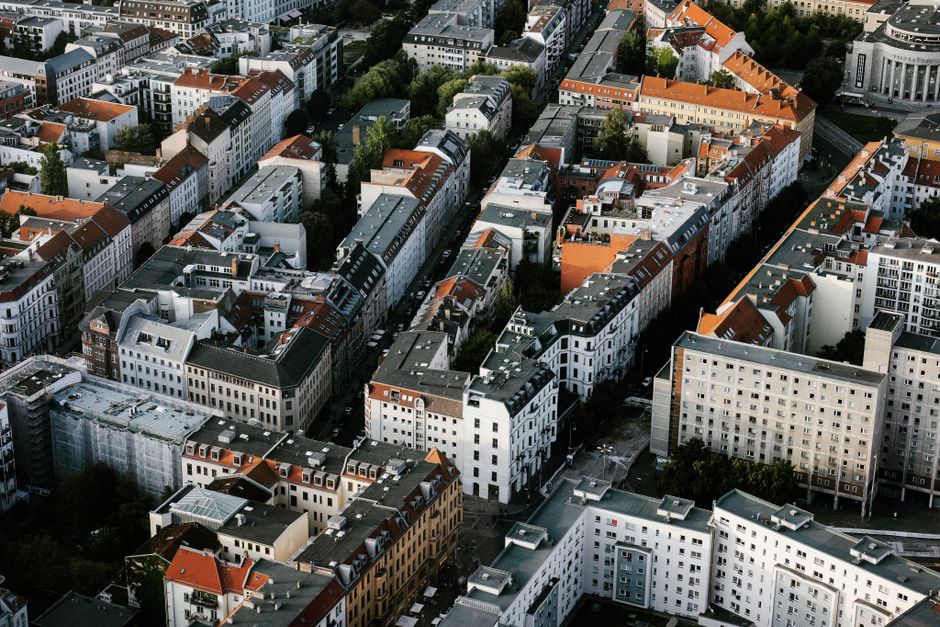
Berlin's property market has always rewarded early movers, but the current wave of new developments is rewriting the playbook for yield-focused investors. With the city averaging €5,500 per square metre and premium districts like Mitte pushing €8,000+, the question isn't whether to invest near major projects—it's where, and how quickly.
The transformation along the Rummelsburger Bucht in Friedrichshain offers a textbook case. Mixed-use developments reshaping this former industrial corridor have already lifted comparable rents from €12 to €16 per square metre in adjacent residential blocks over the past three years. For landlords holding property within walking distance of these sites, the yield equation has fundamentally changed. What once offered modest 3.5% gross returns now sits closer to 4.5%—significant in a market where capital appreciation has flattened.
Pankow's emergence as a growth district tells a similar story. The expansion of retail and office space around Kollwitzstraße and the continued densification of residential neighbourhoods have created a virtuous cycle. New residents require services; new services attract more residents. Landlords with existing stock in Prenzlauer Berg's neighbouring districts are capturing spillover demand at lower entry prices than premium zones, with gross yields regularly exceeding 4%.
But context matters enormously. Berlin's formidable tenant protections—including the controversial rent brake, though currently dormant—mean speculative positioning is high-risk. The city's Senat has signalled renewed interest in strengthening regulations, particularly around conversion of rental to owner-occupied units. This constrains exit strategies and demands that investors focus on sustainable, long-term yield rather than capital gains narratives.
Smart landlords are therefore watching three variables around new developments: connectivity (how projects improve transport links via S-Bahn extensions or tram expansions), demographic fit (do projects attract young professionals, families, or mixed cohorts?), and regulatory risk. The opening of new educational facilities or health services near a project signals genuine community anchoring, not speculative froth.
The unsexy reality: developments generate yields not through hype, but through genuine demand creation. A new office campus near Ostbahnhof or expanded student housing near TU campuses creates structural rental demand. Those buying adjacent residential stock are not gambling on appreciation—they're capturing the reliable uptick in occupancy rates and rental resilience that follows.
For Berlin investors accustomed to double-digit annual appreciation, this recalibration feels modest. But in a tightening regulatory environment, a steady 4.5% yield from a well-positioned asset near genuine infrastructure investment is increasingly the story that matters.
This article was compiled by AI from the sources linked above and screened before publishing. See our editorial standards.
How does this story make you feel?
Spread the word
About this article
Published by The Daily Berlin
Daily brief
Free, in your inbox before 7am. Weekdays.
More in Property