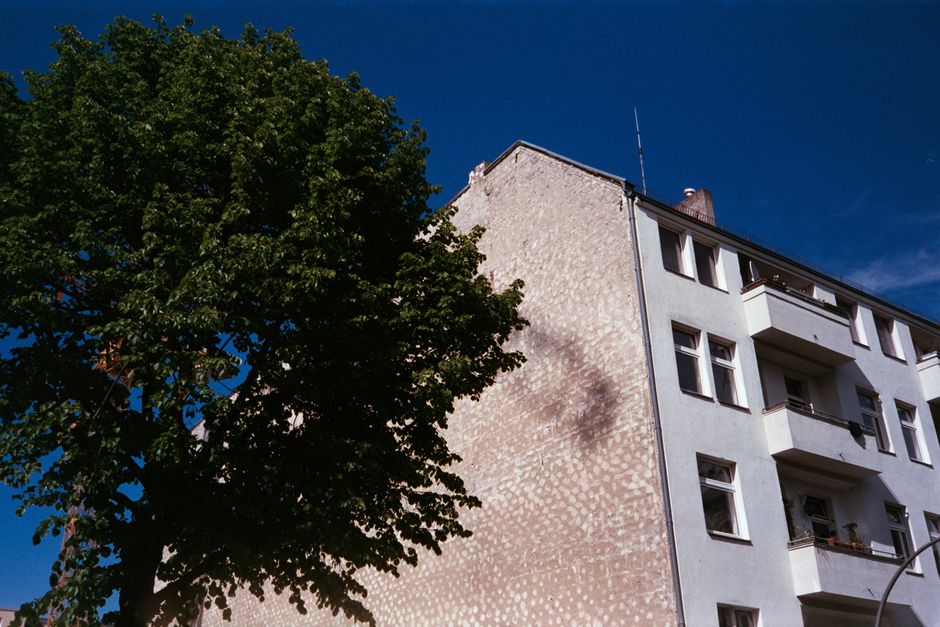
For years, Lichtenberg lingered in Berlin's property consciousness as a punchline—distant, industrial, overlooked. Today, it's quietly becoming the city's most pragmatic destination for first-home buyers navigating the intersection of affordability, grant accessibility, and genuine neighbourhood transformation.
The numbers tell the story. While Mitte commands €7,200 per square metre and even Pankow has climbed to €6,100, Lichtenberg still hovers around €3,800—a 30% discount to the city average that fundamentally changes the calculus for buyers relying on KfW grants and state assistance schemes. For a first-timer with a €40,000 KfW Development Bank subsidy, that spread represents genuine purchasing power in neighbourhoods like Friedrichsfelde or along the Rummelsburger Bucht waterfront.
What's shifted is infrastructure. The revitalisation of RAW-Gelände—the former railway repair yards turned cultural and events space—has become a genuine drawcard. Venues like Kesselhaus and the expanding food market at Warschauer Straße have created weekend gravity that didn't exist five years ago. Meanwhile, the Köpenicker Straße corridor, stretching from Friedrichshain into Lichtenberg, now reads less as a border and more as a continuous cultural spine.
The Stadtentwicklung Berlin (city development authority) has quietly upgraded Lichtenberg's infrastructure investment, particularly around U-Bahn extensions and the planned Rummelsburger Bucht waterfront development. Schools including Schule an der Rummelsburger Bucht have undergone substantial renovation, making family-oriented first-time buyers—typically the KfW grant demographic—increasingly confident about long-term prospects.
For prospective buyers, the grant pathways matter. KfW's Wohneigentum für Familien scheme remains generous for incomes under €90,000 household, and Lichtenberg's price point means buyers can access 100% financing with subsidy support across a genuine range of stock, not just the basement-level compromises other areas demand.
The rental protection landscape—Berlin's tenant-favouring legislation—applies uniformly, but Lichtenberg's emerging owner-occupier culture means less direct investor competition for residential stock. That matters for buyers unwilling to compete against institutional capital.
Smart money hasn't abandoned Friedrichshain or Pankow. But for the genuinely budget-conscious first-buyer—particularly those with children and KfW eligibility—Lichtenberg's combination of subsidy-friendly pricing, rising cultural credibility, and authentic infrastructure improvement has created a rare Berlin sweet spot. The question isn't whether Lichtenberg is changing. It's whether first-time buyers will price themselves out before they notice.
This article was compiled by AI from the sources linked above and screened before publishing. See our editorial standards.