While international investors have long fixated on Berlin's central districts, a quiet shift is reshaping the city's luxury property landscape. Charlottenburg-Wilmersdorf, particularly the neighbourhoods around Charlottenburg Palace and along the Spree's western reaches, has begun commanding price premiums that rival—and sometimes exceed—the established prestige zones of Mitte and Prenzlauer Berg.
Properties in prime Charlottenburg locations now trade at EUR 7,200–8,500 per square metre, a substantial jump from the city-wide average of EUR 5,500/sqm. Recent transactions along Spandauer Damm and in the villa-lined streets near the palace park have seen asking prices edge toward EUR 9,000/sqm for meticulously renovated period properties. This represents a 15–20 per cent appreciation over the past two years, outpacing broader market trends.
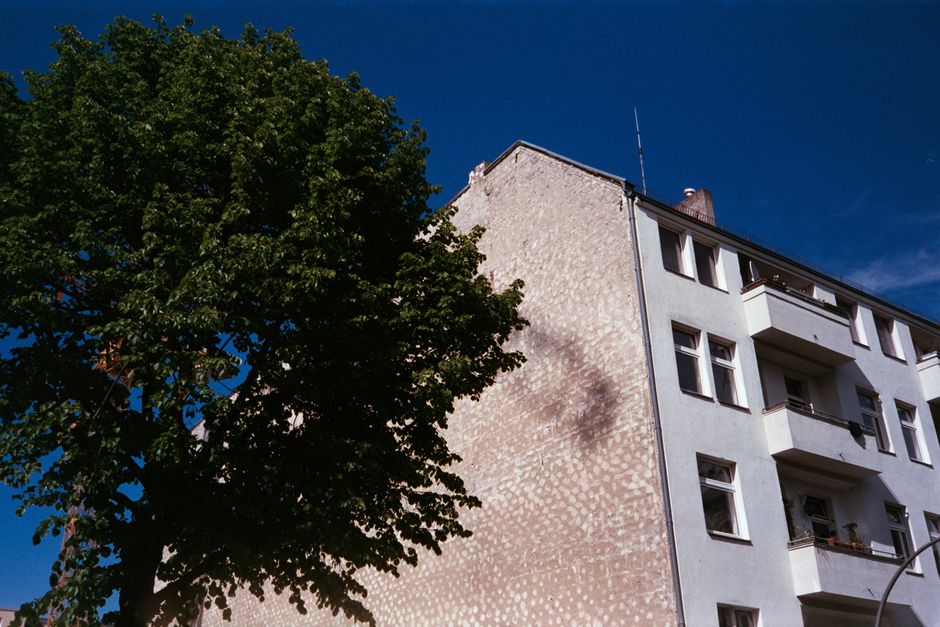
The drivers are unmistakable. Charlottenburg offers what Mitte increasingly cannot: space, heritage grandeur, and genuine tranquillity. The neighbourhood's Wilhelmine villas, Belle Époque apartment buildings, and tree-lined boulevards attract established wealth seeking escape from the density and student-bar culture that now define central Berlin. The proximity to cultural institutions—the Charlottenburg Palace itself, the Egyptian Museum, and the Berggruen Collection—adds institutional weight absent from trendier quarters.
Infrastructure bolstered this shift. The U7 U-Bahn line's recent upgrades and improved S-Bahn connectivity have reduced commute friction without attracting the speculative frenzy that gentrification elsewhere has triggered. Unlike Friedrichshain-Kreuzberg's volatile demographics or Pankow's student-driven churn, Charlottenburg has retained residential stability—crucial for high-net-worth purchasers seeking stable asset preservation.
Developer activity signals confidence. Mid-market conversion projects along Richard-Wagner-Strasse and selective new-build insertions near the Landwehr Canal indicate institutional capital repositioning. Private equity and family offices, traditionally concentrated in trophy addresses like Grunewald and Dahlem, now view Charlottenburg as offering comparable prestige at lower entry points.
Tenant protections remain stringent across Berlin, but Charlottenburg's owner-occupancy rates are notably higher than inner-city alternatives—another draw for investors prioritising long-term stability over speculative rental yield. For those accustomed to paying premium prices in saturated central markets, Charlottenburg represents rational value: authentic Prussian character, institutional cultural weight, and appreciating fundamentals, without Mitte's tourist saturation or Kreuzberg's residential uncertainty. The West End's moment, it seems, has finally arrived.
This article was compiled by AI from the sources linked above and screened before publishing. See our editorial standards.