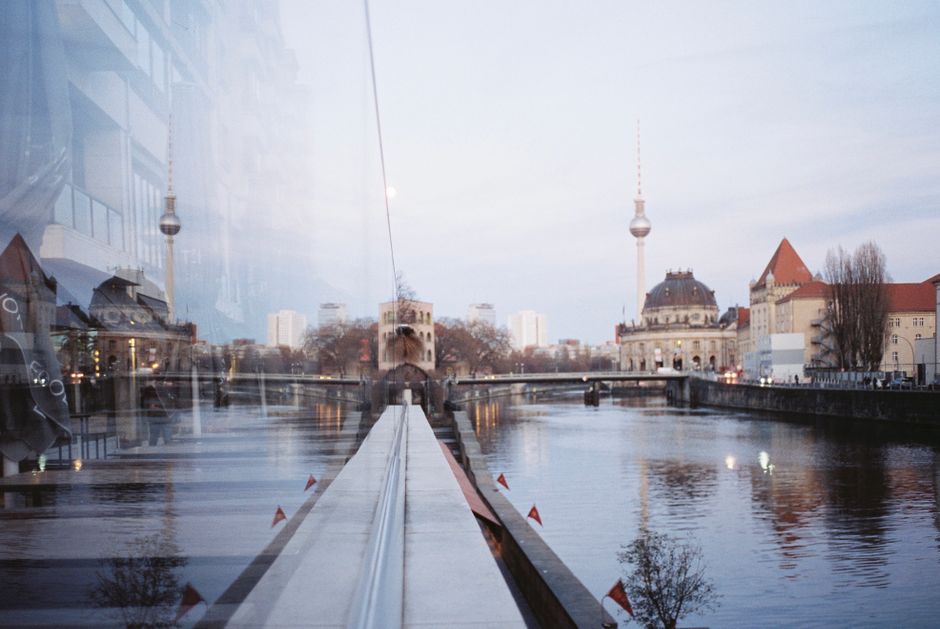
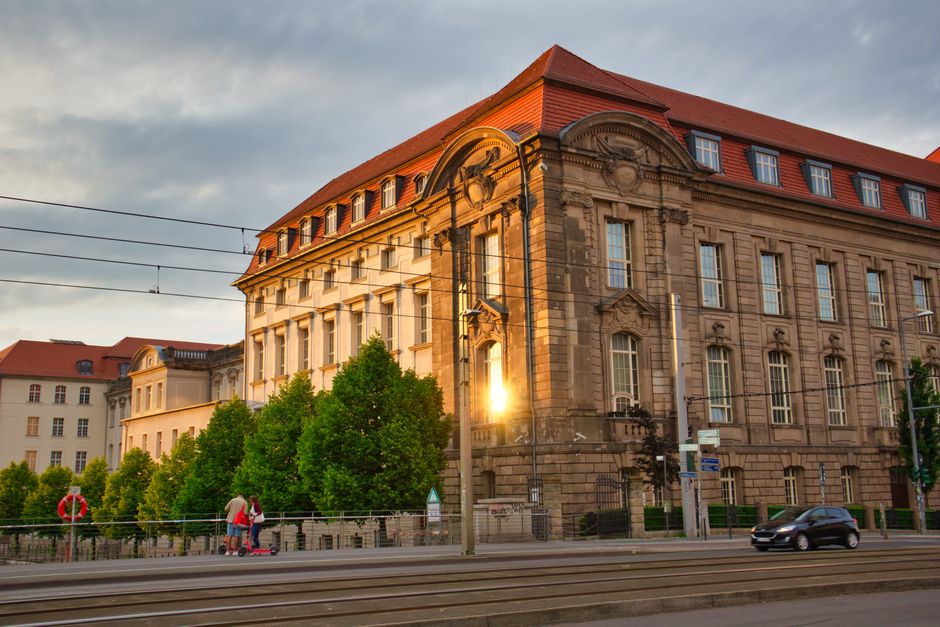
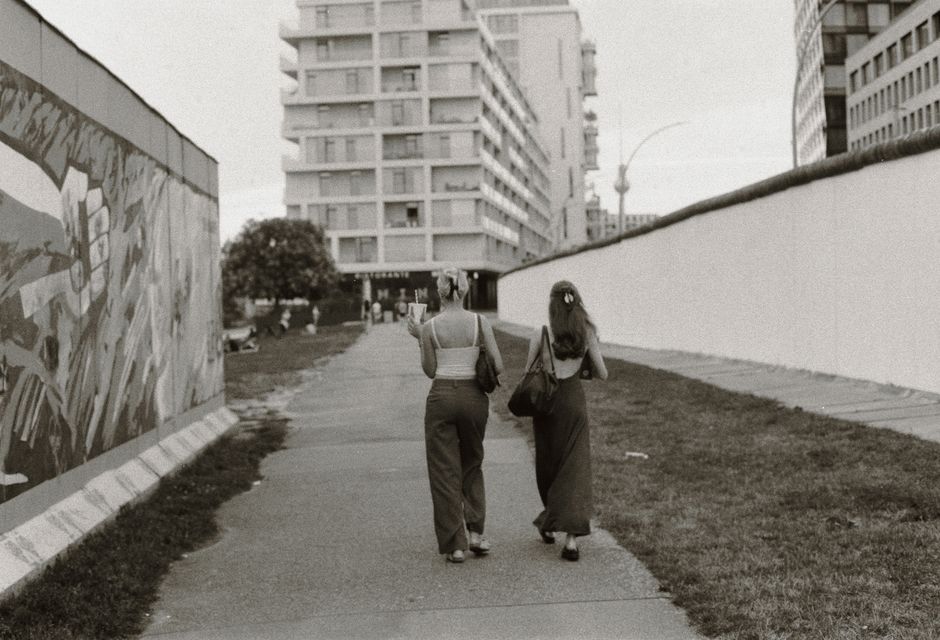
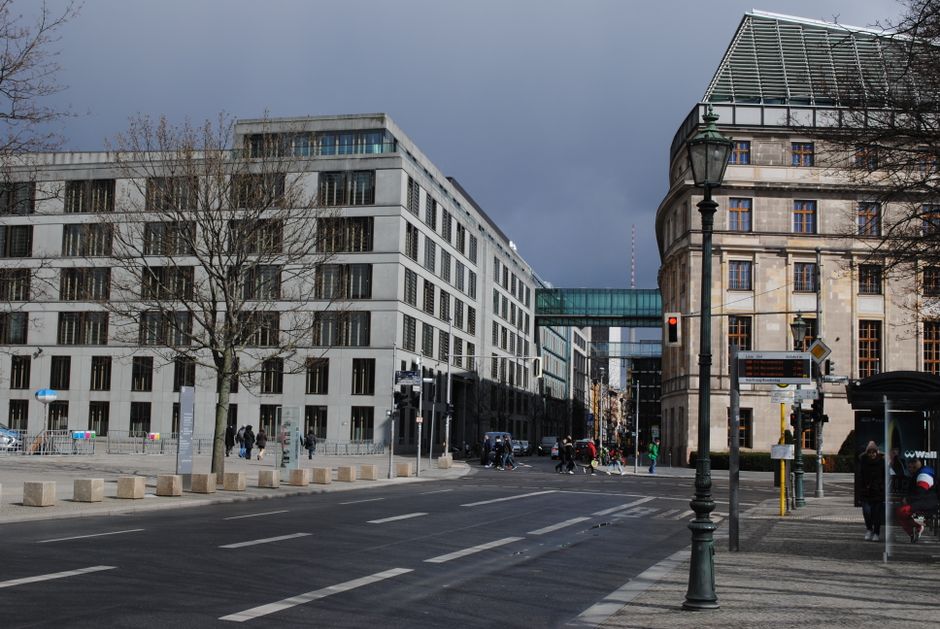
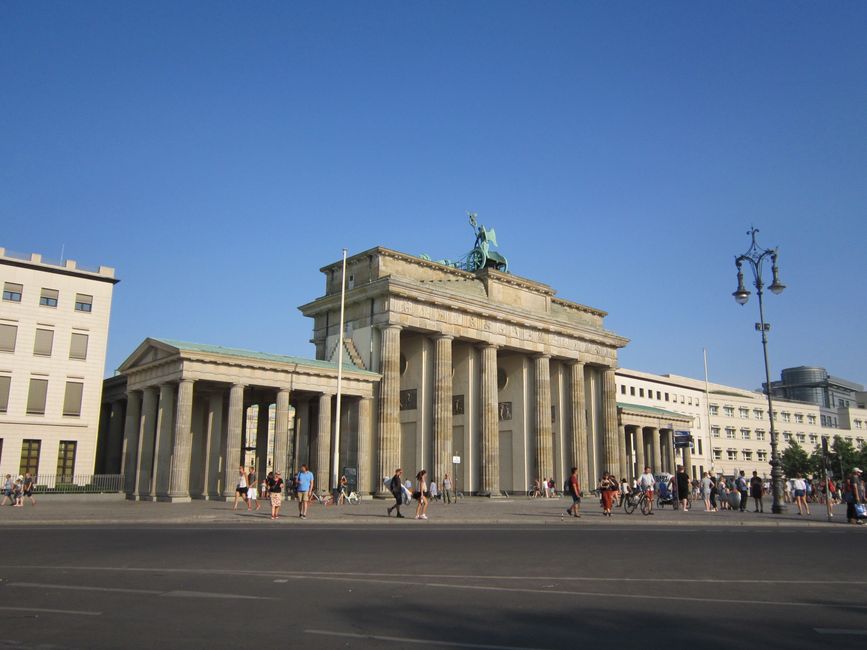
From Cold War bunkers to immigrant neighbourhoods reshaping the city's identity, discover how Berliners are reclaiming and celebrating their layered past.
As the city hosts over 2,000 cultural events this season, venues from Kreuzberg to Charlottenburg are cementing Berlin's identity as Europe's most experimental artistic hub.
As the city council reconvenes after the recess, decisions on housing density, transport expansion and Tegel's future redevelopment will define Berlin's next decade.
From Kreuzberg to Köpenick, grassroots sports organisations are turning modest stadiums into thriving social hubs that bind diverse communities together.
With venture capital drying up for speculative models, Kreuzberg and Mitte founders are doubling down on niche solutions—and abandoning the gold-rush mentality of 2024.
With funding cycles shifting and corporate interest intensifying, the city's innovation hubs are doubling down on artificial intelligence while traditional venture capital takes a cautious step back.
The German capital is moving beyond pilot phases into deployment, with mobility hubs, energy grids, and civic platforms set to reshape daily life across the city's districts.
As housing shortages and social tensions mount, city leaders and researchers are calling for urgent policy shifts to manage Berlin's rapid demographic changes.
As global financial innovation accelerates, the German capital's blend of regulatory pragmatism, affordable talent, and post-Cold War independence is reshaping how the world thinks about digital banking.
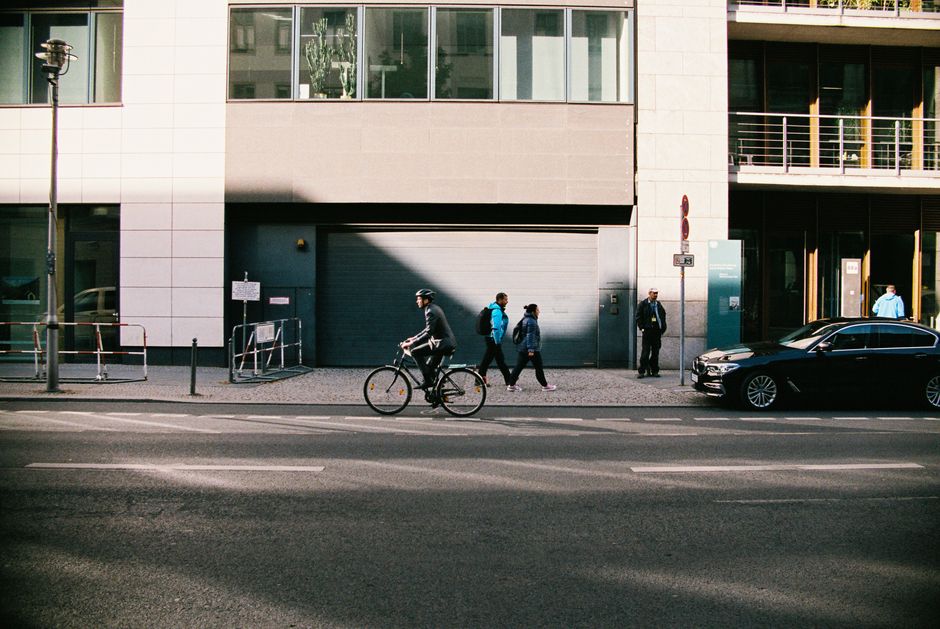
From affordable tickets to car-free neighbourhoods, Berlin has cracked the code on urban mobility in ways that New York, London, and Tokyo are still chasing.