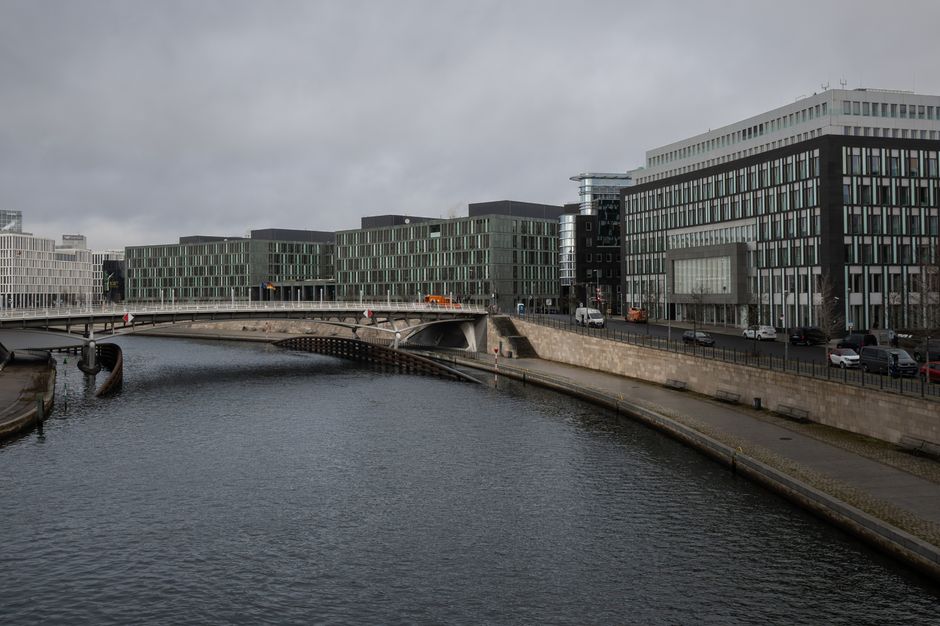
As commercial landlords scramble to adapt tired Mitte and Kreuzberg properties, a wave of entrepreneurs is seizing the chance to open affordable spa and wellness centres in spaces that were once dead weight.
Rising labour costs and changing customer behaviours are reshaping the capital's food and retail landscape, forcing operators to rethink pricing and service models.
As visitor numbers surge post-pandemic, a new breed of entrepreneurs along Kreuzberg's RAW-Gelände and beyond are capturing untapped demand with boutique hotels, experience-led ventures, and hyperlocal services.
As geopolitical tensions reshape global supply chains, companies across the German capital are recalibrating strategies—and finding unexpected opportunities in shifting trade flows.
As investment capital flows shift away from tech hubs, Berlin's employment landscape reveals deeper structural changes that businesses and policymakers must understand.
Political turmoil from Washington to Tehran is forcing multinational firms to rethink their European headquarters strategy—with direct consequences for Mitte, Kreuzberg, and beyond.
As innovation districts expand from Kreuzberg to Prenzlauer Berg, tech talent is commanding premium salaries while traditional sectors struggle to compete for skilled workers.
Hotels, restaurants and attractions across the capital face a perfect storm of reduced international bookings, rising operational costs and heightened security measures that threaten a sector vital to the city's economic health.
Geopolitical tensions in the Middle East and Africa are driving up ingredient costs across the city's hospitality sector, forcing venues from Kreuzberg to Charlottenburg to rethink menus and margins.
A former engineer's bootstrapped startup in the heart of Berlin's innovation district is proving that sustainable technology doesn't need Silicon Valley backing.
As office vacancy rates hit 8.2% across the capital, one entrepreneur is transforming industrial warehouses into flexible workspaces that are reshaping how companies think about real estate.
As capital flight and geopolitical tension reshape international markets, Berlin's business leaders are learning to decode the signals that matter most.
After years of explosive growth, Germany's capital is grappling with slowing hiring, shrinking startup funding, and a wage-cost squeeze that threatens its status as Europe's innovation hub.
As multinational firms reroute operations away from geopolitical hotspots, Berlin-based logistics and software firms are racing to capture a surge in European reshoring demand.